
The Quilters (2024)
Story overview
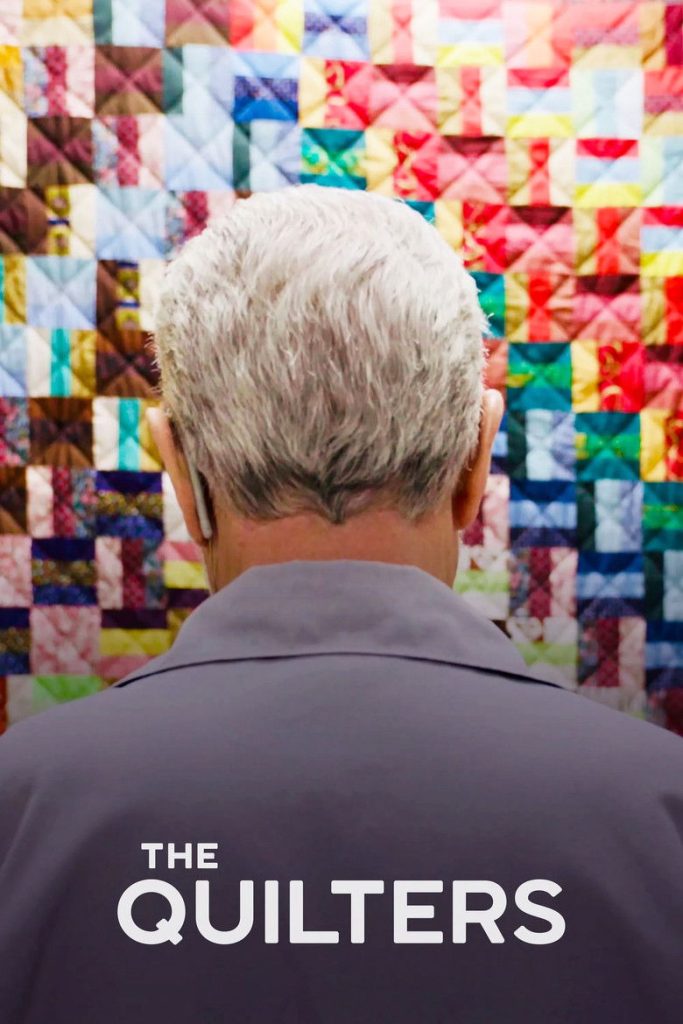
This 2024 documentary provides an intimate look at incarcerated men at a maximum-security prison who find purpose and pride through quilting. The film follows their creative process from design to completion, revealing personal struggles and triumphs within the prison's sewing room.
Parent Guide
A thoughtful documentary about incarcerated men finding purpose through quilting. While visually calm, it deals with mature themes of crime, punishment, and redemption that require emotional maturity to process.
Content breakdown
No violent scenes shown, but the men discuss past crimes and violent acts that led to their incarceration. The maximum-security prison setting implies serious offenses.
The prison environment might feel intimidating to sensitive viewers. Discussions of past mistakes and incarceration could be emotionally heavy for younger children.
Occasional mild language consistent with the TV-14 rating. No strong profanity noted in the description.
No sexual content or nudity present in this documentary about quilting in prison.
No depiction or discussion of substance use mentioned in the film description.
Emotionally complex as men discuss their pasts, regrets, and hopes for redemption. The contrast between their crimes and their creative work creates thoughtful tension.
Parent tips
This documentary explores mature themes of incarceration and redemption through a creative lens. While visually gentle, it deals with serious subject matter that may require context for younger viewers. The prison setting and discussions of past mistakes make this more suitable for older children who can understand complex social issues.
Parent chat guide
Parent follow-up questions
—
- What did you notice about the quilts the men made?
- How do you think making something beautiful made the men feel?
- Why do you think the prison offers quilting classes?
- What did you learn about the men's lives before prison?
- How does creating art help people express themselves?
- What does this documentary reveal about the American prison system?
- How does the quilting program challenge stereotypes about incarcerated individuals?
- What role does creative expression play in rehabilitation?
🎭 Story Kernel
The Quilters explores the profound psychological and social transformation of men incarcerated at the South Central Correctional Center in Missouri. At its core, the film is an examination of restorative justice and the human capacity for change. By participating in a quilting program, these men—many serving life sentences—engage in a meticulous craft that demands patience, vulnerability, and a departure from the hyper-masculine posturing typical of prison life. The movie expresses the idea that creativity is a form of penance and healing, allowing the men to contribute something beautiful and tangible to a world they once took from. It highlights the irony that within the most restrictive environments, individuals can find a sense of freedom and purpose through the act of creating for others, particularly foster children and veterans, effectively stitching together their own fragmented identities.
🎬 Visual Aesthetics
Jenifer McShane utilizes a stark visual contrast to drive the film’s emotional weight. The cinematography juxtaposes the oppressive, monochromatic architecture of the maximum-security facility—characterized by steel bars, concrete walls, and fluorescent lighting—with the explosive, kaleidoscopic colors of the fabric. Close-up shots of calloused, tattooed hands delicately maneuvering needles and thread serve as a powerful metaphor for the softening of hardened spirits. The camera often lingers on the intricate geometric patterns of the quilts, which symbolize the complex, fragmented lives of the men being pieced back together. This observational style avoids sensationalism, instead favoring a quiet, intimate gaze that captures the meditative silence of the quilting room, transforming a sterile institutional space into a sanctuary of focused, artistic labor and communal reflection that stands in opposition to the prison’s inherent rigidity.
🔍 Details & Easter Eggs
💡 Behind the Scenes
Director Jenifer McShane is a veteran documentarian with a career-long commitment to exploring the human stories within the American carceral system. Following her previous works like Mothers of Bedford, which focused on incarcerated women, The Quilters represents a thematic continuation of her interest in rehabilitation and restorative justice. The film was shot over several years at the South Central Correctional Center in Licking, Missouri, allowing McShane to build deep trust with the subjects. It has been featured at prestigious festivals such as Mountainfilm and the Heartland International Film Festival, receiving acclaim for its sensitive, non-judgmental portrayal.
Where to watch
Choose region:
- Netflix
- Netflix Standard with Ads
Trailer
Trailer playback is unavailable in your region.