
The Resistance Banker (2018)
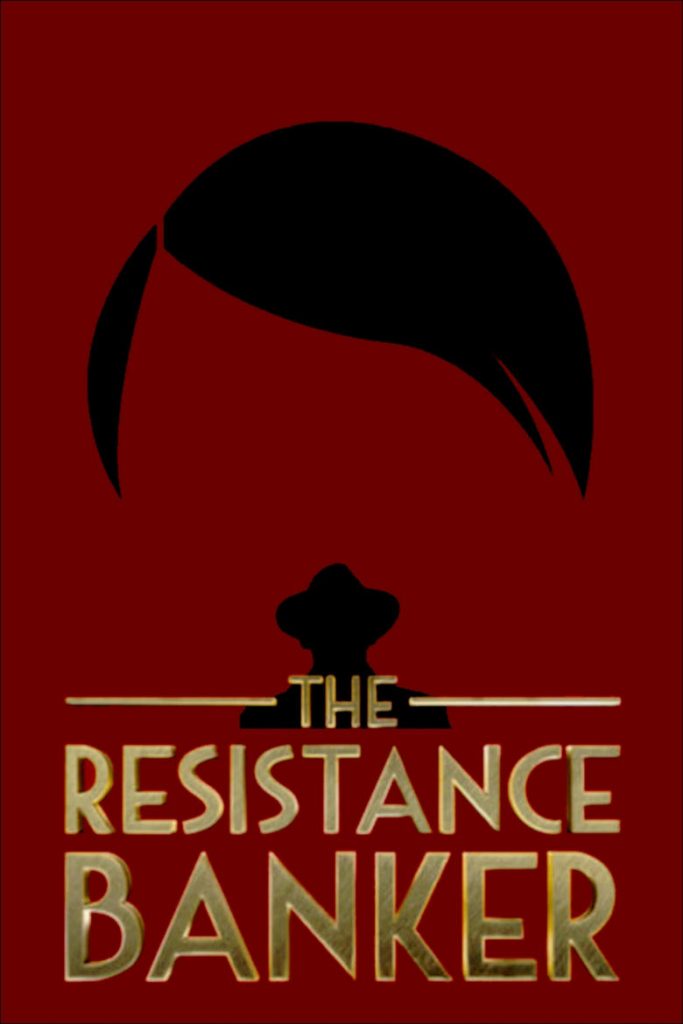
Story overview
Based on a true story, this Dutch war drama follows banker Walraven van Hall and his brother Gijs during the Nazi occupation of the Netherlands in World War II. When approached by the Dutch resistance, they devise a daring financial scheme to secretly fund resistance activities by taking out massive loans through their banking connections. The film portrays their high-stakes efforts to support the underground movement while evading German detection, highlighting themes of courage, sacrifice, and moral responsibility during wartime.
Parent Guide
A tense historical drama about financial resistance during WWII with minimal graphic content but mature themes. Suitable for mature middle schoolers and up who can handle wartime tension and understand historical context.
Content breakdown
Implied violence and threats rather than graphic depictions. Characters face constant danger of arrest, interrogation, or execution by Nazis. Tense scenes of raids, searches, and near-captures. Some brief scenes of violence (people being taken away, implied executions) but not graphically shown.
High tension throughout as characters risk their lives. Themes of oppression, occupation, and the constant threat of discovery create sustained anxiety. Scenes of Nazi authority and control may be unsettling. The weight of moral decisions and potential consequences adds emotional intensity.
Minimal strong language. Some wartime-era expressions and tension-driven exchanges. The film is in Dutch with English subtitles.
No sexual content or nudity. The focus is entirely on the resistance activities and financial operations.
Period-appropriate social drinking (wine, spirits) in some scenes. Characters may smoke cigarettes, consistent with 1940s settings. No substance abuse depicted.
High-stakes tension throughout as characters risk everything. Themes of sacrifice, moral courage, and the weight of responsibility during wartime. Emotional moments of family concern, fear of discovery, and the pressure of their secret mission. The historical reality adds gravity to the narrative.
Parent tips
This historical drama deals with mature wartime themes but contains minimal graphic content. Best for older children and teens who can understand the historical context. The tension comes from the constant threat of discovery by the Nazis rather than explicit violence. Parents may want to discuss the real-life bravery shown and the ethical dilemmas of resistance during occupation. The film is in Dutch with subtitles, which may challenge younger viewers.
Parent chat guide
Parent follow-up questions
—
- What did the brothers do to help people?
- Why were the soldiers looking for them?
- What does 'resistance' mean?
- Why was it so dangerous for the brothers to help the resistance?
- How did they use banking to help without getting caught?
- What would you have done if you were in their position?
- What ethical dilemmas did the brothers face in their work?
- How does the film portray the tension between following rules and doing what's right?
- What does this true story reveal about resistance during occupation?
- How did their financial expertise become a weapon against oppression?
🎭 Story Kernel
At its core, 'The Resistance Banker' explores the profound tension between institutional order and moral chaos during wartime. The film isn't about robbing banks but weaponizing their very systems—ledgers, transfers, trust—against their creators. Walraven van Hall's transformation from financier to revolutionary demonstrates how oppression can turn the most conventional tools into instruments of rebellion. His internal conflict isn't with Nazis but with his own conscience, weighing the cold mathematics of finance against the warm, messy calculus of human lives. The movie suggests that sometimes the most radical act isn't destruction but redirection—hijacking the enemy's machinery to save what they seek to destroy.
🎬 Visual Aesthetics
The cinematography employs a restrained, almost clinical aesthetic that mirrors the banking world—clean lines, muted browns and grays, precise compositions. This visual order gradually fractures as the resistance activities intensify, with handheld shots increasing during tense sequences. The color palette deliberately avoids dramatic contrasts, reflecting how resistance work blends into everyday life. Symbolically, close-ups on documents, stamps, and ledger entries transform bureaucratic objects into narrative drivers. The camera often observes through windows and doorways, visually reinforcing the constant surveillance and compartmentalization of the resistance network.
🔍 Details & Easter Eggs
💡 Behind the Scenes
The film is based on the true story of banker Walraven van Hall, who financed the Dutch resistance during WWII. Actor Barry Atsma prepared by studying van Hall's personal letters and visiting the actual bank locations. Many scenes were filmed at authentic period locations in the Netherlands, including the Dutch National Bank building. Director Joram Lürsen intentionally avoided glamorizing the resistance, instead focusing on the bureaucratic reality of their work. The production consulted with historians to accurately recreate the complex financial mechanisms used to funnel millions to resistance activities.
Where to watch
Choose region:
- Netflix
- Netflix Standard with Ads
Trailer
Trailer playback is unavailable in your region.