The Revenant (2015)
Story overview
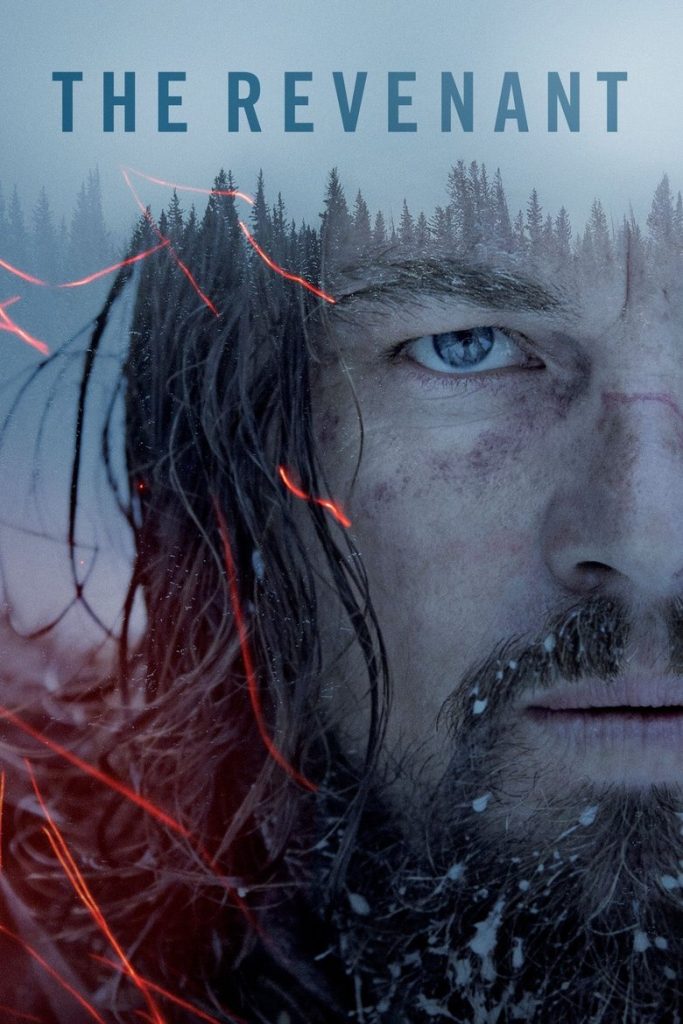
The Revenant is a 2015 Western drama adventure film directed by Alejandro G. Iñárritu, starring Leonardo DiCaprio, Tom Hardy, Domhnall Gleeson, Will Poulter, and Forrest Goodluck. Set in the 1820s, it follows frontiersman Hugh Glass, who is brutally mauled by a bear and left for dead by his companions. The film chronicles his harrowing survival journey through the wilderness as he seeks vengeance against those who betrayed him. The story explores themes of resilience, revenge, and the raw brutality of nature and human conflict.
Parent Guide
The Revenant is a visually stunning but intensely violent and emotionally demanding film. It depicts brutal survival scenarios, graphic injuries, and moral conflicts in a harsh historical setting. Recommended for mature teens and adults due to its strong content.
Content breakdown
Frequent and graphic violence including a prolonged, realistic bear mauling with blood and injuries, shootings, stabbings, scalping, and hand-to-hand combat. Characters are shown in extreme peril from nature and human threats. Scenes are intense and may be disturbing.
Disturbing images of severe injuries, animal attacks, and death. The survival struggle in freezing conditions and isolation creates a tense, unsettling atmosphere. Themes of betrayal and vengeance add emotional weight.
Includes some strong language such as 'f**k' and other profanities, used in moments of stress or conflict. Not excessive but present in dialogue.
Brief, non-sexual nudity in a survival context, such as a character's back shown while treating wounds. No sexual scenes.
Characters are shown drinking alcohol in social or survival situations. No depiction of drug use.
High emotional intensity due to themes of loss, betrayal, and relentless survival challenges. The film's pacing and cinematography create a visceral, immersive experience that can be overwhelming for sensitive viewers.
Parent tips
This film is rated R for strong frontier violence, disturbing images, language, and brief nudity. It features intense, graphic scenes including a prolonged bear attack, bloody injuries, and violent confrontations. The survival story is emotionally heavy and may be too intense for younger viewers. Parents should consider the film's mature content and their child's sensitivity to violence and peril before viewing.
Parent chat guide
Parent follow-up questions
—
—
- What parts of the movie made you feel scared or worried?
- Why do you think Hugh Glass wanted revenge?
- How did the characters show bravery in the wilderness?
- How does the film portray the morality of revenge versus survival?
- What historical aspects of the 1820s frontier does the movie highlight?
- Discuss the cinematography and how it enhances the story's intensity.
- How do the themes of betrayal and resilience relate to modern life?
🎭 Story Kernel
The Revenant isn’t about vengeance—it’s about the slow, agonizing unravelling of ego as nature reasserts its absolute sovereignty. Hugh Glass’s crawl isn’t a path toward payback but a forced descent into pre-linguistic being: stripped of language (he barely speaks), tools, tribe, and even coherent memory, he becomes pure physiology—pulse, breath, wound, instinct. Fitzgerald’s betrayal isn’t the moral pivot; it’s merely the catalyst that exposes the fragility of colonial narratives of mastery. The film relentlessly undermines the Western mythos: Glass doesn’t triumph over wilderness—he endures *because* wilderness permits no triumph, only temporary reprieve. His final choice to spare Fitzgerald isn’t redemption or grace—it’s exhaustion masquerading as mercy, the quiet collapse of the revenge imperative when the body remembers it was never built for hatred, only heat, shelter, and forward motion.
🎬 Visual Aesthetics
Iñárritu and Lubezki reject cinematic comfort entirely: natural light only, no artificial sources—even interior scenes burn with firelight or dawn’s thin blue. The camera clings to Glass like a second skin, using long takes not for showmanship but phenomenological immersion: we feel the mud’s suction, the weight of snow-laden branches, the disorientation of concussion. Framing is deliberately oppressive—horizons are often cut off, trees crowd the frame, and wide shots emphasize human scale as infinitesimal against glacial time. Color desaturates to bone-white, iron-gray, and bruise-purple; warmth appears only in firelight or blood—never in landscape. This isn’t realism; it’s somatic realism: vision as tactile experience, where every lens flare feels like retinal burn and every shaky pan mimics the tremor of hypothermia.
🔍 Details & Easter Eggs
💡 Behind the Scenes
Filming spanned nine months across three countries (Canada, Argentina, and the US), with crews relocating 37 times to chase natural light—often shooting only 90 minutes per day during winter. Leonardo DiCaprio endured sub-zero temperatures for 15 hours straight, once lying half-submerged in icy river water for nine takes while shivering uncontrollably; he later contracted dysentery and pneumonia. Tom Hardy performed most of his own stunts despite breaking ribs early on. The iconic bear attack took over a month to choreograph and shoot, using a mix of animatronics, CGI, and a trained grizzly named Bart—but the final sequence digitally erased all visible harnesses and safety rigs, creating the illusion of raw, unmediated violence. Crucially, the film used zero green screen: every landscape is real, including the 'bear cave'—a natural limestone fissure in Alberta’s Spray Valley.
Where to watch
Choose region:
- Peacock Premium
- Peacock Premium Plus
- Amazon Video
- Apple TV Store
- Google Play Movies
- YouTube
- Fandango At Home
Trailer
Trailer playback is unavailable in your region.