
The Rosa Parks Story (2002)
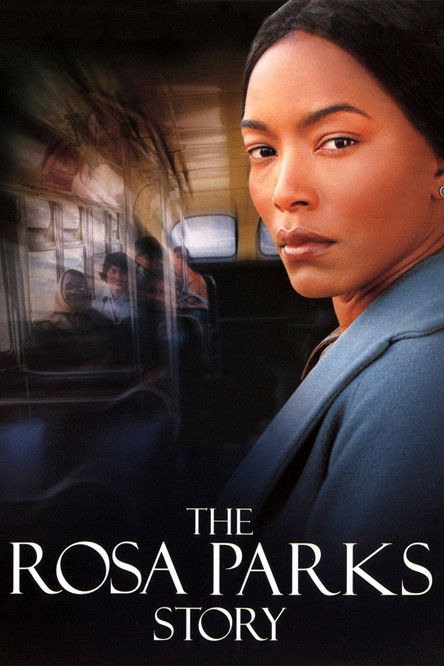
Story overview
The Rosa Parks Story is a 2002 television movie that dramatizes the life of civil rights activist Rosa Parks. It focuses on her pivotal act of defiance in 1955 when she refused to give up her bus seat to a white passenger in Montgomery, Alabama. The film explores the personal and historical context of her decision and its role in sparking the Montgomery Bus Boycott. As a biographical drama, it portrays themes of racial injustice, courage, and social change in mid-20th century America.
Parent Guide
A historically based drama about Rosa Parks and the civil rights movement, suitable for family viewing with guidance due to themes of racial injustice.
Content breakdown
Non-violent but includes tense situations related to racial discrimination and arrest scenes.
Themes of segregation and injustice may be unsettling for sensitive viewers, but no graphic or frightening imagery.
No strong or offensive language noted.
No sexual content or nudity.
No depiction of substance use.
Emotional scenes related to discrimination and social struggle, handled in a dramatic but non-graphic way.
Parent tips
This film is suitable for children ages 8 and up, with parental guidance recommended for younger viewers. It deals with historical racial segregation and discrimination, which may require context for children unfamiliar with this period. The TV-PG rating indicates mild thematic elements, but there are no graphic scenes of violence, strong language, or sexual content. Parents should be prepared to discuss the civil rights movement and its significance, as the movie presents important but potentially challenging topics about injustice and resistance.
Consider watching together to provide support and answer questions, especially for sensitive viewers. The film's portrayal of systemic racism and tense situations, while not violent, could be emotionally impactful. It offers valuable educational opportunities about American history and social justice, making it a good choice for family viewing with thoughtful conversation afterward.
Parent chat guide
Encourage empathy by discussing how the characters might have felt in discriminatory situations. Relate the story to modern issues of equality if appropriate for your child's age. Keep conversations open-ended and reassuring, emphasizing that the film shows past injustices that people worked to overcome. This approach helps children process the content positively and learn from it.
Parent follow-up questions
- What did Rosa Parks do on the bus?
- How did people help each other in the movie?
- What does it mean to be fair to everyone?
- Why was it important for Rosa Parks to stay in her seat?
- How did the bus boycott change things?
- What can we learn from how people worked together?
- What challenges did Rosa Parks face because of segregation?
- How did her actions inspire others in the civil rights movement?
- Why is it important to stand up for what is right, even when it's hard?
- How does the film portray the systemic nature of racial injustice in the 1950s?
- What role did community organization play in the success of the bus boycott?
- How can historical events like this inform current discussions about equality and activism?
🎭 Story Kernel
The film explores how personal dignity and quiet resilience can ignite collective action, framing Rosa Parks' refusal as the culmination of a lifetime of small, daily acts of resistance rather than a spontaneous event. It delves into the psychological and emotional toll of systemic oppression, showing how her quiet strength was forged through witnessing injustice against her family and community. The narrative drives home that her famous act was not about tired feet, but about a weary soul reaching its limit, making her subsequent role in the Montgomery Bus Boycott a natural extension of her character rather than a sudden transformation into a public figure.
🎬 Visual Aesthetics
The cinematography employs a muted, almost documentary-like color palette in the early scenes, reflecting the constrained reality of segregation. As Rosa's defiance grows, the lighting becomes warmer and more focused on her face during key moments, visually isolating her moral clarity. The camera often uses tight close-ups during confrontations to emphasize the intense personal stakes over grand spectacle. The bus scenes are shot with claustrophobic framing, making her refusal feel both intimate and monumental within that confined space.
🔍 Details & Easter Eggs
💡 Behind the Scenes
Angela Bassett, who portrays Rosa Parks, extensively studied Parks' mannerisms and speech patterns, aiming for authenticity beyond physical resemblance. The film was shot on location in Alabama, including Montgomery, to capture the authentic atmosphere. Director Julie Dash emphasized historical accuracy in set design and costumes, consulting with historians and surviving members of the Montgomery improvement Association. The production faced challenges recreating period-accurate Montgomery buses, ultimately sourcing and modifying vintage vehicles.
Where to watch
Choose region:
- Amazon Prime Video
- Peacock Premium
- Amazon Prime Video with Ads
- Peacock Premium Plus
- The Roku Channel
- Pluto TV
- Amazon Prime Video Free with Ads
- Tubi TV
- Amazon Video
Trailer
Trailer playback is unavailable in your region.