
The Sentence (2018)
Story overview
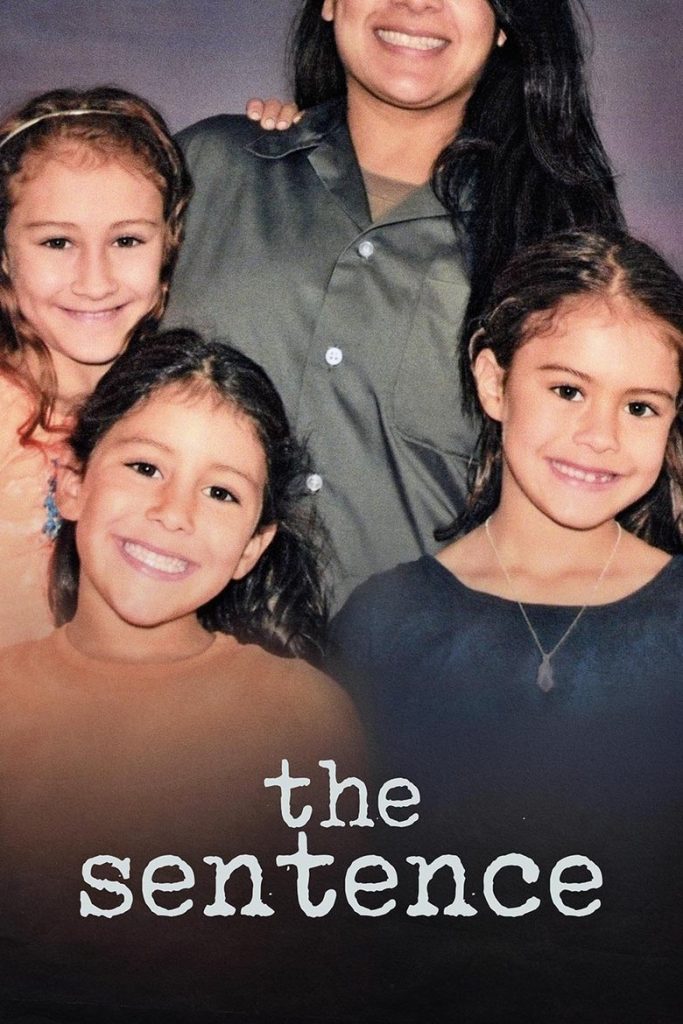
This documentary follows Cindy Shank, a mother of three, who is serving a 15-year federal prison sentence for her minor involvement in a drug ring years earlier. Filmed by her brother over a decade, it intimately portrays the devastating impact of mandatory minimum drug sentencing on her family.
Parent Guide
A thoughtful documentary about the human impact of drug sentencing laws, suitable for mature pre-teens and teens with parental guidance due to its serious themes.
Content breakdown
No violence or physical peril depicted. The peril is emotional and systemic rather than physical.
Some scenes may be emotionally disturbing as they show family separation, prison visits, and the emotional toll on children. No jump scares or horror elements.
No offensive language noted in the TV-PG rating. Language is documentary-style and appropriate.
No sexual content or nudity present.
Discusses drug rings and sentencing related to drug offenses, but no actual drug use is shown on screen.
High emotional intensity due to themes of family separation, injustice, and the long-term consequences of incarceration on a family. Scenes of prison visits and children growing up without their mother are particularly poignant.
Parent tips
This documentary deals with mature themes like incarceration, family separation, and the justice system. It's best for older children and teens who can understand these complex issues. Watch together to discuss the emotional impact and real-world consequences shown.
Parent chat guide
Parent follow-up questions
—
—
- How do you think Cindy's children felt when she was in prison?
- What does 'fair' mean in a situation like this?
- How can families stay connected when someone is far away?
- What are your thoughts on mandatory minimum sentencing laws?
- How does this documentary change your perspective on the war on drugs?
- What role does family support play in difficult situations like this?
- How might this story influence your views on justice and rehabilitation?
🎭 Story Kernel
The film's true engine is not the legal system's failure, but the suffocating weight of administrative indifference. Cindy Shank's sentence is less about the crime and more about the system's inability to see her as a human being who has evolved beyond her past. The driving force is the Kafkaesque nightmare where paperwork, rigid laws, and bureaucratic apathy become more formidable adversaries than any prosecutor. It exposes how 'justice' can be mechanically administered without humanity, turning a reformed life into collateral damage. The characters are propelled by a desperate fight against a faceless entity that refuses to acknowledge change, redemption, or the simple passage of time.
🎬 Visual Aesthetics
Director Rudy Valdez employs a stark, intimate visual language, heavily reliant on archival home video and present-day vérité footage. The color palette shifts from the warm, saturated tones of family memories to the cold, sterile blues and grays of legal offices and prison visiting rooms. This contrast visually underscores the central conflict: a vibrant, loving life versus the dehumanizing monochrome of the system. The camera often sits close, in tight frames on Cindy's family, making their anguish palpable, while wider shots of courtrooms and prisons emphasize their isolation and smallness against institutional machinery.
🔍 Details & Easter Eggs
💡 Behind the Scenes
The film is directed by Rudy Valdez, Cindy Shank's brother, who began filming as a personal archive for his nieces. This explains the unparalleled access and raw intimacy of the footage; it was a family document before it was a documentary. Much of the early home video material was shot by Valdez himself over a decade. The production faced the unique challenge of editing thousands of hours of personal family recordings into a coherent narrative. The film's title carries a double meaning, referring both to Cindy's mandatory minimum prison sentence and the 'life sentence' of grief and struggle imposed on her entire family.
Where to watch
Choose region:
- HBO Max
- HBO Max Amazon Channel
- Amazon Video
- Apple TV Store
- Google Play Movies
- YouTube
- Fandango At Home
Trailer
Trailer playback is unavailable in your region.