
The Seven Deadly Sins: Cursed by Light (2021)
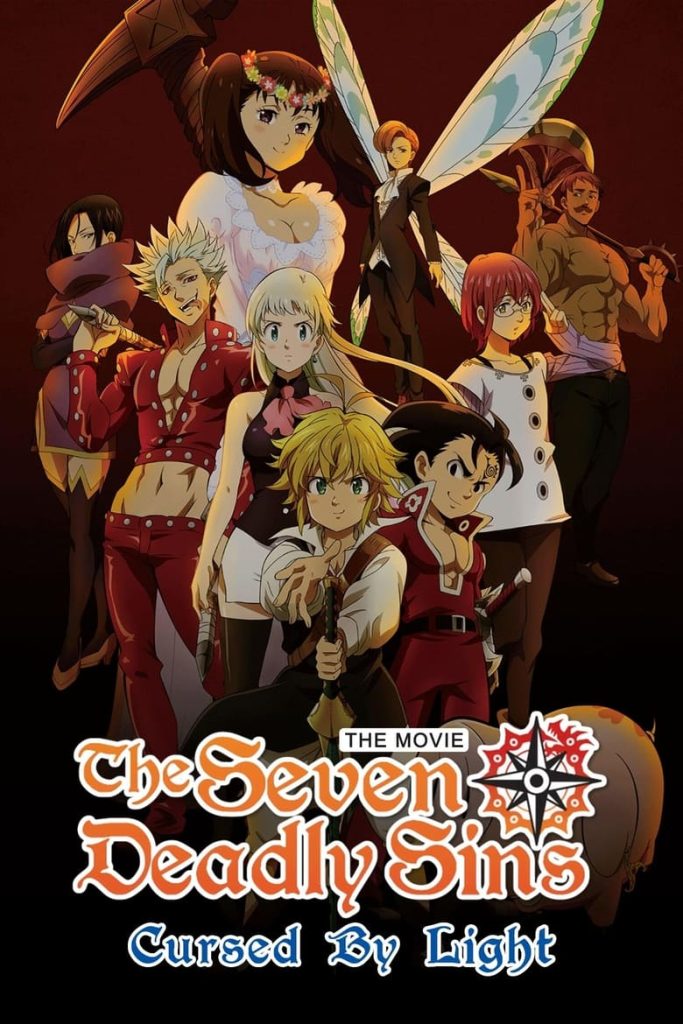
Story overview
This animated fantasy film concludes a major conflict known as the Holy War, where various races united against demons. The story follows the Seven Deadly Sins, a group of legendary rebels, as they achieve peace after defeating the Demon King at a significant personal cost. After the battle, each member goes their separate ways, exploring themes of sacrifice, friendship, and moving forward after great struggles.
Parent Guide
An animated fantasy with magical battles and mature themes about sacrifice and war aftermath, best for older children and teens.
Content breakdown
Fantasy violence with magical battles, perilous situations, and a major character death, though not graphically depicted.
Some intense magical confrontations and emotional scenes involving loss, but typical for fantasy animation.
No notable offensive language mentioned in available information.
No sexual content or nudity mentioned in available information.
No substance use mentioned in available information.
Themes of sacrifice, loss, and war aftermath create emotional weight, particularly around character deaths.
Parent tips
This film contains animated fantasy violence with magical battles and perilous situations, including a major character's death. The TV-14 rating suggests it may be intense for younger viewers due to emotional themes and combat scenes. Parents should note that while it's animated, the story deals with mature concepts like sacrifice and war aftermath that might require discussion with children.
Parent chat guide
Parent follow-up questions
- Did you like the magical characters?
- What was your favorite part?
- How did the friends help each other?
- Was anything scary?
- What colors did you see?
- Why do you think the characters fought?
- How did they work as a team?
- What does 'sacrifice' mean in the story?
- How did the ending make you feel?
- What would you do if you had magic powers?
- What themes about war and peace did you notice?
- How did the characters grow through their struggles?
- Why is friendship important in difficult times?
- How does animation help tell serious stories?
- What would you change about the ending?
- How does this film handle the consequences of war?
- What commentary does it make about power and responsibility?
- How effective is the animation in conveying emotional weight?
- What real-world parallels can you draw from the conflicts?
- How does the film balance action with character development?
🎭 Story Kernel
The film's core expression is the paradox of peace. After defeating the Demon King, the Sins face their greatest challenge: a world without a unifying enemy. The driving force shifts from external conflict to internal reconciliation—Meliodas and Elizabeth's quest to break their curses is less about overcoming a villain and more about accepting the quiet, domestic future they've earned. The narrative grapples with the anti-climax of 'happily ever after,' asking what heroes do when the war is over and they must become ordinary people. Zeldris's arc embodies this, as his motivation transforms from blind loyalty to his brother to forging his own identity and relationship with Gelda.
🎬 Visual Aesthetics
The visual language trades the series' typical high-contrast, chaotic battle scenes for a softer, more ethereal palette. The climactic sequences in the Celestial Realm are awash in luminous golds and whites, symbolizing purity and resolution rather than destructive power. Camera work during emotional moments, like Meliodas and Elizabeth's final confrontation with their curses, uses tight close-ups and slow pans, emphasizing intimate character beats over spectacle. The action, while present, feels more choreographed and graceful, mirroring the characters' mastery and the story's shift from struggle to fulfillment.
🔍 Details & Easter Eggs
💡 Behind the Scenes
The film was produced concurrently with the final season of the television series, allowing for seamless integration of the ending. Key voice actors recorded their lines in marathon sessions to capture the emotional conclusion of characters they had voiced for nearly a decade. Several action sequences were storyboarded by the original manga author, Nakaba Suzuki, to ensure fidelity to his vision for the finale. The score extensively reprises and variations on leitmotifs from the entire series, creating a strong sense of auditory closure for long-time fans.
Where to watch
Choose region:
- Netflix
- Netflix Standard with Ads
Trailer
Trailer playback is unavailable in your region.