
The Shadow in My Eye (2021)
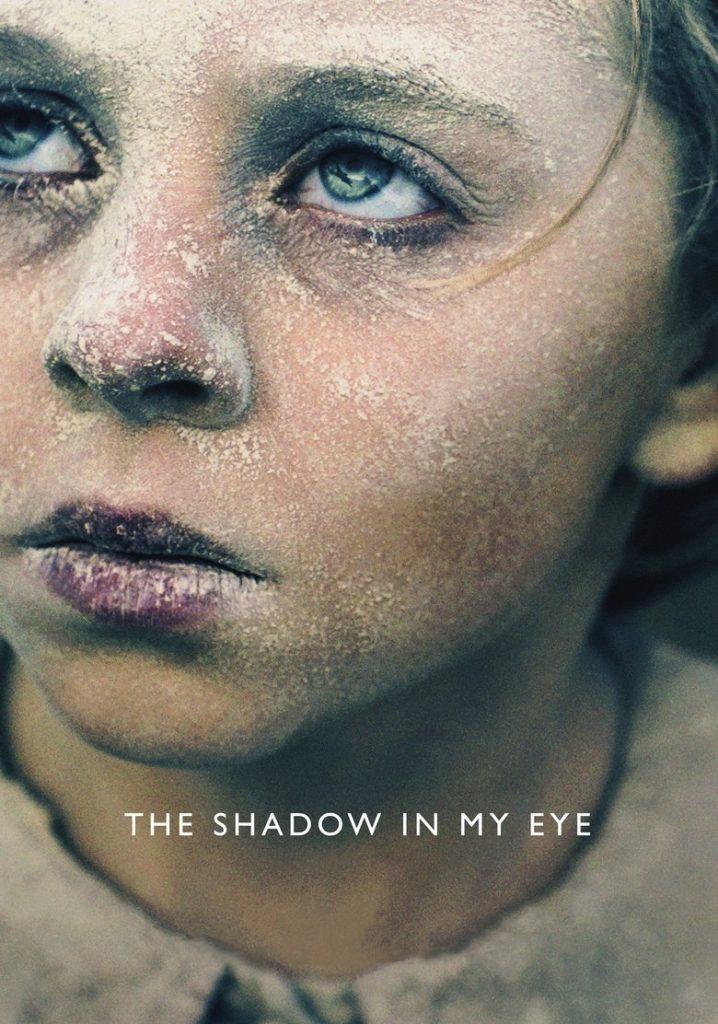
Story overview
The Shadow in My Eye is a 2021 war drama based on historical events. It explores the impact of conflict on individuals and communities during wartime. The film portrays the emotional struggles and moral dilemmas faced by characters caught in difficult circumstances. It examines themes of resilience, sacrifice, and the human cost of war through a dramatic narrative.
Parent Guide
TV-MA rated war drama with mature themes appropriate for older teens and adults. Contains content related to war and historical conflict that may be intense for younger viewers.
Content breakdown
War-related violence and peril expected given genre. May include scenes of conflict, danger, and wartime situations.
War themes and dramatic situations may be emotionally intense. Historical conflict settings could be disturbing to sensitive viewers.
May contain some strong language appropriate to war settings, but specifics unknown.
No indication of sexual content or nudity based on available information.
May include period-appropriate depictions of substance use, but not a primary focus.
War drama with historical themes likely contains significant emotional intensity and mature thematic elements.
Parent tips
This TV-MA rated war drama contains mature content appropriate for older teens and adults. Parents should be aware that the film deals with serious historical events involving war and conflict, which may include intense emotional themes. Consider your child's sensitivity to war-related content and their ability to process complex historical situations before viewing.
Given the TV-MA rating, this film is specifically designed for mature audiences. The war and drama genres suggest the film will contain serious themes that may not be suitable for younger children. Parents should preview the content or research specific scenes if concerned about particular elements.
War dramas often contain scenes of peril, emotional intensity, and mature themes. Have conversations ready about historical context and the realities of conflict. Be prepared to discuss how films portray difficult periods in history and the importance of understanding these events.
Parent chat guide
For older viewers, explore themes of moral complexity during wartime and how ordinary people respond to extraordinary circumstances. Discuss the film's perspective on historical events and how it portrays the human experience of conflict. Consider comparing the film's portrayal with historical facts if appropriate for your child's age and understanding.
Use the film as a starting point for conversations about resilience, empathy, and historical awareness. Discuss how people cope with difficult situations and what we can learn from historical events. Remember that war dramas can be emotionally challenging, so check in with your child about their feelings and reactions.
Parent follow-up questions
- What did you notice about how the people in the movie helped each other?
- How did the characters show they cared about their friends?
- What colors or sounds did you remember from the movie?
- What was your favorite part of the movie?
- How do you think the characters felt when they worked together?
- What challenges did the main characters face in the movie?
- How did the characters show bravery in difficult situations?
- What did you learn about how people lived during this time in history?
- Why do you think it's important to remember stories from the past?
- How did the characters help each other during hard times?
- What historical period do you think this movie was about?
- How did the film show the impact of war on ordinary people?
- What moral choices did characters have to make in the story?
- How did the setting and time period affect the characters' decisions?
- What did the movie teach you about resilience during difficult times?
- How does this film portray the complexity of wartime decisions?
- What historical accuracy or creative liberties did you notice in the portrayal?
- How does the film explore themes of sacrifice and moral ambiguity?
- What perspective does the film offer on this historical period?
- How does the cinematography and direction contribute to the emotional impact of the story?
🎭 Story Kernel
The film's core isn't just about the tragic 1945 RAF bombing of Copenhagen's French School. It's a meticulous deconstruction of how institutional arrogance and bureaucratic detachment can lead to catastrophic failure. The characters are driven not by malice, but by a fatal cocktail of rigid protocol, flawed intelligence, and the desperate need to prove operational success. The Danish resistance fighters operate on raw, desperate hope, while the British commanders are imprisoned by their own operational tunnel vision. The movie expresses how tragedy often emerges not from a single villain, but from a perfect storm of small, compounding errors and the terrifying distance between decision-makers and the human consequences of their orders.
🎬 Visual Aesthetics
The cinematography masterfully employs a stark, desaturated palette, mirroring the bleakness of occupied Copenhagen and the clinical detachment of the RAF command rooms. The aerial sequences are shot with a terrifying, documentary-like clarity, devoid of Hollywood glamour, making the destruction feel brutally real. A key visual motif is the use of windows and frames—characters are constantly viewed through them, symbolizing their isolation and the barriers (of protocol, ideology, war) that separate them from the reality of their actions. The contrast between the intimate, shadowy interiors of the Danish apartments and the vast, cold openness of the sky where the bombers fly is a powerful visual representation of scale versus consequence.
🔍 Details & Easter Eggs
💡 Behind the Scenes
The film is known internationally as 'The Bombardment' and is based on the true events of Operation Carthage. It was shot on location in the Czech Republic, which stood in for 1940s Copenhagen. Director Ole Bornedal insisted on using practical effects and real explosions for the bombing sequence to achieve maximum authenticity, reportedly demolishing a specially constructed set. Many of the child actors were non-professionals, and their raw, unrehearsed reactions during the intense scenes contribute significantly to the film's harrowing emotional impact.
Where to watch
Choose region:
- Netflix
- Netflix Standard with Ads
Trailer
Trailer playback is unavailable in your region.