
The Shadow Strays (2024)
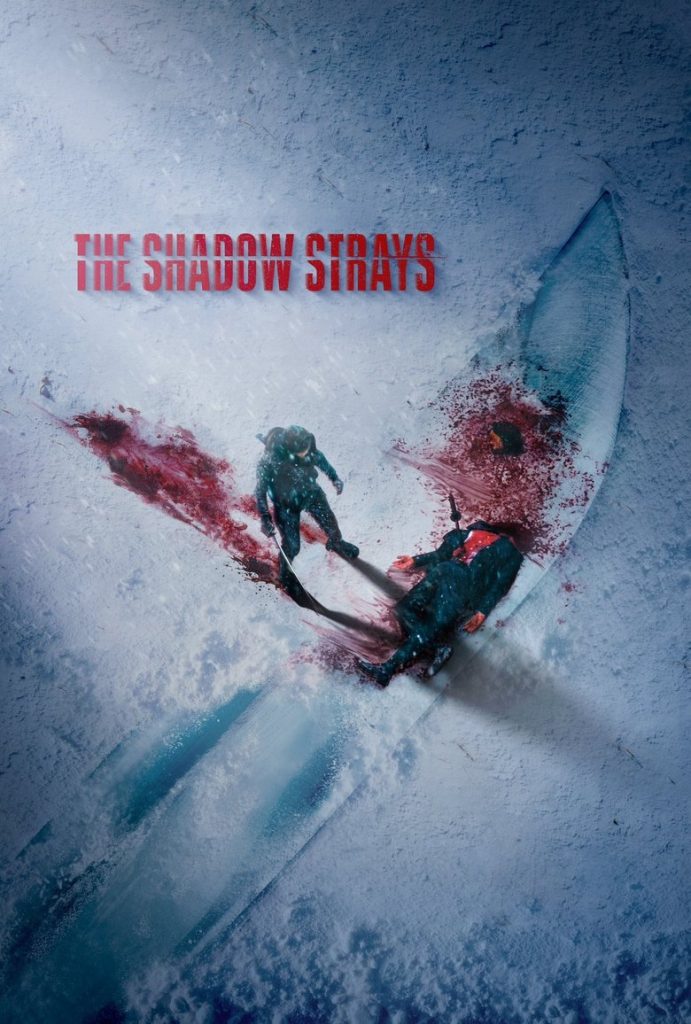
Story overview
The Shadow Strays is a 2024 action-crime thriller rated TV-MA. The film follows characters navigating dangerous criminal underworlds where loyalties are tested and survival is paramount. Expect tense sequences involving heists, chases, and confrontations typical of the thriller genre. The narrative explores themes of betrayal and moral ambiguity within high-stakes scenarios.
Parent Guide
TV-MA rated action-crime thriller with mature content suitable for viewers 17+
Content breakdown
Expect intense action sequences, criminal violence, and high-stakes peril typical of the genre
Thriller elements create suspense and tension that may be disturbing to some viewers
May contain strong language consistent with crime thriller genre
Possible suggestive content but not a primary focus based on genre
May depict substance use in criminal contexts
High-stakes scenarios and moral conflicts create intense emotional engagement
Parent tips
This TV-MA rated film contains content suitable for mature audiences only. Parents should be aware that action-crime thrillers typically involve intense violence, perilous situations, and potentially strong language. The TV-MA rating indicates this film is specifically designed for viewers aged 17 and older. Consider watching this film yourself first before deciding if it's appropriate for your older teenagers.
Parent chat guide
Parent follow-up questions
- What was your favorite part of the movie?
- How did the music make you feel during the exciting parts?
- What colors did you notice most in the movie?
- Can you tell me about one character you remember?
- Was there anything that surprised you in the story?
- What made the movie exciting or suspenseful?
- How did the characters solve their problems?
- What would you do differently if you were in that situation?
- What lesson might someone learn from this story?
- How did the movie make you feel during the most intense scenes?
- What moral choices did the characters face in the story?
- How does this movie compare to other action films you've seen?
- What techniques did the filmmakers use to create tension?
- How realistic do you think the criminal activities portrayed were?
- What message do you think the movie was trying to convey?
- How does this film handle themes of loyalty versus survival?
- What commentary might this movie be making about crime and society?
- How effective were the thriller elements in maintaining suspense?
- What ethical dilemmas did the characters encounter?
- How does this film compare to real-world criminal justice issues?
🎭 Story Kernel
At its core, the film explores the friction between indoctrinated duty and burgeoning empathy. Codename 13 is a product of 'The Shadows,' an elite assassin organization that demands absolute emotional detachment. When a botched mission leads to her suspension, her protective bond with the orphaned Monji becomes a catalyst for rebellion. It isn't just a rescue mission; it’s an existential reclamation. The narrative dissects how systemic violence consumes the youth, turning them into disposable tools. By choosing to save one life, 13 effectively dismantles the logic of her upbringing, suggesting that even in a nihilistic underworld, the impulse to protect is more potent than the command to kill. It’s a story about the messy, violent birth of an individual from the wreckage of a cult-like institution.
🎬 Visual Aesthetics
Timo Tjahjanto employs a hyper-kinetic visual language that balances grotesque body horror with stylized action choreography. The cinematography utilizes a high-contrast palette, pitting the cold, clinical blues of the Shadow headquarters against the sweltering, neon-infused grime of Jakarta’s criminal underbelly. Symbolism is found in the recurring motif of masks and shadows, representing the erasure of identity. The camera work is restless, often utilizing long takes and close-quarters tracking shots that force the viewer into the visceral impact of every strike. The action isn't just spectacle; it’s rhythmic and claustrophobic, reflecting 13’s internal entrapment. The use of practical effects for the film’s extreme gore adds a tactile, nauseating realism that distinguishes it from more sanitized Western action counterparts.
🔍 Details & Easter Eggs
💡 Behind the Scenes
Lead actress Aurora Ribero underwent intensive physical training for months to perform the majority of her own stunts, a significant departure from her previous roles in romantic dramas. Director Timo Tjahjanto, known for 'The Night Comes for Us,' continues his collaboration with Netflix to expand the 'Tjahjanto-verse' of extreme Indonesian action cinema. The film features several cameos and supporting roles from frequent Tjahjanto collaborators, reinforcing a specific stylistic ensemble. Production focused heavily on practical stunt work and intricate fight choreography designed by the same team that elevated contemporary Indonesian martial arts films to global recognition.
Where to watch
Choose region:
- Netflix
- Netflix Standard with Ads
Trailer
Trailer playback is unavailable in your region.