
The Shining (1980)
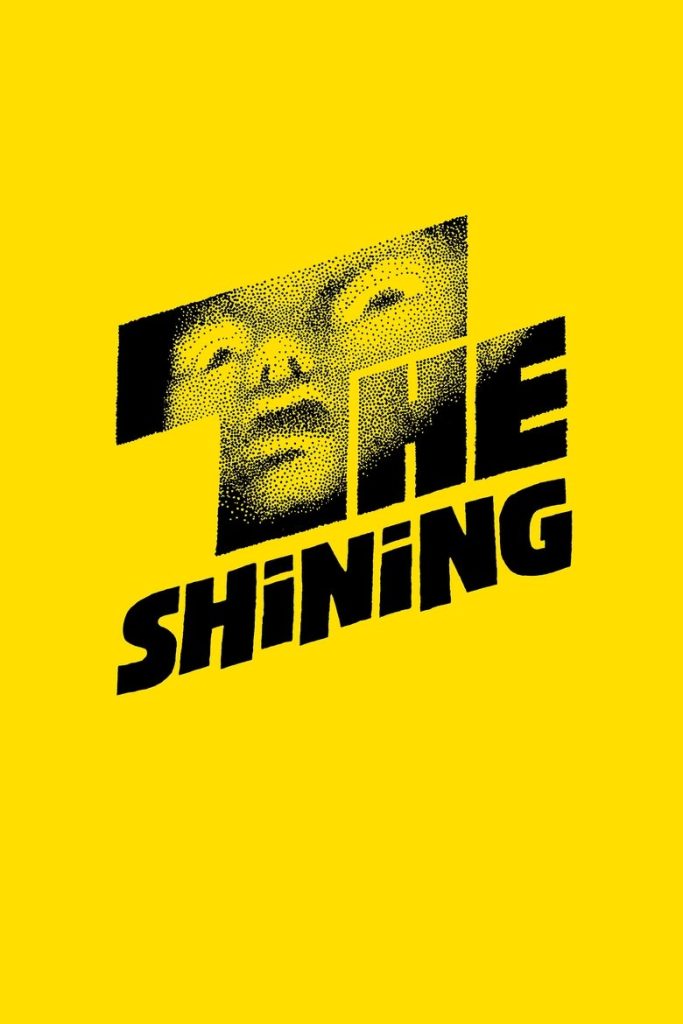
Story overview
The Shining follows a family who takes a winter caretaker position at an isolated hotel. As they spend months alone in the massive, empty building, tensions rise and disturbing events begin to unfold. The film explores psychological deterioration and supernatural elements in a slow-building, atmospheric horror story. It's considered a classic of the genre for its masterful direction and unsettling tone.
Parent Guide
A psychologically intense horror film with strong disturbing content and violence that requires mature viewing.
Content breakdown
Contains graphic violence including blood, weapons, and intense peril scenes with characters in life-threatening situations.
Features intense psychological horror, disturbing imagery, supernatural elements, and sustained tension that creates a deeply unsettling atmosphere.
Includes some strong language and verbal aggression throughout the film.
Contains brief suggestive content and some disturbing imagery with sexual undertones.
Features alcohol consumption and themes related to substance abuse and addiction.
High emotional intensity throughout with themes of madness, family breakdown, isolation, and psychological terror.
Parent tips
This R-rated horror film contains intense psychological terror, disturbing imagery, and strong violence that makes it inappropriate for younger viewers. The film's slow-building tension, graphic scenes, and themes of family dysfunction and madness require mature emotional processing. Parents should carefully consider their child's sensitivity to horror elements before viewing, even for older teenagers.
Parent chat guide
Parent follow-up questions
- What was your favorite part of the movie?
- Did anything in the movie make you feel scared?
- What do you think the characters were feeling?
- How can we feel safe after watching something scary?
- What makes a movie exciting to watch?
- What parts of the movie felt most suspenseful to you?
- How did the music and sounds help tell the story?
- What did you think about how the family members treated each other?
- What makes a place feel scary or safe in a movie?
- How do filmmakers make imaginary things seem real?
- What techniques did the director use to build tension throughout the film?
- How does isolation affect people's behavior and mental state?
- What themes about family and responsibility did you notice?
- How does this horror movie compare to others you've seen?
- What makes psychological horror different from other scary movies?
- How does the film explore the breakdown of family dynamics under pressure?
- What commentary might the film be making about addiction or personal demons?
- How does the cinematography and set design contribute to the unsettling atmosphere?
- What elements of the horror feel psychological versus supernatural?
- How does the film's pacing affect your emotional experience as a viewer?
🎭 Story Kernel
The Shining is not about a haunted hotel; it's about the haunting of a man by his own failures and toxic masculinity. Jack Torrance's descent into madness is driven by his inability to fulfill the patriarchal role of provider and protector. The Overlook Hotel doesn't create evil—it amplifies the rot already festering within Jack: his alcoholism, his writer's block, his resentment toward his family. Wendy and Danny become targets not because of ghosts, but because they represent the domestic responsibilities Jack feels trapped by. The film explores how isolation and pressure can turn self-loathing into external violence, with the supernatural elements serving as manifestations of internal collapse.
🎬 Visual Aesthetics
Kubrick employs symmetrical compositions and Steadicam tracking shots to create an unnerving, labyrinthine atmosphere where characters appear trapped within the frame. The color palette shifts from warm, inviting tones in early scenes to cold, sterile blues and reds (notably the blood-filled elevator) as madness takes hold. The geometric patterns of the carpet and hedge maze visually echo the psychological maze Jack navigates. Long, empty corridors and extreme wide shots emphasize isolation and vulnerability. The camera often observes from a detached, voyeuristic perspective, making viewers complicit in the horror.
🔍 Details & Easter Eggs
💡 Behind the Scenes
Shelley Duvall's distressed performance was partly genuine; Kubrick deliberately isolated her from the crew and demanded 127 takes of the baseball bat staircase scene. The Overlook Hotel exterior is the Timberline Lodge in Oregon, but interiors were constructed at Elstree Studios in England. Jack Nicholson improvised the famous 'Here's Johnny!' line, referencing The Tonight Show. The hedge maze didn't exist at the Timberline Lodge—it was a miniature model for wide shots and a constructed set for close-ups, with the snow made from salt and crushed Styrofoam.
Where to watch
Choose region:
- Criterion Channel
- Amazon Video
- Apple TV
- Google Play Movies
- YouTube
- Fandango At Home
- Plex
Trailer
Trailer playback is unavailable in your region.