The Siege of Jadotville (2016)
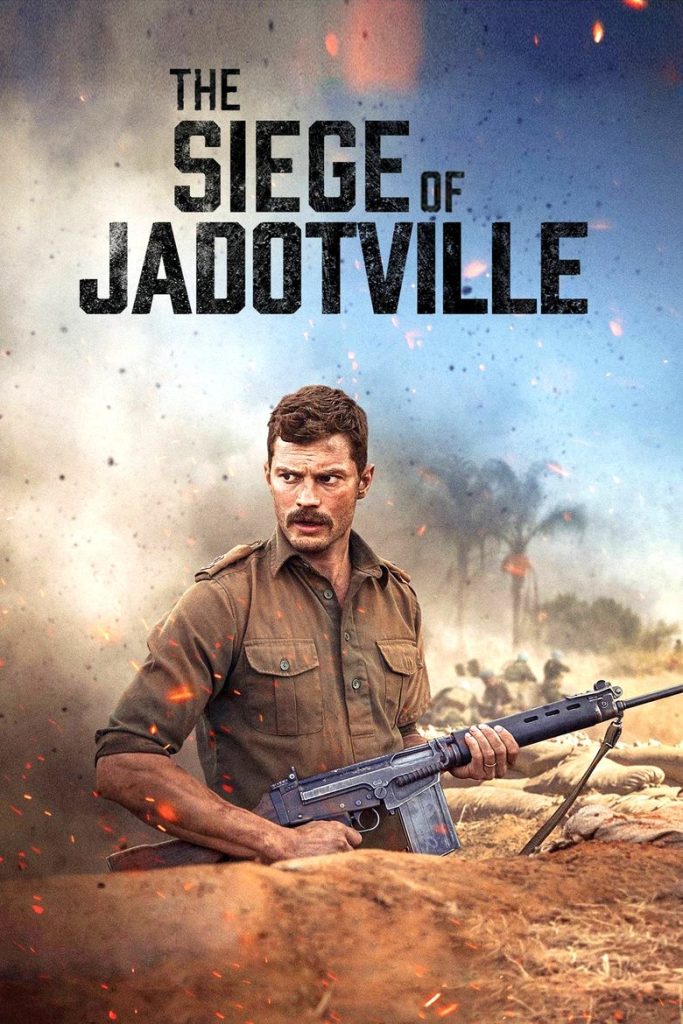
Story overview
The Siege of Jadotville is a 2016 war drama based on true events during the Congo Crisis in 1961. It follows a small Irish UN peacekeeping unit that becomes trapped and vastly outnumbered by mercenary forces. The film depicts their struggle for survival and the political complexities surrounding their mission.
Parent Guide
War drama with intense combat sequences and mature themes. Best for mature teenagers who can handle realistic military conflict and complex political situations.
Content breakdown
Extended battle sequences with gunfire, explosions, and military combat. Soldiers are shown in constant peril and under attack. While not excessively gory, the violence is persistent and realistic.
Intense scenes of soldiers trapped and outnumbered create high tension. The constant threat of attack and isolation may be stressful for sensitive viewers. Historical context of betrayal adds emotional weight.
Some military-style language and occasional strong words typical of war situations. Not excessive but present in tense moments.
No sexual content or nudity present in this military-focused film.
Possible brief scenes of soldiers smoking or minimal social drinking in military contexts. Not a focus of the film.
High-stress situations, feelings of isolation, and themes of survival create significant emotional intensity. The political betrayal aspect adds another layer of emotional complexity.
Parent tips
This film is rated TV-MA, indicating it's intended for mature audiences. As a war drama, it contains intense combat sequences and themes of violence that may be disturbing for younger viewers. Parents should consider the emotional maturity of their children before viewing.
The movie portrays realistic military conflict with scenes of gunfire, explosions, and peril. While not excessively graphic, the constant threat and tension create a stressful viewing experience. The historical context involves political betrayal and military strategy that may be complex for children to understand.
Consider watching this with teenagers who can process the historical significance and discuss the ethical dilemmas presented. The film raises questions about duty, leadership, and international politics that could lead to meaningful family conversations.
Parent chat guide
For younger viewers who may have seen parts, emphasize the difference between movie violence and real life. Discuss how filmmakers use special effects to create battle scenes safely.
With older children, explore the themes of courage under pressure and international peacekeeping missions. Discuss how the film portrays leadership challenges and the reality that sometimes doing the right thing doesn't lead to immediate recognition.
Parent follow-up questions
- Did you see any soldiers in the movie?
- What colors did you notice in the movie?
- Did you hear any loud sounds?
- What was your favorite part to watch?
- How did the movie make you feel?
- What did you think about the soldiers working together?
- Why do you think they were in that place?
- What was the hardest part for the soldiers?
- How did the leaders help their team?
- What would you do if you were far from home like them?
- What did you learn about peacekeeping missions?
- How did the soldiers show courage?
- What challenges did they face besides fighting?
- Why do you think the political situation was complicated?
- What would you have done differently in their situation?
- What historical context did you notice about this conflict?
- How did the film portray the ethics of military engagement?
- What leadership qualities were most important in this situation?
- How does this film comment on international politics?
- What contemporary parallels can you draw from this historical event?
🎭 Story Kernel
The film's core theme is the devastating gap between political idealism and military reality. It expresses how soldiers become pawns in geopolitical games where their courage and sacrifice are rendered meaningless by diplomatic cowardice. What drives Commandant Quinlan and his men is not just survival, but the desperate need to maintain honor and professionalism when their own superiors abandon them. The movie is really about institutional betrayal—the UN's failure to support its peacekeepers exposes how international organizations can become theaters for great power politics where individual lives are expendable. The soldiers' loyalty to each other contrasts starkly with the political maneuvering that leaves them stranded.
🎬 Visual Aesthetics
The cinematography employs a gritty, documentary-style realism with handheld cameras during combat sequences, creating visceral immediacy. The color palette shifts from the warm, earthy tones of the African landscape to the stark, metallic grays of military equipment and the dusty haze of battle. Action scenes are chaotic yet coherent, emphasizing the confusion of modern warfare where Katangese rebels emerge from the terrain itself. Symbolism appears in the contrast between the pristine UN compound and the surrounding wilderness—civilization's fragile outpost in a lawless conflict. Wide shots of the besieged camp emphasize its isolation, while tight close-ups on soldiers' faces capture their deteriorating morale.
🔍 Details & Easter Eggs
💡 Behind the Scenes
The film is based on true events from 1961 that were largely suppressed for decades. Jamie Dornan, who plays Commandant Quinlan, underwent military training with Irish Army advisors to authentically portray an officer. Filming took place in South Africa, standing in for the Congo, with the production recreating the Jadotville camp based on historical records and veteran accounts. Many of the Irish soldiers' tactics shown in the film—like using beer bottles as Molotov cocktails—were verified by surviving veterans who consulted on the production. The real Commandant Quinlan's family was involved in the film's development to ensure accuracy.
Where to watch
Choose region:
- Netflix
- Netflix Standard with Ads
Trailer
Trailer playback is unavailable in your region.