The Silence of the Lambs (1991)
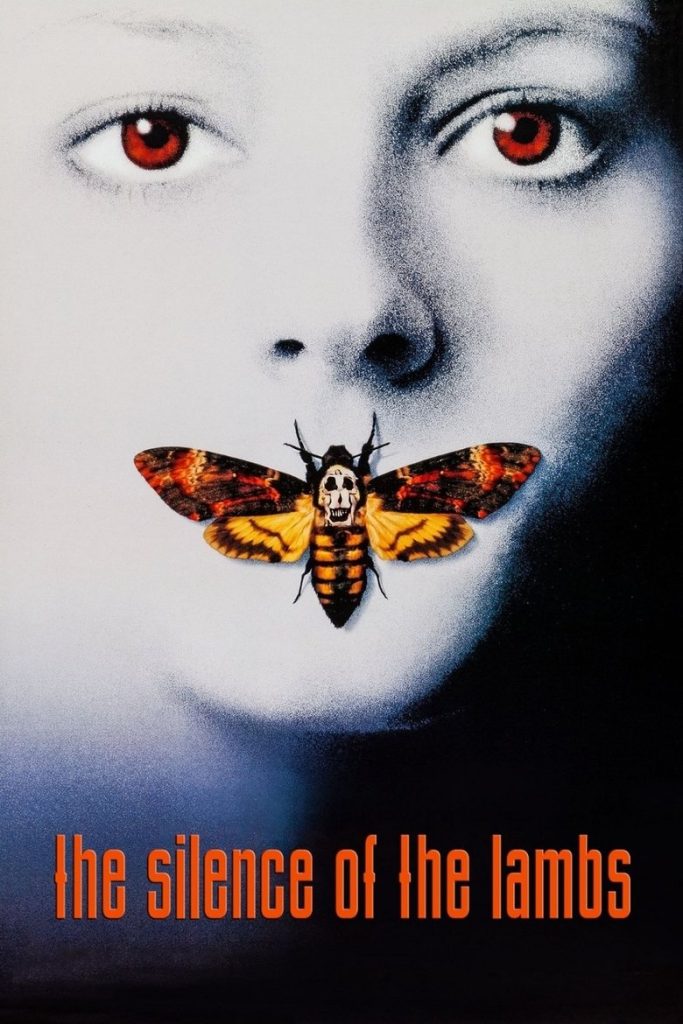
Story overview
This psychological thriller follows an FBI trainee who is assigned to interview an imprisoned psychiatrist and serial killer to gain insights into another active case. The story explores themes of criminal psychology, manipulation, and the pursuit of justice through intense conversations and investigation. The film builds suspense through psychological tension rather than constant action, focusing on the cat-and-mouse dynamic between the two main characters.
Parent Guide
A psychologically intense thriller with graphic violence and mature themes, suitable only for older teens and adults with strong content warnings.
Content breakdown
Graphic descriptions and some depictions of murder, violence against women, crime scenes, and psychological terror. Includes references to cannibalism and serial killing.
Intense psychological horror, manipulative conversations, disturbing themes of serial murder, and suspenseful sequences. The psychological elements may be more disturbing than visual gore.
Some strong language and crude references, though not excessive. The psychological content is more concerning than the language itself.
Some sexual references and themes, but no explicit nudity or sexual scenes. The film focuses more on psychological and violent content.
Limited references to alcohol and smoking. Substance use is not a significant theme in the film.
High psychological tension, manipulative dynamics, and themes of trauma and vulnerability. The film creates sustained emotional pressure through its subject matter and character interactions.
Parent tips
This film contains intense psychological themes, graphic violence, and disturbing content that makes it unsuitable for children and younger teens. The R rating reflects strong violent content including murder, cannibalism references, and psychological terror. The film's tension comes from psychological manipulation and graphic crime scene descriptions rather than constant physical violence.
Parents should be aware that the film explores dark themes of serial murder, manipulation, and psychological trauma. The central relationship involves dangerous mind games between characters, with one being a highly intelligent psychopath. While there are moments of strong female leadership and professional determination, these positive elements are surrounded by very dark subject matter.
Parent chat guide
After viewing, focus conversations on the film's themes of psychology, justice, and professional ethics rather than the graphic details. Discuss how the film portrays the investigation process and the psychological aspects of criminal behavior. For older teens, conversations might explore the nature of evil, professional boundaries, and how media portrays violence versus real-world consequences.
Parent follow-up questions
- What did you think about the people in the movie?
- Was there anything that made you feel scared?
- What colors or sounds did you notice most?
- Did you see any people helping each other?
- What was your favorite part of watching?
- How did the characters try to solve problems in the story?
- What made some parts of the movie feel tense or scary?
- How do you think the investigators felt doing their job?
- What did you learn about how people work together?
- What would you do if you felt scared during a movie?
- What skills did the main character use to solve the mystery?
- How does the movie show people dealing with scary situations?
- What do you think about how the characters communicated with each other?
- How did the movie build suspense without showing everything?
- What makes a good investigator in real life versus in movies?
- How does the film explore psychological manipulation and power dynamics?
- What ethical questions does the investigation raise about methods and boundaries?
- How does the film portray professional determination versus personal vulnerability?
- What commentary might the film be making about justice and criminal psychology?
- How do thriller elements serve the story versus just creating scares?
🎭 Story Kernel
At its core, 'The Silence of the Lambs' explores the transactional nature of power and the cost of professional obsession. Clarice Starling's journey isn't just about catching Buffalo Bill—it's about proving her worth in a male-dominated field by mastering the very darkness she's meant to contain. Hannibal Lecter represents the ultimate test: to understand evil, she must engage with it on its own terms, risking her own humanity. The film suggests that true monsters aren't supernatural, but human creations—products of trauma, neglect, and societal failure. Clarice's victory comes not from brute force, but from psychological insight, yet leaves her forever changed by what she's witnessed.
🎬 Visual Aesthetics
Jonathan Demme's direction creates intimacy through unsettling close-ups, particularly during interrogation scenes where characters occupy the same frame but exist in different psychological spaces. The color palette shifts from the cold, institutional blues and grays of Quantico to the warm, domestic horrors of Buffalo Bill's basement. Demme's signature direct-to-camera shots break the fourth wall, making viewers complicit in the gaze. The moth imagery serves as both literal clue and metaphor for transformation—Buffalo Bill wants to change his skin, while Clarice undergoes her own metamorphosis from student to agent. The film's most terrifying moments occur in well-lit spaces, subverting horror conventions.
🔍 Details & Easter Eggs
💡 Behind the Scenes
Jodie Foster and Anthony Hopkins shared remarkably little screen time—only 16 minutes together in the entire film. Hopkins based Lecter's voice on Truman Capote and Katharine Hepburn, creating that unsettling, cultured cadence. The famous 'fava beans' line was ad-libbed by Hopkins. Ted Levine, who played Buffalo Bill, was so concerned about being typecast that he initially turned down the role. The film was shot in chronological order to help Foster's emotional arc, with the final basement scenes filmed last to maintain maximum tension.
Where to watch
Choose region:
- Amazon Video
- Apple TV
- Google Play Movies
- YouTube
- Fandango At Home
- Plex
- Tubi TV
- Kanopy
Trailer
Trailer playback is unavailable in your region.