
The Slow Hustle (2021)
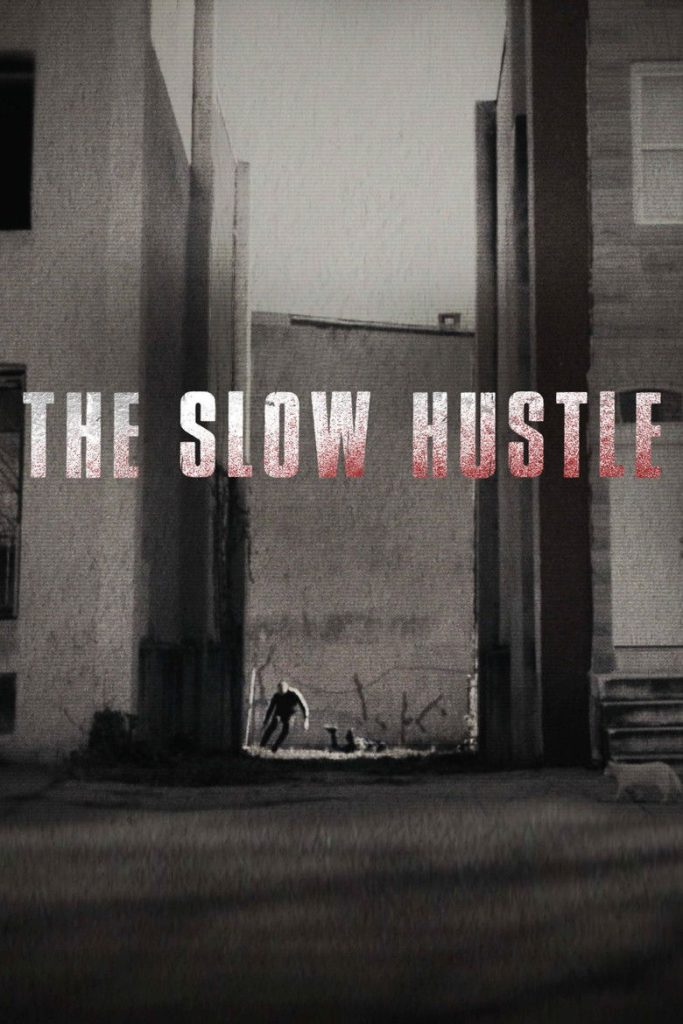
Story overview
The Slow Hustle is a 2021 documentary exploring crime-related themes. As a documentary, it likely examines real-world criminal cases or justice system issues. The film presents factual information through interviews, archival footage, or investigative reporting. Viewers should expect content focused on legal proceedings, investigations, or societal aspects of crime.
Parent Guide
Documentary about crime themes suitable for mature audiences with parental guidance for younger viewers.
Content breakdown
May include discussions or depictions of criminal activities, investigations, or legal proceedings.
Real-world crime topics and legal situations may be unsettling for some viewers.
Documentary may include occasional strong language in interviews or recordings.
No sexual content expected in a crime documentary.
May include references to substance use in crime contexts.
Serious topics and real-life situations may create emotional engagement.
Parent tips
This documentary deals with crime themes that may be too mature for younger children. Consider previewing the content yourself first to assess appropriateness for your family. The film may include discussions of criminal activities, legal procedures, or societal issues that require parental guidance for younger viewers. Documentaries about crime can present complex real-world situations that may need explanation for children.
Parent chat guide
Parent follow-up questions
- What did you learn about how people help each other stay safe?
- What jobs did you see people doing in the movie?
- How do people work together to solve problems?
- What rules help keep communities safe?
- What did you notice about how people talk to each other?
- What did the documentary teach you about how investigations work?
- Why is it important to gather facts before making decisions?
- How do people in the justice system help communities?
- What different jobs did you see people doing related to safety?
- What makes a documentary different from a fictional movie?
- What methods did the documentary use to present information?
- How does this film approach the topic of crime differently than entertainment shows?
- What ethical considerations might filmmakers face when covering real cases?
- How can documentaries influence public understanding of legal systems?
- What questions did this documentary raise for you about justice?
- How does this documentary balance factual reporting with narrative storytelling?
- What biases or perspectives might be present in how the information is presented?
- How does this film contribute to public discourse about crime and justice?
- What ethical responsibilities do documentary filmmakers have when covering sensitive topics?
- How might different audiences interpret the information presented in this documentary?
🎭 Story Kernel
The film is less about solving a murder than dissecting the institutional rot that makes justice impossible. It expresses the suffocating reality of systems designed to protect themselves, not people. The driving force isn't a quest for truth, but a desperate attempt to maintain professional dignity within a structure that actively erodes it. Detective Sean Suiter's death becomes a catalyst, exposing how the Baltimore Police Department's internal corruption and the city's political machinery conspire to bury uncomfortable truths. The characters are propelled not by heroism, but by a weary, cynical need to navigate a labyrinth where every path leads to a dead end or a compromised ally.
🎬 Visual Aesthetics
The visual language is one of claustrophobic realism, favoring handheld camerawork and tight close-ups that trap characters in their own desks, cars, and moral dilemmas. A muted, desaturated color palette of institutional grays, blues, and beiges mirrors the bureaucratic stagnation. There are no glamorous action sequences; violence is sudden, messy, and often occurs off-screen, its impact conveyed through the stunned, weary reactions of the investigators. Symbolism is found in the oppressive architecture of police headquarters and the labyrinthine case files, visually representing the maze of procedure and obfuscation the truth must navigate.
🔍 Details & Easter Eggs
💡 Behind the Scenes
The film is a dramatization of real events surrounding the 2017 death of Baltimore PD Detective Sean Suiter. Many scenes were shot on location in Baltimore, utilizing actual city government buildings to enhance authenticity. Several actors, including those portraying high-ranking officials, conducted extensive research and interviews with individuals connected to the real case, lending a palpable layer of grim realism to their performances. The documentary-style approach was a conscious choice to distance the narrative from typical police procedurals and ground it in a specific, troubled civic reality.
Where to watch
Choose region:
- HBO Max
- HBO Max Amazon Channel
Trailer
Trailer playback is unavailable in your region.