
The Small One (1978)
Story overview
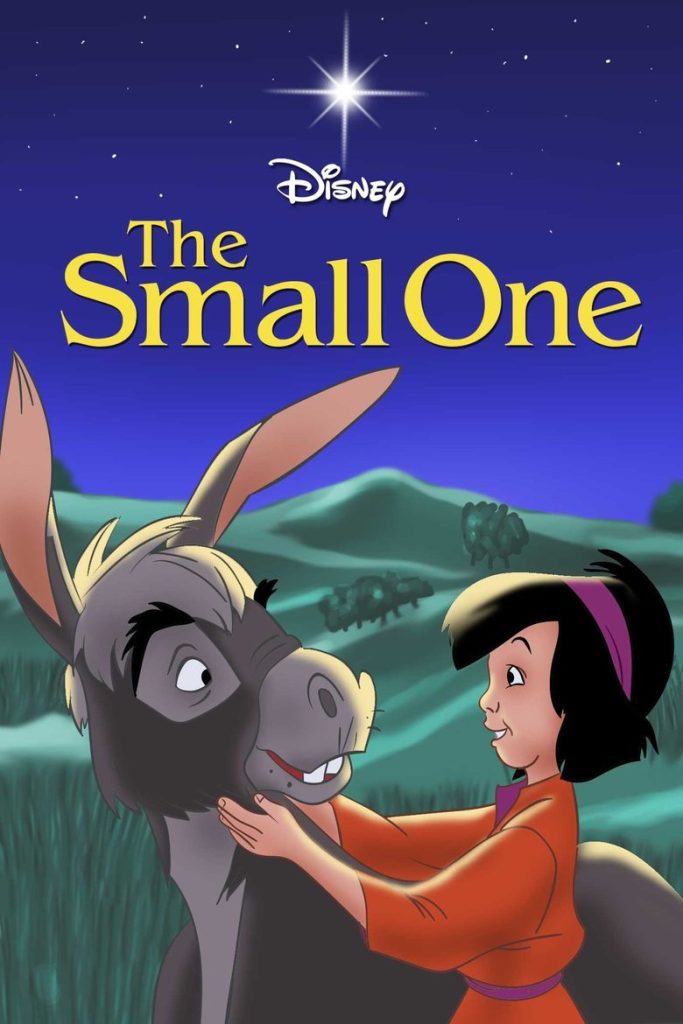
This animated short film tells a heartwarming story set in ancient times about a young boy who must sell his beloved old mule named Small One. The boy faces challenges finding a buyer at the market until he meets a kind man named Joseph. Joseph purchases Small One to help transport his pregnant wife Mary to Bethlehem, giving the donkey an important purpose.
Parent Guide
A gentle animated short with positive messages about compassion and responsibility, suitable for all ages.
Content breakdown
No violence or peril depicted.
No scary or disturbing content.
No concerning language.
No sexual content or nudity.
No substance use depicted.
Mild emotional moments related to saying goodbye to a beloved animal.
Parent tips
This gentle animated film presents a story of compassion, responsibility, and finding purpose. The narrative connects to religious themes through its depiction of Joseph and Mary's journey to Bethlehem, which parents may want to discuss with children. The film's short runtime makes it accessible for family viewing, and its G rating indicates content suitable for all ages with no concerning elements.
Parent chat guide
Parent follow-up questions
- How did the boy feel about Small One?
- Why was it hard to say goodbye to Small One?
- What did Joseph need Small One for?
- How do you think Small One felt about his new job?
- What does it mean to be kind to animals?
- Why do you think the boy's father asked him to sell Small One?
- How did the boy show responsibility in the story?
- What made Joseph different from other buyers at the market?
- What important journey was Small One going to help with?
- What does this story teach us about finding purpose?
- What challenges did the boy face in trying to sell Small One?
- How does this story show the value of perseverance?
- What historical or religious context does this story connect to?
- How did the characters demonstrate compassion toward one another?
- What might this story symbolize about finding meaning in unexpected places?
- How does this story explore themes of sacrifice and purpose?
- What cultural or religious significance might this narrative hold?
- How does the film portray relationships between humans and animals?
- What historical context surrounds the journey to Bethlehem?
- How might this simple story convey deeper messages about faith and destiny?
🎭 Story Kernel
At its core, 'The Small One' is about the painful transition from childhood innocence to adult responsibility, framed through the brutal economics of survival. The boy's journey isn't just about selling his donkey—it's his first confrontation with a world that values utility over sentiment. Every rejection at the market chips away at his naive belief that love alone can sustain life. The tanner represents the ultimate adult truth: sometimes the most merciful act is also the most devastating. The film's real tension isn't whether the donkey will be sold, but whether the boy can bear the emotional cost of growing up.
🎬 Visual Aesthetics
The animation employs a muted, earthy palette of browns and ochres that ground the Biblical setting in tangible reality. Camera angles frequently position viewers at the boy's eye level, making the adult world loom oppressively overhead. Notice how the donkey's deteriorating condition is shown through increasingly slumped postures and labored movements rather than explicit injury. The market scenes use chaotic, overlapping dialogue and crowded frames to create sensory overload, mirroring the boy's overwhelmed state. The final nativity scene bathes everything in ethereal blue light—a visual baptism that transforms the donkey's utilitarian value into sacred purpose.
🔍 Details & Easter Eggs
💡 Behind the Scenes
This 1978 Disney short was directed by Don Bluth, who would leave Disney just months after its release to found his own animation studio. The film's simple story belies its technical significance: it was one of the last Disney projects using the studio's older animators before the 'Nine Old Men' generation fully retired. Voice actor Sean Marshall (the boy) was only 12 during recording. Interestingly, the film was originally conceived as a Christmas television special but gained cult status through theatrical attachments to Disney re-releases.
Where to watch
Choose region:
- Disney Plus
- Amazon Video
- Google Play Movies
- YouTube
- Fandango At Home