
The Social Dilemma (2020)
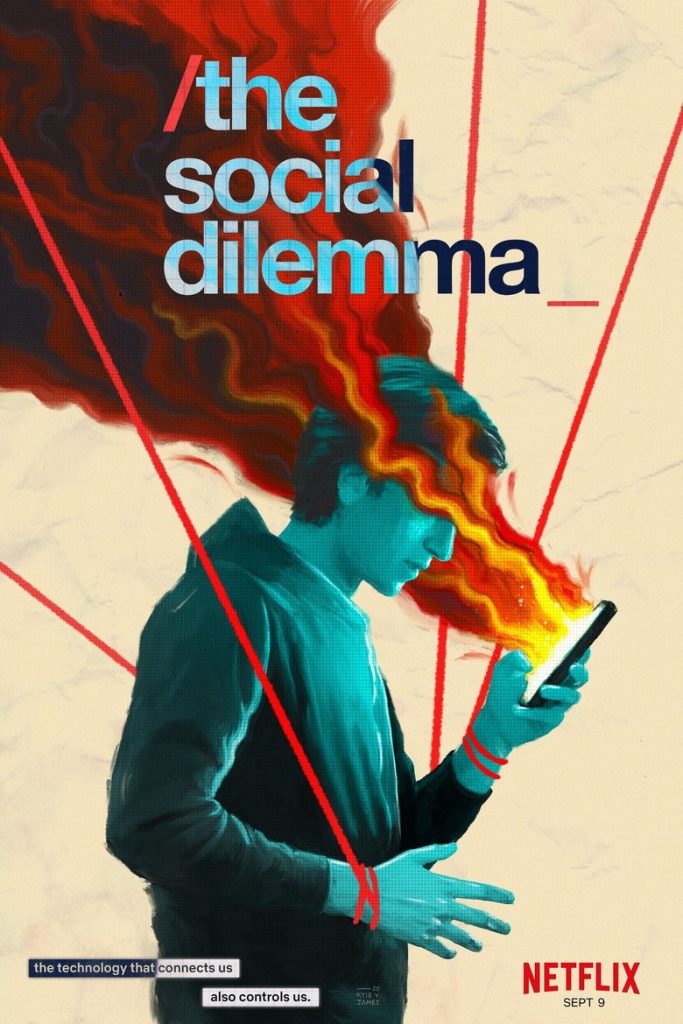
Story overview
The Social Dilemma is a documentary-drama hybrid that explores the hidden mechanisms behind social media platforms and their impact on society. It features interviews with tech insiders who helped build these platforms, combined with dramatized scenarios showing how algorithms manipulate user behavior. The film examines issues like addiction, misinformation, political polarization, and mental health effects, particularly on younger users.
Parent Guide
Educational documentary about social media's societal impact with some intense dramatized scenarios.
Content breakdown
Dramatized scenes show family tension and emotional distress related to social media use.
Discussion of mental health impacts, addiction, and societal manipulation may concern sensitive viewers.
Occasional mild language in interviews and dramatizations.
No sexual content or nudity.
No substance use depicted.
Themes of manipulation, polarization, and technology's impact on mental health create thoughtful tension.
Parent tips
This film provides an excellent opportunity to discuss digital literacy and healthy technology habits with children. Consider watching together with tweens and teens to facilitate conversations about social media use. The documentary presents complex concepts about algorithms and data privacy in accessible ways, but some dramatized scenes might feel intense for younger viewers.
Parents should be prepared to discuss how social media platforms are designed to capture attention and influence behavior. The film raises important questions about privacy, mental health, and the ethical responsibilities of technology companies. These conversations can help children develop critical thinking skills about their own digital consumption.
Parent chat guide
Encourage children to think about how they use social media and what changes they might want to make. Discuss practical strategies like turning off notifications, setting time limits, or being more selective about what content they engage with. Emphasize that technology is a tool that should serve their needs rather than control their attention.
Parent follow-up questions
- What do you like to do on screens?
- How do you feel when you watch videos or play games?
- What are some fun things we can do without screens?
- What do you think social media is for?
- How do you decide what games or apps to use?
- What are some good rules for using tablets or phones?
- What surprised you most about how social media works?
- How do you think apps try to keep you using them longer?
- What are some ways to use technology that make you feel good versus not so good?
- How do you see social media affecting your friendships or mood?
- What changes would you make to social media platforms if you could?
- How can we balance staying connected online with being present offline?
🎭 Story Kernel
The Social Dilemma isn't about Mark Zuckerberg or Facebook's origin story—it's about the invisible architecture of manipulation we've all agreed to inhabit. The film argues that social media platforms aren't neutral tools but carefully engineered environments designed to exploit human psychology for profit. Through former tech insiders' confessions, it reveals how algorithms prioritize engagement over truth, creating addiction loops that erode democracy, mental health, and social cohesion. The dramatized family storyline shows how these systems fragment attention spans and relationships in real time. Ultimately, the film presents a chilling paradox: the very tools connecting us are systematically dismantling our capacity for genuine connection and critical thought.
🎬 Visual Aesthetics
The documentary employs a stark visual dichotomy between talking-head interviews and dramatized sequences. The interview segments use clean, corporate aesthetics—neutral backgrounds, sharp lighting—creating a sense of clinical confession. In contrast, the dramatized family scenes feature desaturated colors and claustrophobic framing, visually representing the emotional drain of digital addiction. Most striking is the 'control room' metaphor—three actors representing algorithms manipulating a single user's interface. This visualizes abstract processes as tangible puppeteers, making algorithmic manipulation feel immediate and sinister. The recurring shots of glowing screens in dark rooms create a haunting visual motif of isolation amidst supposed connection.
🔍 Details & Easter Eggs
💡 Behind the Scenes
Director Jeff Orlowski initially planned a climate change documentary but pivoted after hearing tech insiders' stories. Many interviewees—including former Google design ethicist Tristan Harris—initially refused, then agreed anonymously before finally appearing on camera. The dramatized sequences were shot in just five days with a skeleton crew. Notably, no current executives from major social media companies participated despite repeated invitations. The film's team used actual social media metrics and A/B testing principles to design the manipulation scenes, consulting with former engineers to ensure technical accuracy.
Where to watch
Choose region:
- Netflix
- Netflix Standard with Ads
Trailer
Trailer playback is unavailable in your region.