
The Spokeswoman (2020)
Story overview
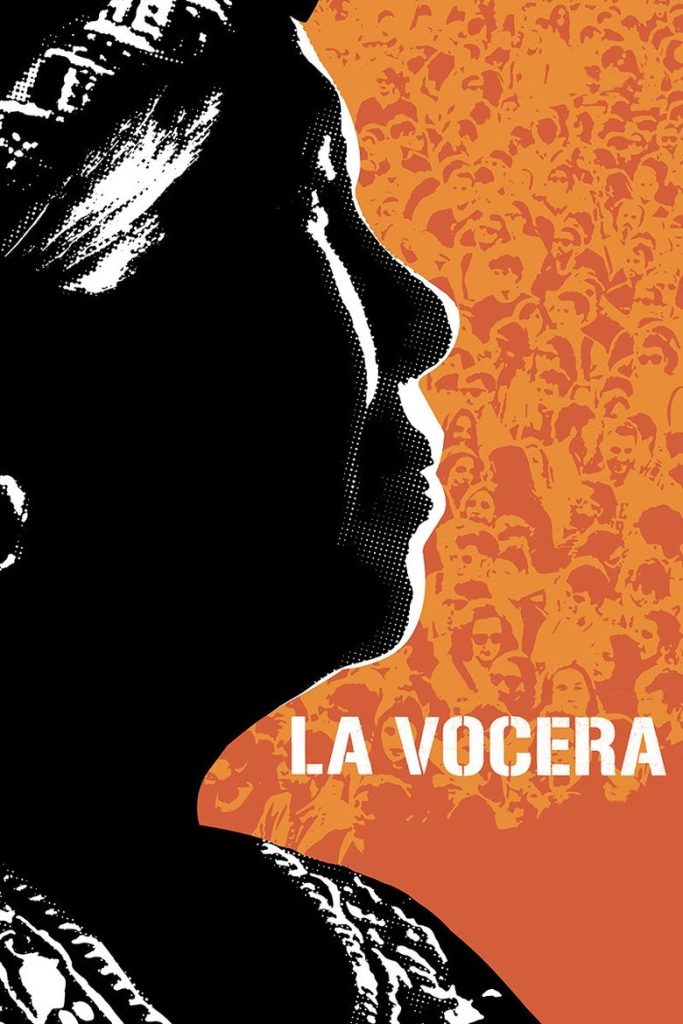
The Spokeswoman is a 2020 Mexican documentary that follows María de Jesús Patricio Martínez, the first indigenous woman to run for president in Mexico. The film documents her journey as a candidate, highlighting the challenges of racism and gender discrimination she faces in a society undergoing change. Through interviews and footage, it explores themes of social justice, political representation, and cultural identity.
Parent Guide
A thought-provoking documentary suitable for older children and teens, with educational value on social issues. Minimal concerning content, but themes require parental discussion.
Content breakdown
No violence or peril depicted. The film focuses on political and social discussions without physical conflict.
Mildly disturbing due to discussions of racism and discrimination, which might be upsetting for sensitive viewers. No graphic or frightening imagery.
No offensive language noted. The documentary features interviews and narration in Spanish, with potential subtitles, but no profanity or harsh terms.
No sexual content or nudity. The film is focused on political and social themes.
No depiction of substance use. The content is strictly documentary-style without such elements.
Moderate emotional intensity due to themes of injustice and discrimination, which may evoke strong feelings. Suitable for guided viewing with parental support.
Parent tips
This documentary is suitable for children aged 8 and up, with parental guidance. It deals with mature themes like racism and discrimination, which may require explanation for younger viewers. The content is educational and non-violent, but discussions about social issues could be intense. Consider watching together to provide context and answer questions.
Parent chat guide
Parent follow-up questions
—
- What did you think about María's journey?
- Why is it important to treat everyone fairly?
- Can you name something you learned from the movie?
- How does the film show racism and discrimination?
- What challenges did María face as an indigenous woman?
- Why do you think representation in politics is important?
- Analyze how the documentary portrays social change in Mexico.
- Discuss the impact of gender and race on political campaigns.
- What broader lessons about activism and justice can be drawn from this film?
🎭 Story Kernel
At its core, 'The Spokeswoman' is less about a crisis and more about the crisis of authenticity in public life. It dissects how institutional power co-opts genuine human emotion, packaging it into a palatable, controllable narrative. The protagonist isn't driven by a desire to help, but by a desperate need to maintain the illusion of helping—to preserve the system's legitimacy and her own position within it. Her internal conflict stems from the growing chasm between the rehearsed empathy of her press conferences and the dehumanizing bureaucratic reality she administers. The film argues that in the modern media state, the most dangerous weapon isn't force, but a perfectly calibrated tear.
🎬 Visual Aesthetics
The film employs a clinical, almost suffocating visual language. The color palette is dominated by sterile blues and grays in government offices, sharply contrasting with the warmer, chaotic tones of flashbacks to the actual disaster site—a visual representation of the distance between reality and its official narrative. The camera often frames the spokeswoman in tight, unflattering close-ups during her speeches, highlighting every micro-expression of insincerity. Conversely, wide, static shots emphasize her isolation in empty corridors, symbolizing her moral vacuum. The action is subdued, with tension built through lingering silences and the ominous hum of newsroom monitors, making the act of speaking feel more violent than any physical confrontation.
🔍 Details & Easter Eggs
💡 Behind the Scenes
The lead actress reportedly spent weeks shadowing real government press secretaries and crisis communicators, studying their speech patterns and physical tells under pressure. Key interior scenes were filmed in an actual decommissioned government building to capture its authentic, impersonal atmosphere. The director mandated that news footage within the film be shot on period-appropriate broadcast cameras to achieve a gritty, verité texture that contrasts with the sleek digital cinematography of the main narrative.
Where to watch
Choose region:
- Netflix
- Netflix Standard with Ads
Trailer
Trailer playback is unavailable in your region.