
The Stephanie Problem (2026)
Story overview
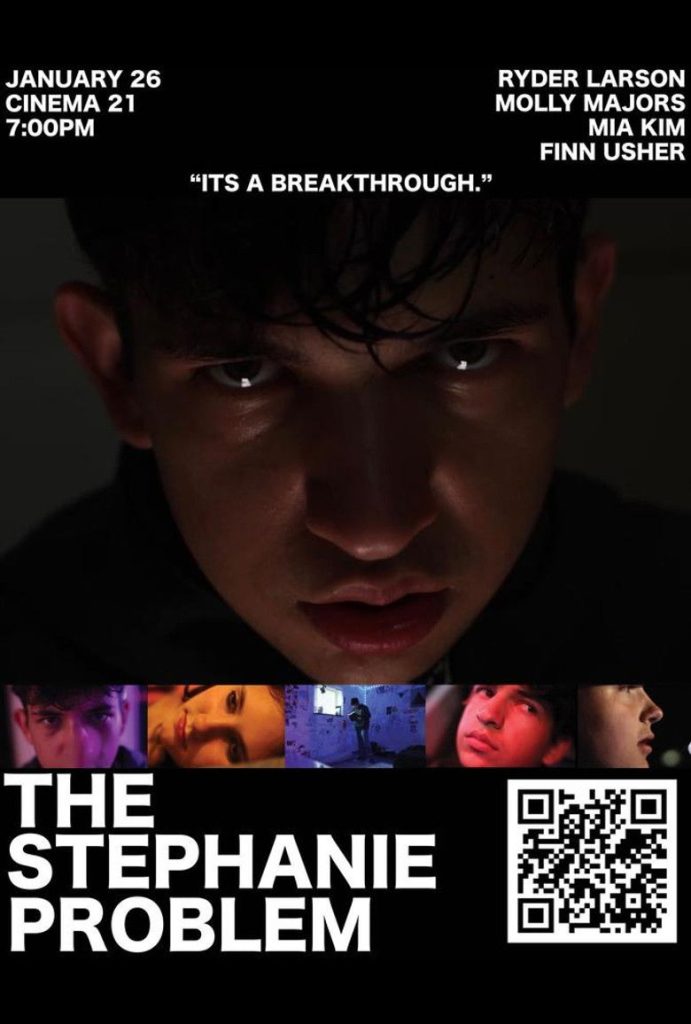
The Stephanie Problem is a 2026 sci-fi psychological drama directed by Ryder Larson. The story follows Oscar (played by Larson), a pessimistic and tightly-wound individual, and Stephanie (Molly Majors), his carefree and big-hearted counterpart. They accidentally gain full access to their dreams and memories, leading them to explore a world where their deepest desires come to life. However, as they delve deeper, reality begins to fracture around them, forcing them to make a devastating choice: preserve the intoxicating dream world or shut it down before their reality collapses completely. The film explores themes of identity, reality versus fantasy, and the consequences of unchecked desires, set against a backdrop of psychological tension and surreal imagery.
Parent Guide
The Stephanie Problem is a thought-provoking sci-fi drama that explores deep psychological themes through a surreal narrative. It is best suited for teenagers and adults due to its complex plot and emotional intensity. The film contains no explicit content but relies on suspense and abstract concepts that may be challenging for younger audiences. Parents should consider their child's maturity level and ability to handle philosophical discussions about reality and identity.
Content breakdown
The film includes scenes of psychological peril as reality fractures, with characters experiencing disorientation and a sense of impending collapse. There is no physical violence, but the tension and surreal danger may be unsettling for sensitive viewers.
Elements include surreal and disorienting imagery, such as shifting realities and fragmented memories, which can be psychologically disturbing. The concept of a world collapsing and characters facing existential threats may provoke anxiety or fear in younger or more impressionable audiences.
No offensive or strong language is present in the film, based on the provided overview and typical genre standards.
The film contains no sexual content or nudity, focusing instead on psychological and emotional themes.
There is no depiction of substance use in the movie.
The film features high emotional stakes as characters grapple with devastating choices and the collapse of their reality. Themes of loss, desire, and identity crisis contribute to a tense and emotionally charged atmosphere that may be intense for some viewers.
Parent tips
This film is suitable for mature children aged 13 and up due to its complex psychological themes and intense emotional moments. It deals with abstract concepts like fractured reality and existential choices, which may be confusing or unsettling for younger viewers. The narrative includes scenes where characters experience disorientation and peril as their world unravels, potentially causing anxiety. Parents should be prepared to discuss the film's exploration of dreams, memories, and the ethical dilemmas posed by altering reality. The movie lacks explicit violence, strong language, or sexual content, but its cerebral and suspenseful nature requires emotional maturity to process.
Parent chat guide
Parent follow-up questions
—
—
- What did you think about Oscar and Stephanie's adventure in their dreams?
- How would you feel if you could visit your memories like they did?
- Why do you think they had to choose between their dream world and real life?
- How does the film use surreal imagery to represent psychological states?
- What commentary does the movie make about the allure of escapism in modern life?
- Discuss the moral implications of altering reality for personal desire.
- How do Oscar and Stephanie's personalities influence their choices in the dream world?
- What might the film suggest about the nature of memory and identity?
Where to watch
Streaming availability has not been announced yet.