
The Stranger (2025)
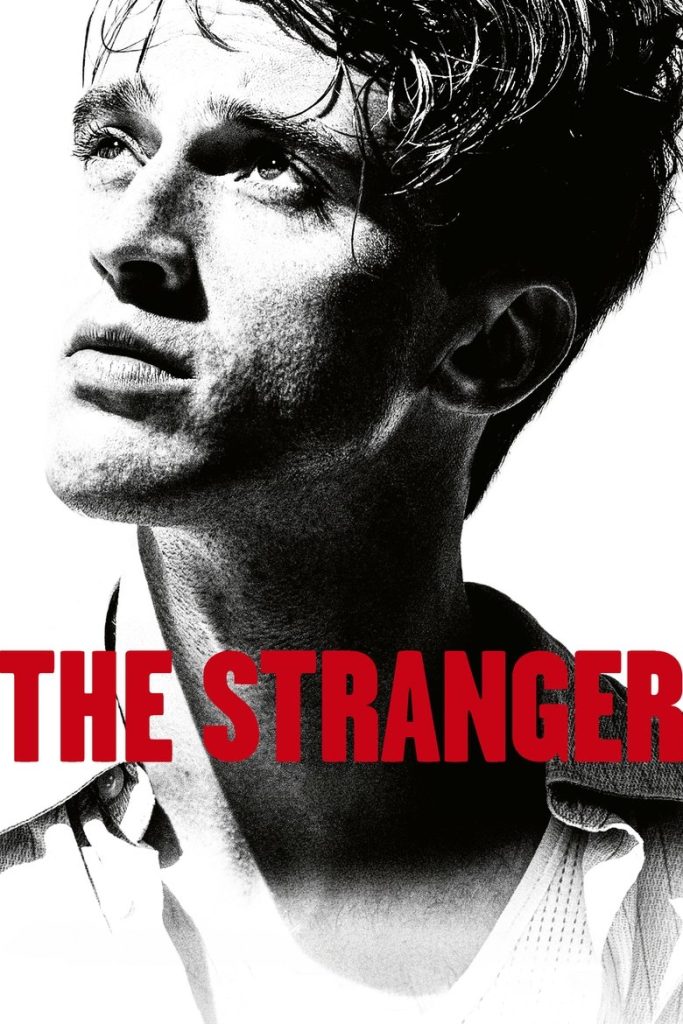
Story overview
Based on Albert Camus' novel 'The Stranger', this French-language drama follows Meursault, a detached young man in 1938 Algiers who attends his mother's funeral without emotion and begins a casual relationship with a coworker. The film explores themes of existentialism, alienation, and societal judgment through his apathetic responses to life events.
Parent Guide
Mature philosophical drama exploring existential themes through an emotionally detached protagonist. Requires intellectual engagement and may be slow-paced for younger viewers.
Content breakdown
Contains a pivotal violent act that occurs off-screen or with minimal graphic detail, consistent with the source material's philosophical exploration of violence.
The protagonist's emotional detachment and moral ambiguity may be psychologically unsettling. Themes of death, existential dread, and societal alienation could disturb sensitive viewers.
French dialogue with philosophical discussions. Subtitles may contain mature concepts but no strong profanity.
Depicts a casual sexual relationship with implied intimacy rather than explicit scenes. May include suggestive situations and discussions of relationships.
Period-appropriate social drinking in 1930s colonial setting. No glorification of substance abuse.
High emotional intensity through philosophical themes of alienation, meaninglessness, and moral ambiguity. The protagonist's detachment creates psychological tension rather than dramatic action.
Parent tips
This philosophical drama requires mature understanding of existential themes. The protagonist's emotional detachment and moral ambiguity may confuse younger viewers. Contains mature themes including death, casual relationships, and societal criticism. Best for teens who can discuss philosophical concepts.
Parent chat guide
Parent follow-up questions
—
—
- Why do you think Meursault didn't cry at his mother's funeral?
- What does it mean to be 'detached' from your feelings?
- How does the film explore existential philosophy through Meursault's actions?
- What commentary does the film make about colonial Algeria in 1938?
- How does the cinematography reflect Meursault's emotional state?
- What is the significance of the sun and heat in the film's symbolism?
Where to watch
Choose region:
- Amazon Video
Trailer
Trailer playback is unavailable in your region.