
The Stroll (2023)
Story overview
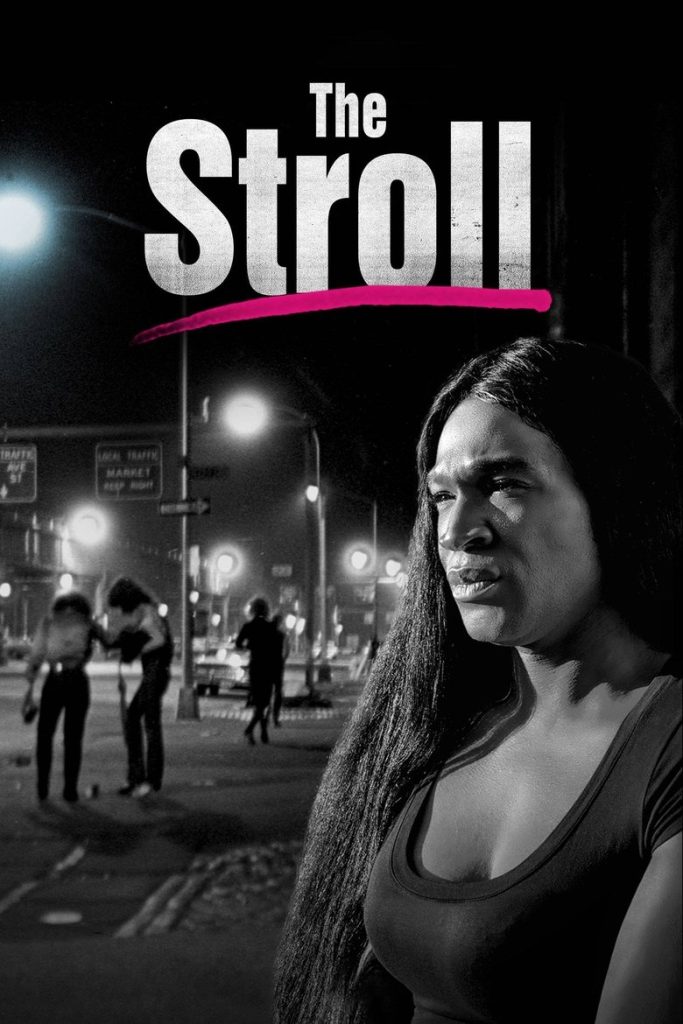
The Stroll is a 2023 documentary that explores the history of New York's Meatpacking District through the firsthand accounts of transgender sex workers who lived and worked there. Directed by Zackary Drucker and Kristen Parker Lovell, the film follows Lovell as she reunites with her community to share their experiences of violence, policing, homelessness, and gentrification, highlighting their resilience and role in building the transgender rights movement.
Parent Guide
This documentary is best suited for mature audiences due to its frank discussion of adult themes. It offers valuable insights into transgender history and activism but contains content that may be distressing or confusing for younger viewers.
Content breakdown
Includes descriptions and discussions of violence, such as police brutality, assaults, and threats faced by transgender individuals. No graphic visuals, but the accounts are explicit and emotionally charged.
Themes of discrimination, homelessness, and survival in harsh conditions may be disturbing. Personal stories of trauma and marginalization are central to the narrative.
May include occasional strong language or slang related to the context, but not pervasive. Focus is on personal narratives rather than explicit profanity.
Discusses sex work and sexuality in a documentary context, with references to adult activities. No explicit nudity or sexual scenes, but themes are integral to the story.
May include references to substance use as part of the historical context or personal experiences, but not a central focus or glorified.
High emotional intensity due to personal accounts of hardship, resilience, and social injustice. Viewers may feel sadness, anger, or inspiration from the stories shared.
Parent tips
This documentary addresses mature themes including sex work, violence, discrimination, and systemic challenges faced by transgender individuals. It includes discussions of police brutality, homelessness, and community activism. Parents should preview the film to assess its suitability for their children, as it contains candid personal stories that may be emotionally intense or require context about social justice issues.
Parent chat guide
Parent follow-up questions
—
—
- What does it mean to be transgender?
- How can we support people who are treated unfairly?
- What is a community, and why is it important?
- How did the experiences of transgender sex workers shape the fight for rights?
- What role does gentrification play in displacing marginalized communities?
- How can documentaries like this influence public perception and policy?
- What are the ongoing challenges for transgender rights today?
🎭 Story Kernel
The Stroll is a profound act of communal storytelling that centers the lives of transgender women of color who were pushed to the margins of Manhattan’s Meatpacking District. Through the lens of co-director Kristen Lovell’s own lived experience, the film explores how this specific geographic area served as both a site of economic survival and a crucible of systemic violence. It expresses the tension between the necessity of sex work and the desire for dignity in a society that criminalized trans existence. The documentary shifts the narrative from one of tragedy to one of agency, highlighting how these women built a chosen family and a distinct culture amidst the aggressive gentrification that eventually erased their physical presence. It is a testament to the resilience required to exist in a space that no longer remembers you, reclaiming a history that was nearly lost to time.
🎬 Visual Aesthetics
The film’s visual language is a striking collage of gritty archival footage, home movies, and contemporary interviews that bridge the gap between the past and the present. The use of grainy, low-resolution video from the 1990s serves as a haunting reminder of the era’s surveillance and the raw reality of the streets. Directors Drucker and Lovell utilize a color palette that feels both nostalgic and urgent, often contrasting the neon-lit, nocturnal world of the original Stroll with the sterile, high-end boutiques that now occupy the same geography. Symbolically, the recurring imagery of the cobblestone streets acts as a literal and metaphorical foundation—a hard, unforgiving surface that bore witness to their struggle. The cinematography captures the subjects with a reverent intimacy, using close-ups that emphasize the wisdom and weariness in their eyes, effectively reclaiming the gaze from the exploitative media of the past.
🔍 Details & Easter Eggs
💡 Behind the Scenes
Kristen Lovell’s journey to making this film began while she was working as an actress and was interviewed for the 2007 documentary 'The Garden.' Realizing that trans stories were almost exclusively told by outsiders, she spent over a decade conceptualizing a project where the community could tell its own history. The film won the Special Jury Award for Clarity of Vision at the 2023 Sundance Film Festival. Zackary Drucker, a renowned artist and producer of 'Transparent,' brought her expertise in trans-centric storytelling to the collaboration. The production relied heavily on the trust Lovell had built within the community, allowing for unprecedented access to personal archives.
Where to watch
Choose region:
- HBO Max
Trailer
Trailer playback is unavailable in your region.