
The Substance (2024)
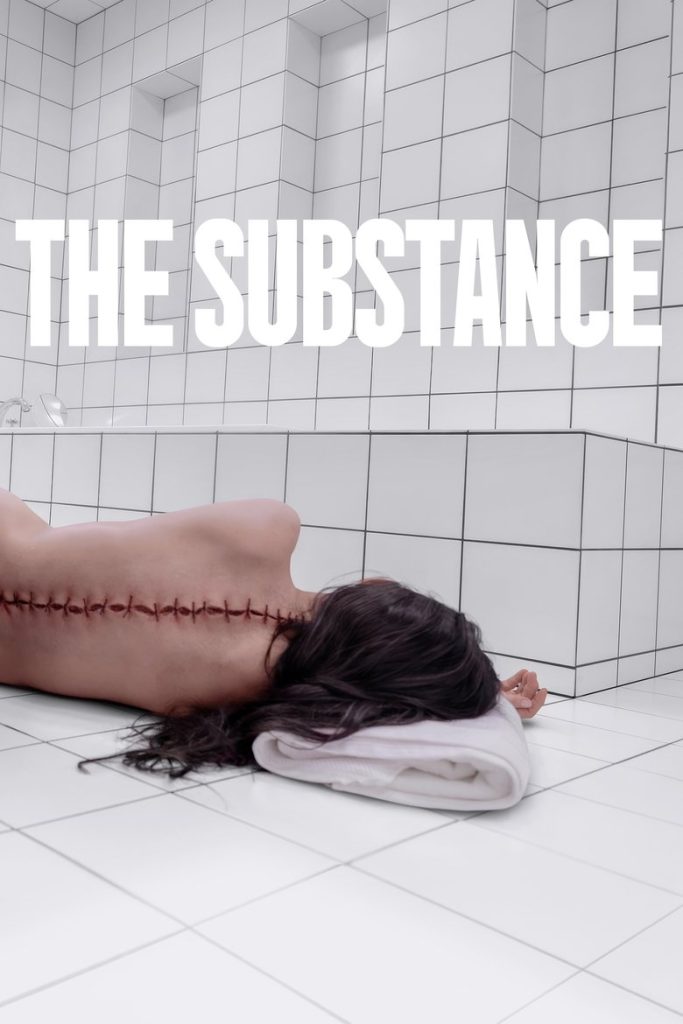
Story overview
The Substance is a 2024 horror-science fiction thriller that explores unsettling themes through a speculative lens. The film likely involves elements of body horror or psychological terror, blending futuristic concepts with intense suspense. Given its R rating and genres, it probably contains mature content that pushes boundaries in disturbing ways.
Parent Guide
This R-rated horror-science fiction thriller contains mature content unsuitable for viewers under 17. The combination of genres suggests intense, potentially graphic material.
Content breakdown
Likely contains intense violence, peril, or body horror typical of R-rated horror and thriller genres.
Expected to have highly frightening and disturbing imagery, psychological terror, and unsettling concepts.
May contain strong language consistent with R-rated films, though specific content unknown.
Possible sexual content or nudity given the R rating, though extent unknown without specific details.
May include substance use references, but not confirmed without specific content information.
Likely creates high emotional intensity through horror, suspense, and psychological elements.
Parent tips
This R-rated horror-sci-fi thriller is not suitable for children or young teens. The combination of horror, science fiction, and thriller genres suggests intense, potentially graphic content that could be psychologically disturbing. Parents should consider the R rating as a strong indicator of mature themes, violence, and frightening sequences that require viewer discretion.
If considering this for older teens (17+), preview the film first or research specific content warnings. The science fiction elements might involve body horror or existential terror that could linger beyond viewing. Discuss boundaries with teens about what content they find manageable in horror media.
Parent chat guide
Help teens process any disturbing imagery by talking through why filmmakers use such content and what messages they might be conveying. Encourage critical thinking about horror as a genre that often explores societal fears through metaphor. Remind them that it's okay to feel unsettled and to take breaks if content becomes overwhelming.
Parent follow-up questions
- What makes you feel safe when you're scared?
- Can you tell me about a happy dream you had?
- What's your favorite thing to do when you want to feel better?
- Who helps you when you feel afraid?
- What makes you feel brave?
- What do you do when a movie feels too scary?
- How can you tell if something on screen is real or pretend?
- What's the difference between fun-scary and too-scary in movies?
- Who would you talk to if a movie bothered you?
- What helps you feel calm after something frightening?
- What makes horror movies frightening versus just suspenseful?
- How do special effects create scary moments in films?
- Why do you think people enjoy being scared by movies sometimes?
- What boundaries do you have for scary content you watch?
- How can you prepare yourself before watching something intense?
- What themes in horror-sci-fi films reflect real-world anxieties?
- How does this film use genre elements to create psychological impact?
- What responsibility do filmmakers have when depicting disturbing content?
- How do you process intense media without letting it affect your wellbeing?
- What makes certain horror concepts more unsettling than others?
🎭 Story Kernel
At its core, "The Substance" is a grotesque satire of Hollywood’s obsession with youth and the internalized misogyny that forces women to cannibalize their own identities. Elisabeth Sparkle, a fading fitness icon, represents the tragic desperation of those discarded by a patriarchal industry once they pass an arbitrary expiration date. The film explores the "othering" of the self; by injecting the substance to create a "better" version (Sue), Elisabeth doesn't find liberation, but rather a parasitic relationship where her two selves compete for dominance. It is a profound meditation on the impossibility of the "perfect" female form and the psychological fragmentation that occurs when one's value is tied solely to external validation. Fargeat argues that the real horror isn't the physical mutation, but the societal pressure that makes such a mutation seem like a viable choice.
🎬 Visual Aesthetics
Coralie Fargeat employs a hyper-stylized, maximalist aesthetic that oscillates between sterile perfection and visceral decay. The cinematography by Benjamin Kracun utilizes extreme close-ups—often focusing on skin textures, needles, and food—to create a sense of tactile discomfort. The color palette is deliberate: the vibrant, clinical yellows of the fitness studio contrast sharply with the deep, arterial reds of the film’s final act. Wide-angle lenses are used to distort the environment, mirroring Elisabeth’s warping psyche and the predatory nature of the camera's gaze. The visual language draws heavily from body horror masters like Cronenberg and Lynch, yet maintains a distinct, neon-soaked modernity. Every frame is designed to make the viewer feel the physical cost of Sue’s existence, turning the screen into a canvas of stretching skin and rupturing flesh that demands attention.
🔍 Details & Easter Eggs
💡 Behind the Scenes
The Substance marked a significant career resurgence for Demi Moore, who received widespread critical acclaim for her fearless and physically demanding performance. Director Coralie Fargeat won the Best Screenplay award at the 2024 Cannes Film Festival, where the film’s graphic body horror reportedly caused both standing ovations and walkouts. The production relied heavily on practical effects rather than CGI to achieve its most gruesome moments, emphasizing a tangible, organic horror. Originally, Ray Liotta was cast as the executive Harvey but passed away before filming; Dennis Quaid stepped into the role as a tribute to Liotta.
Where to watch
Choose region:
- HBO Max
- HBO Max Amazon Channel
- Amazon Video
- Apple TV
- Fandango At Home
Trailer
Trailer playback is unavailable in your region.