
The Sunset Limited (2011)
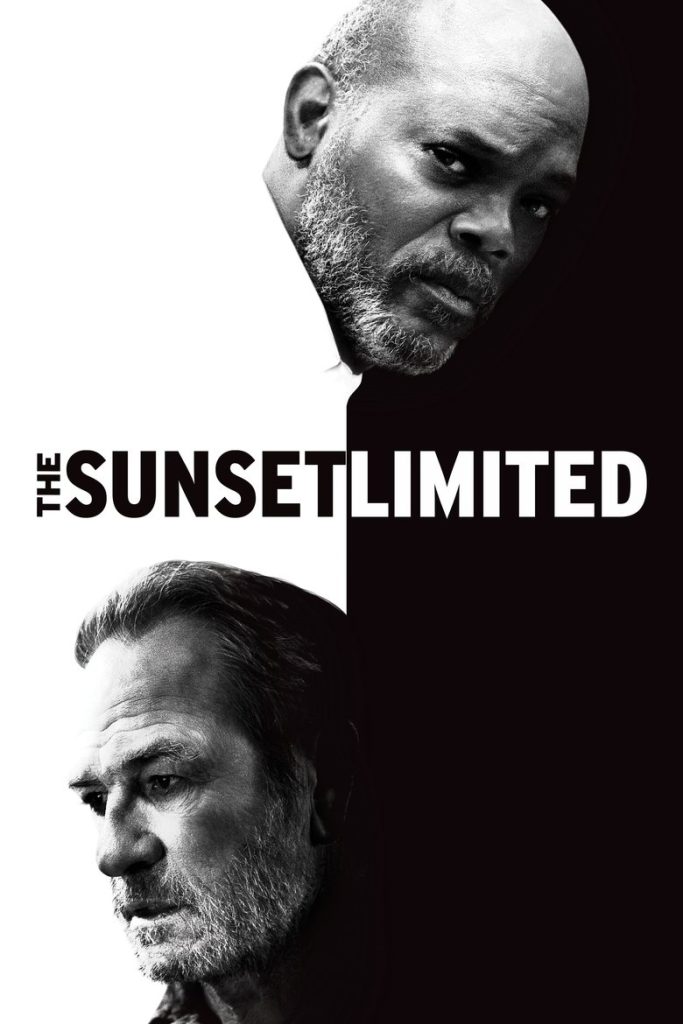
Story overview
The Sunset Limited is a 2011 TV movie drama that explores a profound philosophical conversation between two men. The entire film takes place in a single room as they debate life, faith, and existential questions. Their intense dialogue forms the core of this character-driven story.
Parent Guide
A philosophical drama featuring intense dialogue about existential themes. Best suited for mature teens and adults due to abstract content and emotional weight.
Content breakdown
No physical violence or action sequences. The tension is entirely verbal and philosophical.
Contains discussions of suicide, existential despair, and religious questioning that could be emotionally heavy for sensitive viewers.
May contain some mature language appropriate to the intense conversation, but not excessive.
No sexual content or nudity present.
No substance use shown or discussed.
High emotional intensity due to deep philosophical debates about life, death, and faith between two characters.
Parent tips
This film is rated TV-MA for mature themes and intense dialogue. The entire movie consists of two men having a deep philosophical discussion about life, death, and faith, which may be too abstract for younger viewers. Parents should be aware that the conversation touches on existential despair and religious questioning that could be emotionally heavy for children.
Parent chat guide
Parent follow-up questions
- What did you notice about where the story happened?
- How did the two men talk to each other?
- What colors did you see in the room?
- Did you hear any music in the movie?
- What was your favorite part of watching?
- What were the two men talking about?
- How did they feel about their conversation?
- Why do you think they stayed in one room?
- What questions would you ask the characters?
- How was this movie different from other movies you've seen?
- What different viewpoints did the characters have?
- What do you think they were trying to understand about each other?
- How did the setting affect the story?
- What big questions about life did they discuss?
- What did you learn about how people communicate?
- What philosophical questions did the film raise about existence?
- How did the characters' backgrounds influence their perspectives?
- What did you think about the film's minimalist approach to storytelling?
- How did the conversation evolve throughout the film?
- What did the ending suggest about their resolution?
🎭 Story Kernel
The film is a raw, philosophical duel about the fundamental human need for meaning. It's not about convincing the other, but about exposing the core wounds that drive their opposing worldviews. White, the professor, is driven by intellectual despair—a logical conclusion that life's suffering renders it meaningless. Black, the ex-con, is driven by a desperate, experiential faith—his redemption through God is the only anchor preventing his return to violence. The real conflict isn't faith versus atheism, but whether connection (Black's offered friendship) can be a valid answer to existential horror when reason fails. The devastating ending reveals White's nihilism as an unshakable, almost religious conviction in itself.
🎬 Visual Aesthetics
The film is a masterclass in claustrophobic theatricality. The camera is largely static, framing the men in a tight, dilapidated New York apartment that becomes a metaphysical battleground. The color palette is drained—muted browns, grays, and the sickly yellow of a single bulb—mirroring White's bleak worldview. The 'action' is entirely verbal, with the camera's rare movements (slow pushes into a face) acting as emotional punctuation marks. The locked door and the window with its view of the mundane street outside are potent symbols: one represents White's trapped psyche, the other the ordinary world whose meaning he rejects.
🔍 Details & Easter Eggs
💡 Behind the Scenes
The film is an adaptation of Cormac McCarthy's 2006 play, directed by Tommy Lee Jones who also stars as White. Samuel L. Jackson plays Black. It was shot in just a few weeks, essentially as a filmed play, with the intense, page-long dialogue exchanges requiring immense preparation from the two leads. The entire narrative unfolds in real-time within the single apartment set, emphasizing the theatrical, pressure-cooker nature of the philosophical confrontation.
Where to watch
Choose region:
- HBO Max
- HBO Max Amazon Channel
- Amazon Video
- Apple TV
- Google Play Movies
- YouTube
- Fandango At Home
Trailer
Trailer playback is unavailable in your region.