
The Swamp (2020)
Story overview
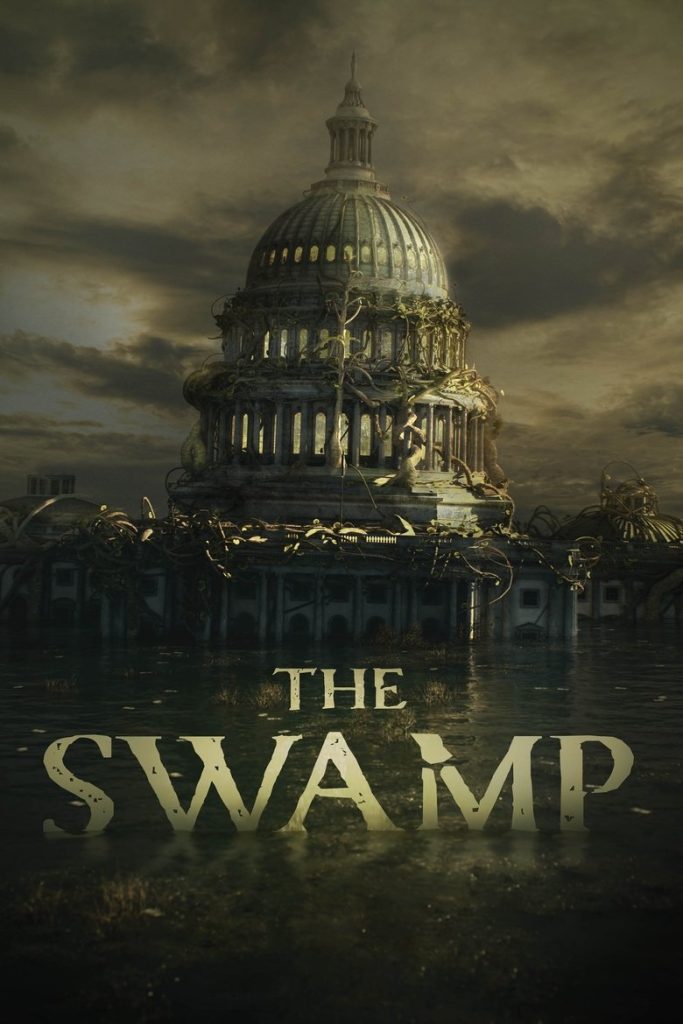
The Swamp is a 2020 documentary that provides an inside look at Washington politics, following three Republican Congressmen who champion libertarian and conservative ideals in response to the call to 'drain the swamp.' It explores political processes, ideologies, and the challenges of governance in a non-fiction format.
Parent Guide
A political documentary suitable for mature children with interest in government; contains discussions of political conflict but no inappropriate content.
Content breakdown
No physical violence or peril; includes political tension and ideological conflicts.
No scary or disturbing imagery; focuses on political discourse and documentary footage.
May include mild political rhetoric or occasional strong language typical of political debates; no explicit profanity noted.
No sexual content or nudity.
No depiction of substance use.
Moderate emotional intensity due to political debates and conflicts; may evoke strong opinions but not distress.
Parent tips
This documentary focuses on political themes and may be suitable for older children interested in government or current events. It contains discussions of political conflict and ideological debates, but no graphic content. Consider watching together to explain complex political concepts.
Parent chat guide
Parent follow-up questions
—
- What do you think politicians do?
- Have you heard about the government before?
- What does 'drain the swamp' mean to you?
- Can you name different political ideas mentioned?
- How does this documentary show political conflicts?
- What are the pros and cons of the approaches shown?
🎭 Story Kernel
At its core, 'The Swamp' is less about political corruption and more about institutional inertia—the terrifying machinery of government that grinds down idealism into compliance. The characters aren't driven by greed or power lust, but by the desperate need to maintain the system's fragile equilibrium. Each protagonist becomes trapped in the very bureaucracy they sought to navigate, revealing how the swamp doesn't corrupt people so much as reveal their willingness to be corrupted for stability's sake. The real conflict isn't between good and evil, but between action and inaction within an apparatus designed to neutralize both.
🎬 Visual Aesthetics
The film employs a deliberately claustrophobic visual language—tight shots in sterile government offices create a sense of entrapment that mirrors the narrative. A muted color palette dominated by grays and beiges visually drains the world of vitality, making the rare moments of outdoor scenes feel almost jarringly vibrant. Camera movements are minimal and controlled, mirroring bureaucratic precision, until key moments when handheld shots introduce human anxiety. The most striking visual metaphor appears in repeated shots of characters reflected in office windows, trapped between their public personas and private dilemmas.
🔍 Details & Easter Eggs
💡 Behind the Scenes
The film was shot almost entirely in actual government buildings after hours, lending an authentic, unpolished texture to every scene. Several supporting actors were former civil servants who brought firsthand experience to their roles. Director María Alché insisted on using natural lighting in office scenes, resulting in lengthy shooting schedules to capture specific times of day. The script underwent significant revisions after the lead actor spent a week shadowing a mid-level bureaucrat, incorporating observed mannerisms and speech patterns.
Where to watch
Choose region:
- HBO Max
- HBO Max Amazon Channel
- Amazon Video
- Apple TV Store
- Google Play Movies
- YouTube
- Fandango At Home
Trailer
Trailer playback is unavailable in your region.