The Swan (2023)
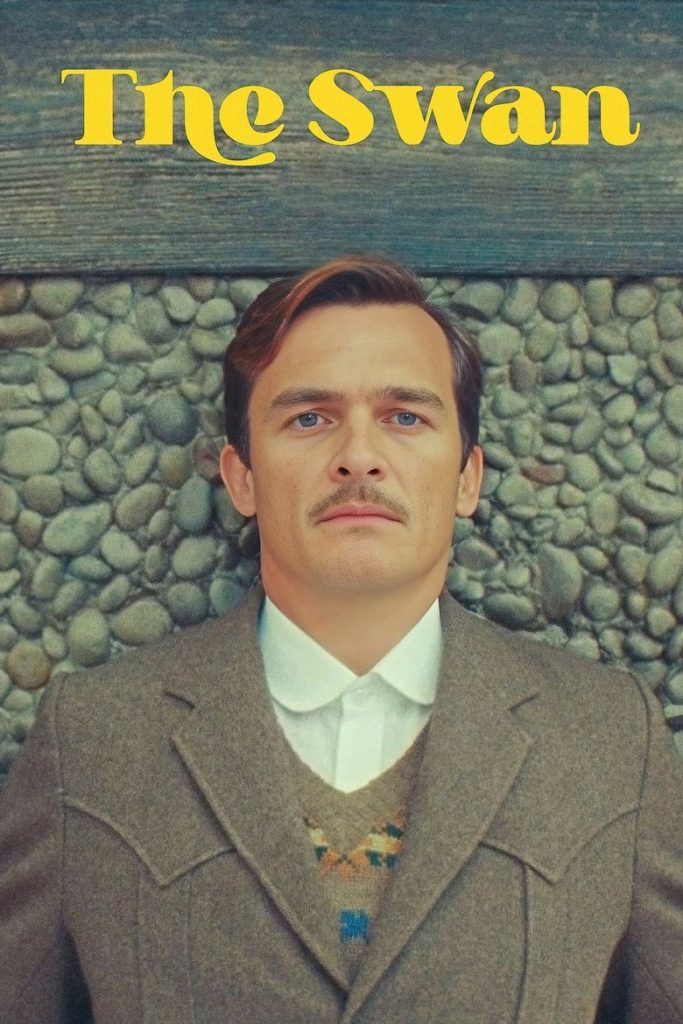
Story overview
Based on Roald Dahl's short story, this 2023 Wes Anderson film follows a small, intelligent boy who becomes the target of two large, ignorant bullies. The 17-minute drama explores themes of bullying, resilience, and the power of intellect over brute force through Anderson's distinctive visual style.
Parent Guide
A stylized adaptation of Roald Dahl's story about bullying and resilience, suitable for most children ages 8+ with parental guidance for discussion.
Content breakdown
Psychological bullying and pursuit by larger characters creates tension, but no physical violence is shown. The bullies threaten and intimidate the protagonist.
The bullying situation and the boy's vulnerability may be unsettling for younger viewers. The pursuit creates suspense but is handled in Wes Anderson's characteristic stylized manner.
No offensive language noted in this PG-rated short film.
No sexual content or nudity present.
No substance use depicted.
Themes of bullying and being pursued create emotional tension. The protagonist's vulnerability and the bullies' intimidation generate moderate intensity, balanced by the story's resolution celebrating intelligence.
Parent tips
This PG-rated short film contains bullying themes that may be upsetting for sensitive viewers. The bullies' pursuit creates tension, but the story ultimately celebrates intelligence and resilience. Consider watching with children ages 8+ to discuss how the protagonist handles adversity.
Parent chat guide
Parent follow-up questions
- Did the boy look scared? How did he feel?
- Were the big people being nice or mean?
- Why do you think the bullies picked on the boy?
- What made the boy special compared to the bullies?
- How does the film show that intelligence can overcome physical strength?
- What message do you think Roald Dahl wanted to share about bullying?
- How does Wes Anderson's visual style affect how we perceive the bullying?
- What does this story reveal about societal attitudes toward intelligence versus physicality?
🎭 Story Kernel
The Swan is a harrowing exploration of senseless cruelty and the resilience of the human spirit. Based on Roald Dahl’s short story, it follows Peter Watson, a gentle boy tormented by two older bullies armed with a rifle. Unlike Anderson’s typically symmetrical comedies, this narrative dives into the darkness of childhood trauma and the arbitrary nature of malice. The film expresses the idea that while innocence can be physically crushed, the internal will to endure—and perhaps even transcend—remains untouchable. It is a meditation on the 'unconquerable spirit' of a victim who refuses to be broken by the mindless violence of his peers. By framing the story through an adult narrator reflecting on his younger self, Anderson highlights how these formative moments of terror linger long after the physical wounds have healed, shaping the very core of one's identity.
🎬 Visual Aesthetics
Anderson employs a minimalist, theatrical aesthetic that prioritizes narrative clarity over cinematic spectacle. The film utilizes a 'stage-craft' style where sets are moved by stagehands in real-time and props are often symbolic rather than literal. The color palette is uncharacteristically somber, dominated by muted greens, browns, and grays that reflect the bleakness of the English countryside and the grim subject matter. The cinematography relies on Anderson’s signature flat compositions and tracking shots, but here they serve to trap the protagonist within the frame, mirroring his helplessness. The use of a narrator who walks through the scenes he is describing creates a surreal, Brechtian distancing effect. This visual artifice forces the audience to focus on the psychological weight of the words and the choreographed movements, turning a simple field into a site of profound existential dread.
🔍 Details & Easter Eggs
💡 Behind the Scenes
The Swan is one of four short films directed by Wes Anderson for Netflix, all adapted from Roald Dahl’s stories. It was filmed back-to-back with The Wonderful Story of Henry Sugar, Poison, and The Rat Catcher. This project marks Anderson's second major foray into Dahl’s bibliography following his 2009 stop-motion feature, Fantastic Mr. Fox. The production utilizes a repertory-style cast, with Rupert Friend and Ralph Fiennes appearing in multiple roles across the anthology. The film’s unique visual style was heavily influenced by the mechanics of traditional theater, aiming to preserve the literary voice of Dahl’s original prose.
Where to watch
Choose region:
- Netflix
- Netflix Standard with Ads