
The Tale (2018)
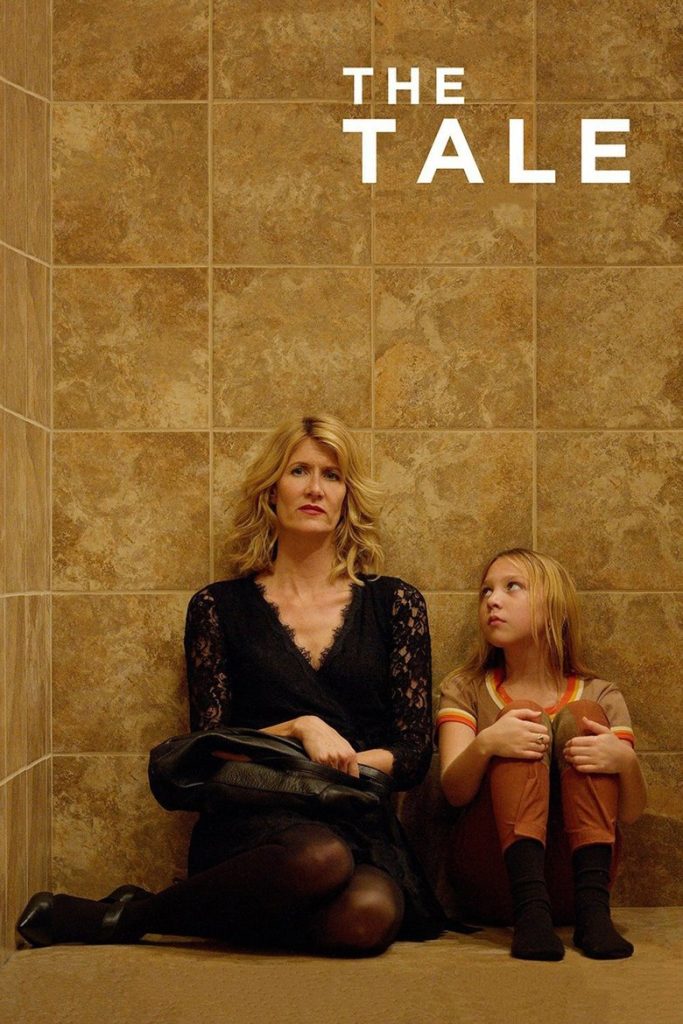
Story overview
The Tale is a 2018 drama mystery film that explores complex themes of memory and personal history. It follows a woman's journey as she reexamines her past experiences through a contemporary lens. The narrative unfolds with emotional depth as it navigates difficult subject matter.
Parent Guide
This mature drama deals with complex psychological themes and is rated TV-MA for adult audiences.
Content breakdown
Psychological tension and emotional conflict rather than physical violence.
Themes of trauma and difficult memories may be emotionally challenging.
General mature language appropriate for the TV-MA rating.
Themes related to relationships and intimacy are present.
No significant substance use depicted.
High emotional content dealing with difficult personal experiences.
Parent tips
This film deals with mature themes including trauma and memory, making it most suitable for older teens and adults. Parents should be aware that the TV-MA rating indicates content specifically designed for mature audiences. Consider watching it yourself first to determine if it's appropriate for your family.
Parent chat guide
Parent follow-up questions
- What was your favorite part of the movie?
- Who was the main character?
- What colors did you see in the movie?
- What was the story about?
- How did the characters feel in different scenes?
- What did you learn from this movie?
- How does the movie handle memories from the past?
- What challenges did the main character face?
- Why do you think the director chose this story to tell?
- How does the film explore the concept of personal truth?
- What techniques does the movie use to show different perspectives on memory?
- How does the main character's understanding of her past evolve throughout the film?
🎭 Story Kernel
The film's core theme is the treacherous architecture of memory, particularly how trauma reshapes narrative to ensure survival. Jennifer Fox's journey isn't about uncovering 'what happened' but dismantling the story she built to endure it. The film argues that we don't recall events; we recall the last time we remembered them, and for survivors, that memory is often a palimpsest written by the abuser. The characters are driven by the desperate need to reconcile the 'loving' memory of a relationship with the brutal reality of its predation, exposing how grooming corrupts the very tools—storytelling, trust, affection—a child uses to understand the world.
🎬 Visual Aesthetics
The visual language masterfully embodies memory's unreliability. The film fluidly shifts between three distinct visual textures: the crisp, anxious present-day scenes; the gauzy, golden-hued 'memory' sequences filmed like a romantic coming-of-age tale; and the stark, handheld, desaturated glimpses of the actual abuse. This isn't just showing past vs. present; it's visually representing the seductive lie (the golden memory) versus the hidden truth (the grim reality). The camera often feels like a searching, subjective gaze, closing in on details—a hand, a face—as Jennifer pieces her past together, making the viewer complicit in the reconstruction.
🔍 Details & Easter Eggs
💡 Behind the Scenes
The film is writer-director Jennifer Fox's autobiographical account. Laura Dern, who plays the adult Jennifer, was given Fox's actual childhood diaries and audio recordings from therapy to prepare. The young Jenny is played by two actresses (Isabelle Nélisse and Jessica Sarah Flaum) to visually fracture the identity of the remembered child. Fox insisted on shooting the 'golden memory' sequences on 16mm film to give them a tangible, nostalgic texture distinct from the digital present, a deliberate aesthetic choice to make the false memories feel more 'real' and appealing than the truth.
Where to watch
Choose region:
- HBO Max
- HBO Max Amazon Channel
- Amazon Video
- Google Play Movies
- YouTube
- Fandango At Home
Trailer
Trailer playback is unavailable in your region.