
The Tale of The Princess Kaguya (2013)
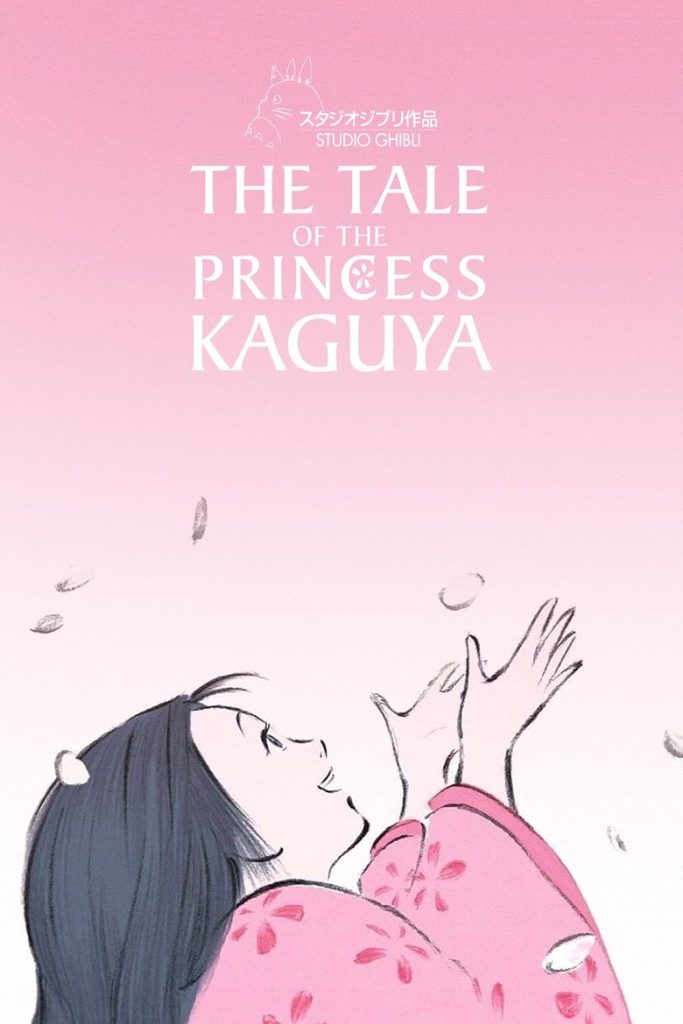
Story overview
This animated film tells the story of a tiny girl discovered inside a bamboo stalk by an elderly couple. She grows rapidly into a beautiful young woman who captivates everyone she meets. The story explores themes of nature, identity, and destiny as she navigates her unusual origins and eventual fate.
Parent Guide
A beautiful but emotionally mature animated film exploring themes of identity, destiny, and growing up through traditional Japanese storytelling.
Content breakdown
Some emotional peril and tension as characters face difficult choices and confrontations.
Mildly disturbing themes of loss, separation, and existential questions that may unsettle sensitive viewers.
No offensive language present.
No sexual content or nudity.
No substance use depicted.
Strong emotional themes involving identity, destiny, and bittersweet endings that may be intense for younger viewers.
Parent tips
This is a beautifully animated but emotionally complex film that deals with themes of identity, societal expectations, and mortality. The 137-minute runtime and contemplative pacing may challenge younger viewers' attention spans. While visually stunning, the film's exploration of loss and destiny could be emotionally intense for sensitive children.
The PG rating reflects some mature themes and emotional moments rather than any graphic content. Parents should be prepared to discuss the film's philosophical questions about life's purpose and the bittersweet nature of human existence. The animation style is unique and artistic, differing from more conventional animated films children might be accustomed to.
Parent chat guide
Encourage children to express their feelings about the story's ending and what they think it means. Relate the themes to children's own experiences with growing up and making decisions. Ask open-ended questions about what makes someone special and how we balance our own desires with what others expect from us.
Parent follow-up questions
- What was your favorite part of the movie?
- How did the little girl grow so fast?
- What made the princess special?
- How did the old couple feel about the girl?
- What colors did you like in the movie?
- Why do you think the princess came from the bamboo?
- How did the princess feel about living in the palace?
- What does it mean to have a 'destiny'?
- Why did different people want to marry the princess?
- What made the princess happy or sad?
- What does the film say about nature versus civilization?
- How does the princess's rapid growth symbolize growing up?
- What sacrifices did the princess make for others?
- How does the film explore the concept of home?
- What messages about beauty and worth does the film convey?
- How does the film critique societal expectations of women?
- What philosophical questions about existence does the film raise?
- How does the animation style enhance the storytelling?
- What cultural values from traditional Japan are reflected in the film?
- How does the ending comment on the human condition?
🎭 Story Kernel
At its core, 'The Tale of The Princess Kaguya' is a profound exploration of authenticity versus societal imposition. The film's true conflict isn't supernatural but psychological: a being of pure nature forced into the rigid mold of human civilization. Kaguya's journey from bamboo stalk to imperial prize reveals how society systematically erases individuality through education, etiquette, and marriage markets. Her parents' well-intentioned but destructive ambition to make her 'happy' through status becomes a prison of silk and ceremony. The film's heartbreaking conclusion—her return to the moon—isn't an escape but a surrender, suggesting that true freedom might be impossible within human constructs that value form over essence.
🎬 Visual Aesthetics
The film's visual language performs a stunning rebellion against Ghibli's own polished aesthetic. Using rough charcoal-like lines and watercolor washes that bleed outside their borders, director Isao Takahata creates a world that feels alive, imperfect, and transient. The famous 'escape sequence' employs frenetic, sketch-like animation that visually shatters the elegant prison Kaguya inhabits. Color acts as emotional punctuation: vibrant greens and browns during her rural childhood give way to the muted golds and grays of the capital, culminating in the cold, ethereal blues of her lunar departure. This isn't just animation—it's emotional cartography drawn in real time.
🔍 Details & Easter Eggs
💡 Behind the Scenes
This was director Isao Takahata's final film, completed when he was 78 years old after nearly a decade in production. The distinctive visual style emerged from Takahata's insistence on emulating traditional Japanese sumi-e ink wash painting, requiring completely new animation techniques. Voice actress Aki Asakura, who played Kaguya, was actually cast because her vocal performance made Takahata cry during auditions. The film's most technically challenging sequence—Kaguya's frantic nighttime escape—required 18 months of work for just a few minutes of screen time, with animators deliberately avoiding clean lines to maintain emotional rawness.
Where to watch
Choose region:
- HBO Max
- HBO Max Amazon Channel
- Amazon Video
- Apple TV
- Google Play Movies
- YouTube
- Fandango At Home
Trailer
Trailer playback is unavailable in your region.