
The Territory (2022)
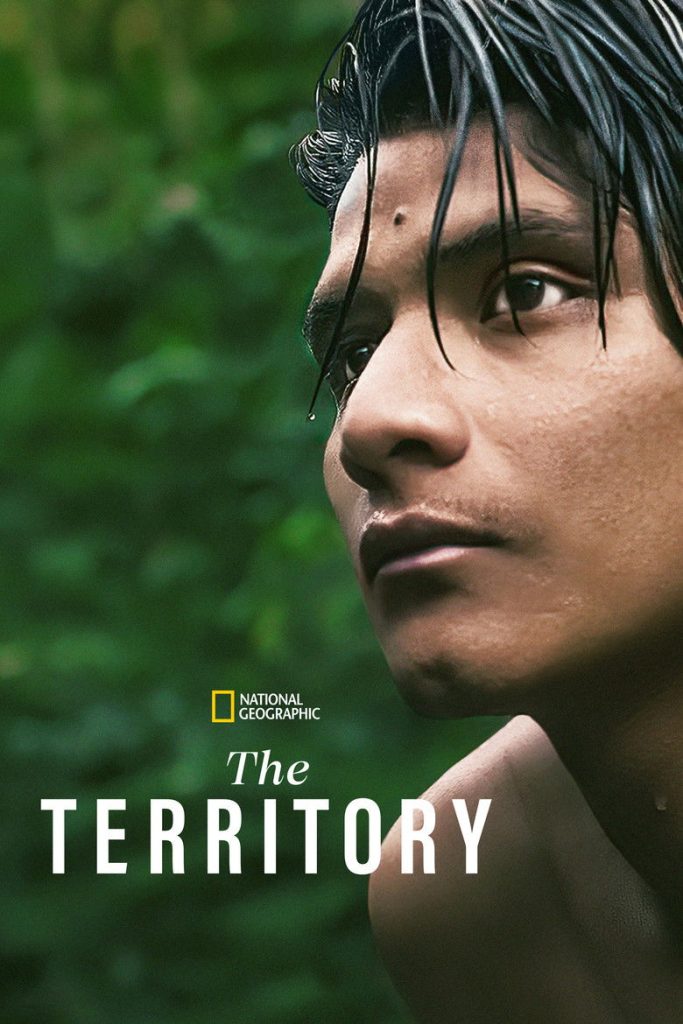
Story overview
This documentary follows the Uru-eu-wau-wau Indigenous people in Brazil's Amazon rainforest as they defend their territory against illegal deforestation, mining, and land invasions. It shows their cultural resilience and the global environmental stakes, with political context about threats under Brazil's recent leadership.
Parent Guide
Educational documentary about environmental and cultural issues with moderate emotional intensity but no graphic content.
Content breakdown
Tense scenes of land conflicts and deforestation threats, but no physical violence shown.
Images of destroyed forests and discussions of cultural threats may unsettle sensitive viewers.
No offensive language; Portuguese dialogue with English subtitles.
None present.
None shown or discussed.
Themes of loss and injustice evoke empathy; hopeful moments balance the tone.
Parent tips
Watch with children 8+ to discuss environmental protection and Indigenous rights. The film shows deforestation and conflict but no graphic violence. Portuguese dialogue with subtitles may challenge younger viewers. Use it to explore how communities stand up for their land.
Parent chat guide
Parent follow-up questions
- What animals live in the rainforest?
- How do people take care of their homes?
- Why is the rainforest important?
- What does it mean to protect land?
- How does deforestation hurt the planet?
- Why do Indigenous rights matter?
- What are the political forces behind deforestation?
- How can global action support Indigenous communities?
🎭 Story Kernel
The film's core is not just about land defense but the collision of temporalities. The Uru-eu-wau-wau people aren't fighting for property in a Western sense; they're defending their entire cosmology—past ancestors, present community, and future generations exist simultaneously on that land. The invaders, driven by a linear, extractive notion of progress (land=profit), cannot comprehend this multidimensional relationship. The real tension isn't between people, but between ways of experiencing time and existence. Bitaté's leadership emerges not from political ambition, but from becoming a conduit for this ancestral time, making the territory itself the protagonist.
🎬 Visual Aesthetics
The cinematography operates on two distinct visual registers. Scenes within the community use steady, observational frames, often with deep focus, making the forest a living, detailed character. The camera sits at eye level, creating intimacy. In contrast, footage of invaders and deforestation employs haunting, wide aerial shots and shaky, clandestine photography, emphasizing scale and chaos. The color palette is deliberately drained in these scenes—washed-out greens and browns—versus the richer, more vibrant tones within the protected forest. This isn't just aesthetic; it visually maps the psychological and environmental degradation.
🔍 Details & Easter Eggs
💡 Behind the Scenes
Director Alex Pritz spent years gaining trust with the Uru-eu-wau-wau community, who are notoriously wary of outsiders due to violent past encounters. Much of the invasive deforestation footage was captured by the community members themselves after Pritz provided camera training, making them active cinematic collaborators. The film was shot over several years, allowing it to capture the real-time escalation of tensions. Notably, some scenes with settlers were filmed covertly by the production team, mirroring the tense, observational style seen on screen.
Where to watch
Choose region:
- Disney Plus
Trailer
Trailer playback is unavailable in your region.