
The Testament of Ann Lee (2025)
Story overview
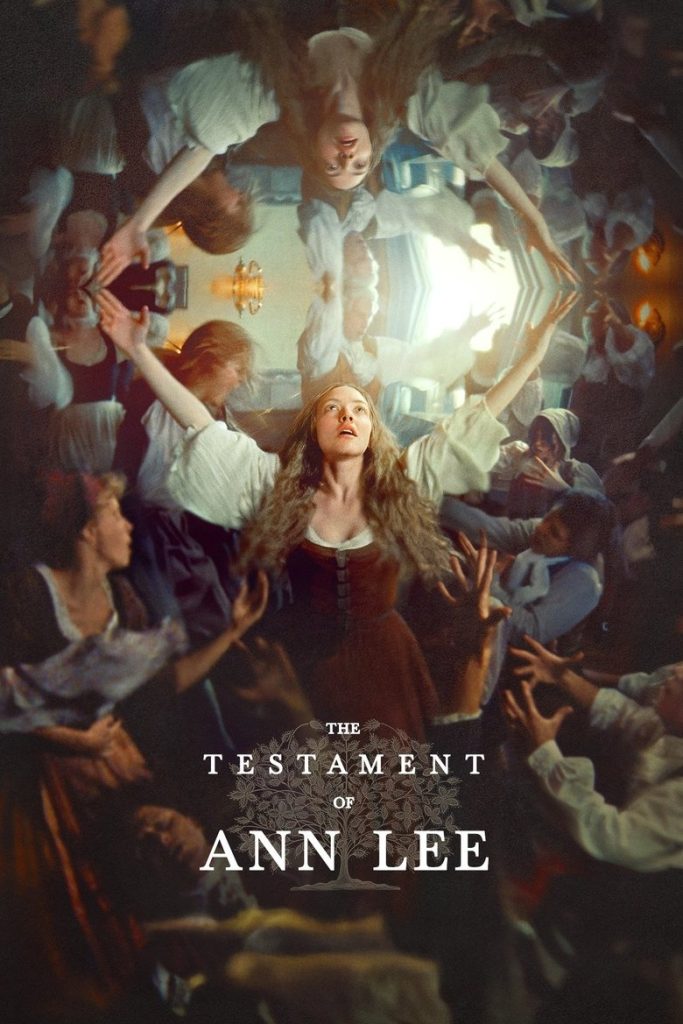
The Testament of Ann Lee tells the true story of Ann Lee, the founder of the Shakers, a religious sect known for their devotional practices and communal living. The film explores her journey as a spiritual leader and the challenges she faced in establishing this unique movement. As a historical drama, it focuses on themes of faith, perseverance, and the impact of religious devotion on individuals and communities.
Parent Guide
A historical drama about religious devotion and community building that requires mature attention and may prompt discussions about faith and leadership.
Content breakdown
Historical conflicts and opposition to religious movements may be shown, but no graphic violence is expected based on the genre and description.
Some scenes may show emotional distress related to religious persecution or community challenges, but nothing explicitly frightening.
Historical dramas typically maintain period-appropriate language without modern profanity.
No sexual content or nudity is expected in this type of historical religious drama.
No substance use is expected to be depicted in this historical religious context.
Themes of religious devotion, leadership challenges, and community conflict create emotional weight that may be intense for younger viewers.
Parent tips
This historical drama deals with mature themes related to religious devotion, spiritual leadership, and the challenges of founding a religious movement. The film's runtime of over two hours and its serious tone may require sustained attention that younger children might find difficult. Parents should be aware that while the content isn't graphically violent or explicit, the emotional intensity and complex themes about faith and community could be challenging for younger viewers to process without guidance.
Parent chat guide
Parent follow-up questions
- What did you see people doing in the movie?
- Did you see people being kind to each other?
- What colors or music did you notice?
- How did the people in the movie help each other?
- What was your favorite part to watch?
- What did you learn about how people lived long ago?
- Why do you think Ann Lee wanted to start a new community?
- What does it mean to have strong beliefs?
- How did people work together in the movie?
- What was challenging about starting something new?
- What qualities made Ann Lee a good leader?
- How do communities form around shared beliefs?
- What challenges do people face when they have different ideas about faith?
- Why is it important to learn about different religious movements?
- How does history help us understand people's choices?
- What does this film reveal about the role of women in religious leadership historically?
- How does the movie portray the tension between individual faith and community expectations?
- What contemporary parallels can you draw to religious movements today?
- How does the film handle the complexity of founding a religious sect?
- What insights does this story offer about perseverance in the face of opposition?
Where to watch
Streaming availability has not been announced yet.
Trailer
Trailer playback is unavailable in your region.