
The Times of Harvey Milk (1984)
Story overview
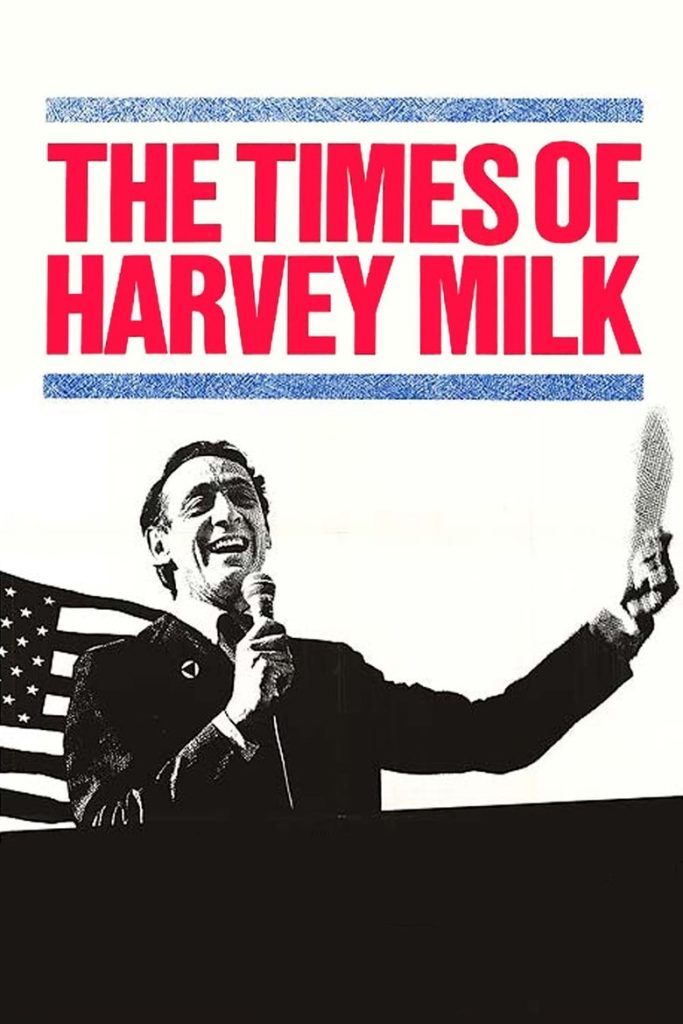
The Times of Harvey Milk is a 1984 documentary that chronicles the life and political career of Harvey Milk, one of the first openly gay elected officials in the United States. The film explores his activism for LGBTQ+ rights, his election to the San Francisco Board of Supervisors, and his assassination in 1978, along with Mayor George Moscone, by former supervisor Dan White. Through archival footage, interviews, and newsreels, it highlights Milk's impact as a symbol of hope and resilience for marginalized communities, while also examining the political and social climate of the time.
Parent Guide
A historically significant documentary suitable for mature discussions about civil rights, politics, and social change. Best for teens and adults due to its serious themes.
Content breakdown
Includes real news footage and discussions of the assassinations of Harvey Milk and George Moscone. There are scenes of protests and emotional reactions to the violence, but no graphic depictions.
Themes of political violence, death, and discrimination may be disturbing. Archival footage of the aftermath of the shootings and public mourning could upset sensitive viewers.
Occasional mild language in historical context, such as derogatory terms related to sexual orientation used in news clips or interviews, but not pervasive.
No sexual content or nudity. The film focuses on political and social aspects of LGBTQ+ rights without explicit material.
No depiction or discussion of substance use.
High emotional intensity due to themes of tragedy, injustice, and the inspirational but somber narrative of Milk's life and death. May evoke strong feelings of sadness, anger, or hope.
Parent tips
This documentary deals with mature themes including political violence, assassination, and discrimination based on sexual orientation. It includes real footage of protests, news coverage of the murders, and discussions of homophobia. While educational and inspiring, it may be emotionally intense for younger viewers due to its focus on tragedy and social injustice. Parents should consider their child's sensitivity to these topics and be prepared to discuss the historical context and the importance of civil rights activism.
Parent chat guide
Parent follow-up questions
—
- Who was Harvey Milk and why was he important?
- What does it mean to be a leader?
- How can we be kind to people who are different from us?
- What challenges did Harvey Milk face as an openly gay politician?
- How did his assassination affect the LGBTQ+ community?
- What can we learn from his story about fighting for justice?
- How does this documentary reflect the social and political climate of the 1970s?
- What parallels exist between Milk's activism and current civil rights movements?
- Discuss the role of media in shaping public perception of LGBTQ+ issues.
🎭 Story Kernel
The film isn't just a biography of Harvey Milk—it's a forensic examination of how hope and hatred collide in the public square. Milk's political rise serves as a catalyst that exposes the fault lines in American democracy, where identity politics meet institutional power. The driving force isn't ambition but vulnerability—Milk's, his community's, and ultimately, the city's. The assassination becomes not just a tragedy but a revelation of how fragile progress truly is, showing that representation matters precisely because it makes some people violently uncomfortable.
🎬 Visual Aesthetics
The film's visual language masterfully blends archival footage with contemporary interviews, creating a living scrapbook of a movement. The grainy 1970s news clips and home videos feel intimate and urgent, while the crisp interview shots of survivors decades later provide haunting perspective. The camera lingers on faces—the joy at Milk's rallies, the grief at candlelight vigils, the empty space where he once stood. There's no fancy cinematography, just raw documentation that makes the historical feel immediate. The color palette shifts from the vibrant energy of Castro Street to the somber grays of the aftermath.
🔍 Details & Easter Eggs
💡 Behind the Scenes
Director Rob Epstein spent five years collecting footage, including previously unseen home movies from Milk's friends. Many interviews were conducted in the actual locations where events occurred, like Harvey's camera shop. The film faced initial resistance from mainstream distributors who doubted interest in a gay political documentary, but went on to win the first Academy Award for Best Documentary Feature for an LGBTQ+ subject. Several key witnesses, including Anne Kronenberg, appear both in archival footage and as present-day interviewees.
Where to watch
Choose region:
- HBO Max
- HBO Max Amazon Channel
- Criterion Channel
- Shout! Factory TV
- Amazon Video
- Apple TV Store
- Google Play Movies
- YouTube
- Fandango At Home
Trailer
Trailer playback is unavailable in your region.