
The Trader (2018)
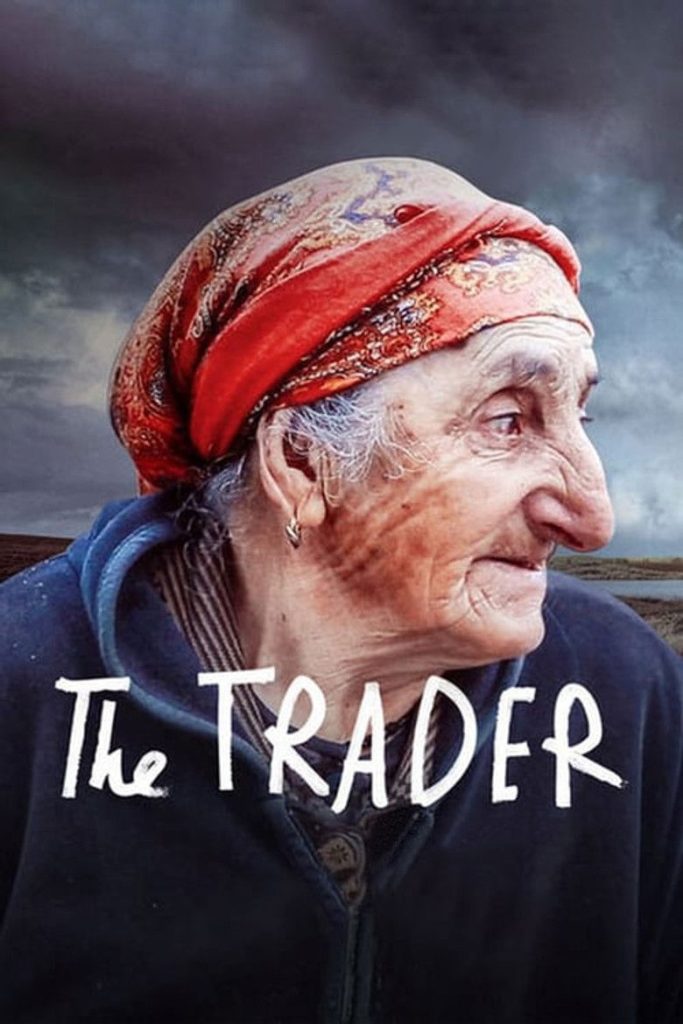
Story overview
This 2018 Georgian documentary follows a traveling trader as he navigates rural life in Georgia, where potatoes serve as a form of currency and poverty stifles ambition. The film offers an intimate look at economic hardship and daily survival in a remote community.
Parent Guide
A gentle documentary about rural Georgian life with educational value but themes of economic hardship. Suitable for elementary school children with parental guidance.
Content breakdown
No violence, fighting, or dangerous situations depicted.
Themes of poverty and limited opportunities might be sobering for sensitive children, but no frightening imagery.
No offensive language; dialogue is in Georgian with subtitles.
No sexual content or nudity.
No depiction of alcohol, drugs, or smoking.
Emotional weight comes from observing economic hardship rather than dramatic events.
Parent tips
This documentary provides an opportunity to discuss economic inequality, rural life, and cultural differences. It's suitable for children who can handle themes of poverty without graphic content. The short runtime makes it manageable for younger viewers.
Parent chat guide
Parent follow-up questions
- What did the trader carry in his truck?
- Did you see any animals in the movie?
- What color were the potatoes?
- Why do you think people traded potatoes instead of using money?
- What was the hardest part of being a trader?
- How was life different in this village compared to where we live?
- What does this film show us about economic systems in different cultures?
- How does poverty affect people's opportunities and dreams?
- What might be some solutions to help communities like this one?
- How does this documentary represent the tension between tradition and modernity?
- What structural factors contribute to the poverty shown in the film?
- How does the use of potatoes as currency reflect both resourcefulness and limitation?
🎭 Story Kernel
At its core, 'The Trader' explores the brutal reality of survival economics in post-Soviet Georgia. The film follows the titular trader, not as a villain but as a desperate man navigating a collapsed system. His cross-border smuggling isn't portrayed as criminal enterprise but as necessary adaptation—a commentary on how ordinary people become complicit in broken systems simply to exist. The driving force isn't greed but preservation, making his moral compromises all the more tragic. The film suggests that in economies of scarcity, human dignity becomes just another commodity to be traded.
🎬 Visual Aesthetics
Director Tamta Gabrichidze employs a stark, documentary-style visual language that feels both intimate and detached. The camera often lingers in static shots, forcing viewers to sit with uncomfortable moments. A muted color palette dominated by grays and browns mirrors the economic depression. Symbolism emerges through recurring motifs: the worn leather of the trader's bag representing his burden, the constant fog obscuring borders mirroring moral ambiguity. Action is minimal but impactful—each transaction carries weight through subtle gestures rather than dramatic confrontations.
🔍 Details & Easter Eggs
💡 Behind the Scenes
The film was shot entirely on location in rural Georgia using mostly non-professional actors. Lead actor Guga Kotetishvili was actually a former trader himself, bringing authentic mannerisms to the role. Director Gabrichidze insisted on using natural light only, resulting in a 21-day shooting schedule dictated by weather conditions. Many scenes were improvised based on the actors' real experiences with post-Soviet economic struggles, giving the film its raw, unscripted feel.
Where to watch
Choose region:
- Netflix
- Netflix Standard with Ads
Trailer
Trailer playback is unavailable in your region.