
The Treasure of the Sierra Madre (1948)
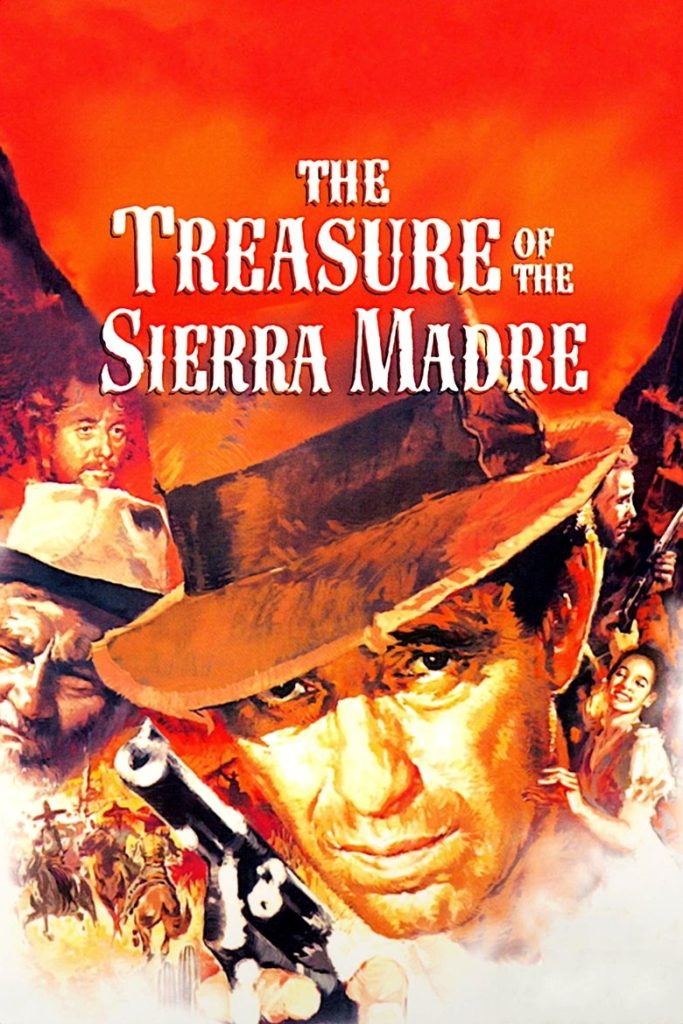
Story overview
The Treasure of the Sierra Madre follows two unemployed American men who partner with an experienced prospector to search for gold in the remote mountains of Mexico. Their adventure quickly becomes challenging as they face harsh wilderness conditions, dangerous bandits, and their own growing greed. The film explores how the pursuit of wealth can corrupt friendships and reveal the darker sides of human nature. Ultimately, it's a cautionary tale about ambition and morality set against a rugged Western backdrop.
Parent Guide
A classic adventure drama exploring greed and morality, best for mature tweens and teens due to psychological intensity and complex themes.
Content breakdown
Characters face threats from bandits and dangerous situations in the wilderness. There are scenes of implied violence, tense confrontations, and peril, but no graphic or explicit violence is shown.
Psychological tension and paranoia create disturbing atmosphere as characters' greed escalates. Scenes with bandits and wilderness dangers might be intense for sensitive viewers.
Period-appropriate dialogue with some mild exclamations and confrontational language, but no modern profanity or strong offensive language.
No sexual content or nudity present in the film.
Characters occasionally drink alcohol in social situations typical of the time period, but no excessive drinking or substance abuse is depicted.
Strong emotional themes of betrayal, paranoia, and moral conflict as friendships deteriorate under pressure. Characters experience significant psychological stress.
Parent tips
This classic adventure film contains themes that may be intense for younger viewers. While there's no graphic violence, characters face peril from bandits and the harsh environment, and the psychological tension around greed is central to the story. The film's portrayal of how desperation and ambition can change people provides good discussion material about values and decision-making.
Parents should note that this is a character-driven drama with slower pacing than modern action films, which might challenge younger attention spans. The black-and-white cinematography and 1940s dialogue style might also feel unfamiliar to children used to contemporary movies. The film's moral lessons about trust, cooperation, and the corrupting influence of wealth are timeless but presented in a mature way.
Parent chat guide
During viewing, pause if needed to check in about scenes showing conflict or tension between characters. You might ask simple questions like 'How do you think that character is feeling right now?' or 'What would you do in that situation?'
After the film, focus conversations on the themes rather than specific plot points. Discuss how the characters' relationships changed throughout their journey and what the film suggests about what's truly valuable in life. Relate these ideas to everyday situations your child might encounter.
Parent follow-up questions
- What was your favorite part of the movie?
- How did the friends help each other?
- What would you do if you found something very valuable?
- Was anyone being mean in the movie?
- What did you learn about being a good friend?
- Why do you think the characters wanted to find gold so much?
- How did working together help the characters at first?
- What happened when people started wanting the gold for themselves?
- How did the wilderness make their journey difficult?
- What would you have done differently if you were on that adventure?
- How did greed affect the characters' decisions and relationships?
- What does this film suggest about what truly brings happiness?
- Why do you think some characters handled the challenges better than others?
- How did the setting (time period and location) influence the story?
- What lessons about trust and cooperation does this story teach?
- How does the film portray the psychological effects of obsession and paranoia?
- What commentary does the movie make about capitalism and the American Dream?
- How do the characters represent different approaches to morality under pressure?
- In what ways does the wilderness serve as both a physical and metaphorical challenge?
- How does the film's ending comment on the nature of ambition and its consequences?
🎭 Story Kernel
The Treasure of the Sierra Madre isn't about greed destroying friendship—it's about how poverty and desperation create the conditions for greed to flourish. Dobbs and Curtin aren't transformed by gold; they're revealed by it. The film's genius lies in showing how their initial camaraderie was always transactional, born from shared destitution rather than genuine connection. Howard, the seasoned prospector, understands this truth from the beginning, which is why he survives while the others destroy themselves. The real treasure isn't gold but self-knowledge—and Dobbs pays the ultimate price for avoiding it.
🎬 Visual Aesthetics
John Huston's visual language creates a world where everything looks parched and desperate. The Mexican landscapes aren't picturesque—they're harsh, sun-bleached, and isolating. Notice how the camera often frames characters alone against vast, empty spaces, visually emphasizing their psychological isolation. The gold itself is never glamorized—it's just dirty rocks that gradually poison everything. The famous hat scene isn't just about bandits—it's about how civilization's symbols become meaningless in the wilderness. Every frame feels gritty and real, with sweat-stained shirts and sunburned skin telling their own story.
🔍 Details & Easter Eggs
💡 Behind the Scenes
Humphrey Bogart fought for the role of Fred C. Dobbs, wanting to break from his heroic image—he even refused to clean his teeth for weeks to look more desperate. John Huston shot most of the film on location in Mexico, enduring extreme conditions that mirrored the story's hardships. The bandit leader was played by Alfonso Bedoya, a Mexican actor who improvised the 'Badges?' scene based on real bandit encounters. Walter Huston (John's father) won an Oscar for his role as Howard, making them the first father-son Oscar winners in history.
Where to watch
Choose region:
- Amazon Video
- Apple TV
- Google Play Movies
- YouTube
- Fandango At Home
- Spectrum On Demand
Trailer
Trailer playback is unavailable in your region.