
The Ugly Truth (2009)
Story overview
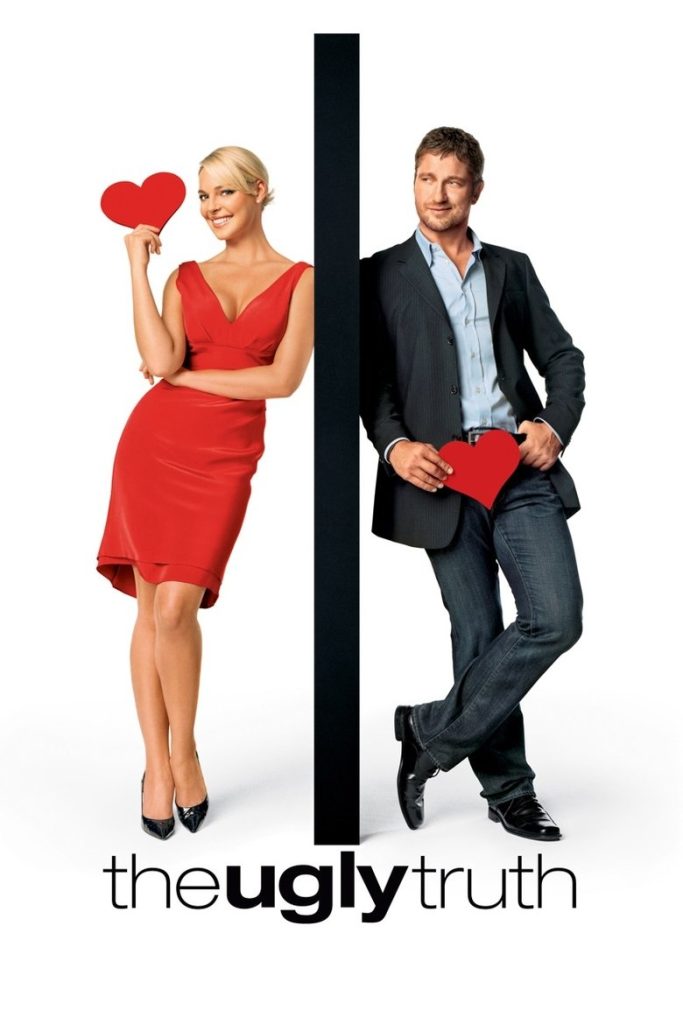
The Ugly Truth is a 2009 romantic comedy about Abby, a meticulous morning show producer who struggles with romance. When her show hires Mike, a blunt and chauvinistic correspondent with controversial theories about relationships, they clash professionally. To boost ratings, Abby reluctantly agrees to let Mike coach her on dating using his provocative methods. As they work together on outrageous tests and schemes, their professional tension evolves into an unexpected personal connection, challenging both their beliefs about love and relationships.
Parent Guide
This R-rated romantic comedy is intended for mature audiences due to strong sexual content, crude humor, and language. Not suitable for children or younger teens.
Content breakdown
No physical violence. Some comedic peril includes a character getting stuck in a window, minor workplace conflicts, and embarrassing situations played for laughs.
No scary or disturbing content. All situations are comedic in tone.
Frequent strong language including multiple uses of 'f--k,' 's--t,' 'a--hole,' and sexual terms. Crude sexual references and conversations throughout.
Extensive sexual content including: frequent sexual discussions and references, suggestive scenes, characters using sexual devices (vibrator scene played for comedy), implied sexual situations, revealing clothing, and crude sexual humor. No explicit nudity but sexually suggestive throughout.
Social drinking in bars and parties. Characters drink alcohol in several scenes, but no excessive drinking or substance abuse themes.
Moderate romantic tension and relationship conflicts. Some embarrassment humor and workplace stress, but overall light comedic tone. Themes of vulnerability and authenticity in relationships provide emotional depth.
Parent tips
This R-rated romantic comedy contains strong sexual content, frequent crude humor, and explicit language. Parents should be aware of: 1) Numerous sexual references, discussions about sex, and suggestive scenes throughout 2) Strong language including f-words and sexual terms 3) Crude humor involving sexual situations and bodily functions 4) Some alcohol consumption in social settings 5) Themes about gender stereotypes and relationship dynamics that may require discussion with older teens.
Parent chat guide
Parent follow-up questions
—
—
—
- What did you think about how the characters talked about relationships? Did any of their ideas seem realistic or exaggerated for comedy?
- How did the movie show workplace relationships? What seemed professional versus unprofessional?
- The movie has a lot of sexual humor - how did that affect how you viewed the characters and their relationships?
- What message do you think the movie was trying to send about being yourself in relationships versus pretending to be someone else?
🎭 Story Kernel
Beneath its battle-of-the-sexes premise, 'The Ugly Truth' is less about romance and more about the transactional nature of modern identity. Abby's quest for love is framed as a corporate rebranding project, with Mike as her cynical consultant. The film's real conflict isn't between men and women, but between authenticity and performance. Abby doesn't learn to 'be herself'—she learns to market a more appealing version of her femininity, while Mike's redemption comes from realizing his own emotional labor has market value. The movie accidentally argues that successful relationships require the same strategic calculation as a successful TV segment.
🎬 Visual Aesthetics
The film employs a visual language of surveillance and performance. Abby is frequently framed through windows, on monitors, or reflected in surfaces, emphasizing her constant self-scrutiny. The color palette shifts from the sterile blues and grays of the news studio to warmer tones during 'authentic' moments, but even these feel staged. The infamous restaurant scene uses tight close-ups and rapid cuts not for passion, but for clinical observation of social failure. The camera often lingers on technology—phones, cameras, TVs—positioning human connection as something mediated and broadcasted.
🔍 Details & Easter Eggs
💡 Behind the Scenes
The film's notorious restaurant scene, where Abby's vibrating underwear causes chaos, was largely improvised by Katherine Heigl. The remote control malfunctioned repeatedly during filming, extending the take and amplifying the genuine embarrassment on screen. Gerard Butler, known for dramatic roles, reportedly took the part to lampoon the 'alpha male' persona. The morning show set was a detailed replica of a real Sacramento news studio, with former producers consulting to capture the sterile, high-pressure environment accurately.
Where to watch
Choose region:
- Netflix
- Netflix Standard with Ads
- Amazon Video
- Apple TV Store
- Google Play Movies
- YouTube
- Fandango At Home
Trailer
Trailer playback is unavailable in your region.