
The Unforgivable (2021)
Story overview
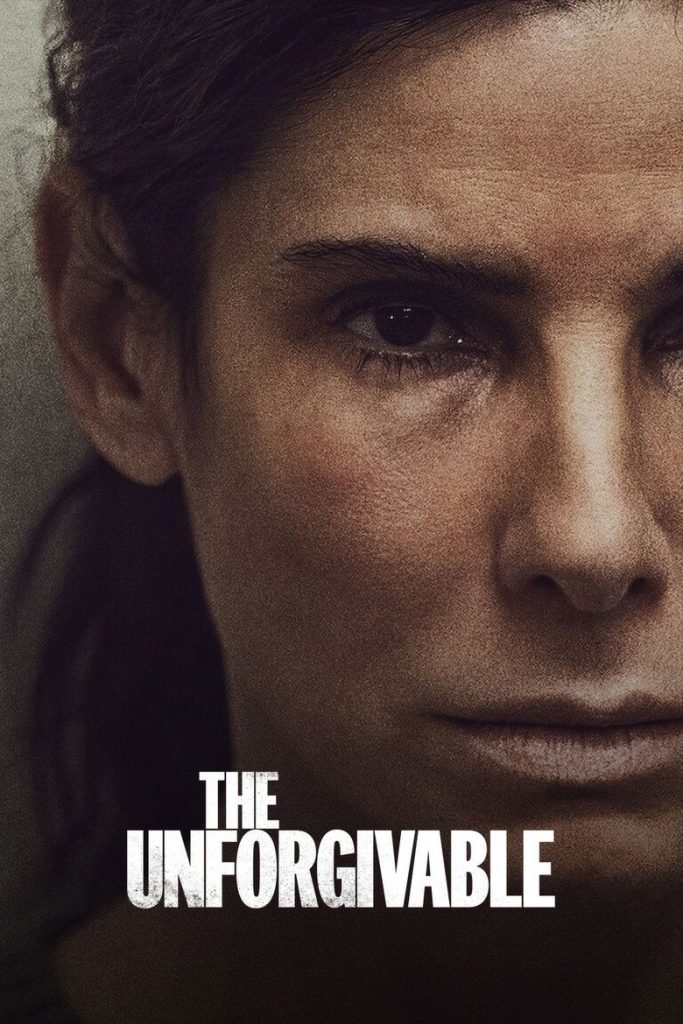
The Unforgivable is a 2021 drama and crime film that follows a woman's journey after being released from prison for a violent crime. The story explores themes of redemption, societal judgment, and the challenges of reintegrating into a community that may not forgive past mistakes. It examines the emotional weight of guilt and the search for second chances in a world that often defines people by their worst actions.
Parent Guide
This R-rated drama deals with mature themes of crime, punishment, and redemption that require emotional maturity to process.
Content breakdown
Contains references to violent crime and criminal situations, though not graphically depicted.
Themes of imprisonment, societal rejection, and emotional trauma may be disturbing.
May include strong language consistent with R-rated content.
Limited sexual content, if any, given the film's focus on crime and drama themes.
May include references to substance use in criminal contexts.
High emotional intensity around themes of guilt, redemption, and societal judgment.
Parent tips
This R-rated film deals with mature themes including crime, imprisonment, and societal judgment, making it unsuitable for younger viewers. Parents should be aware that the content involves emotional intensity and potentially disturbing situations related to criminal behavior and its consequences. Consider watching it first to determine if it's appropriate for your teen, as the themes may require discussion about justice, forgiveness, and personal responsibility.
Parent chat guide
Parent follow-up questions
- What does it mean to say sorry when you hurt someone?
- How do we help people who feel sad or lonely?
- What makes someone a good friend?
- Why is it important to think about how our actions affect others?
- What does it mean to give someone a second chance?
- How can we show kindness to people who are having a hard time?
- What responsibilities come with making big mistakes?
- How do communities decide who deserves forgiveness?
- What support do people need when trying to make positive changes in their lives?
- How does the justice system balance punishment with rehabilitation?
- What societal factors influence whether someone can truly start over after a crime?
- How do personal biases affect our willingness to forgive others?
🎭 Story Kernel
At its core, 'The Unforgivable' interrogates whether society truly allows for rehabilitation or permanently brands those who've served their time. Ruth's journey isn't about proving her innocence—she committed the crime—but about navigating a world that refuses to see her as anything other than her worst moment. The film exposes how the justice system's release is merely a technicality; the real sentence continues through social ostracization, employment barriers, and shattered family bonds. Every character orbits this central tension: the parole officer's bureaucratic caution, the adoptive parents' protective fear, and Ruth's desperate, flawed attempts to rebuild demonstrate how punishment extends far beyond prison walls.
🎬 Visual Aesthetics
The film employs a desaturated Pacific Northwest palette of grays, blues, and muted greens that mirrors Ruth's emotional landscape—color returns only in fleeting memories of her childhood home. Handheld camerawork creates intimacy during Ruth's vulnerable moments, while static shots emphasize her isolation in empty spaces. Notice how the camera often observes Ruth from behind barriers: through windows, fences, or from a distance, visually reinforcing her separation from society. The violent flashbacks are shot with chaotic, jarring edits that contrast sharply with the methodical pacing of her present-day struggle, visually representing how trauma disrupts linear existence.
🔍 Details & Easter Eggs
💡 Behind the Scenes
Sandra Bullock, who also produced, spent months meeting with formerly incarcerated women to understand the psychological toll of reentry. The prison scenes were shot at an actual decommissioned Washington state correctional facility to enhance authenticity. Director Nora Fingscheidt intentionally cast actors with diverse body types and faces that felt 'lived-in' rather than Hollywood-perfect to ground the story in reality. The screenplay underwent significant revisions to ensure Ruth's crime remained morally complex rather than easily justified.
Where to watch
Choose region:
- Netflix
- Netflix Standard with Ads
Trailer
Trailer playback is unavailable in your region.