
The Velvet Underground (2021)
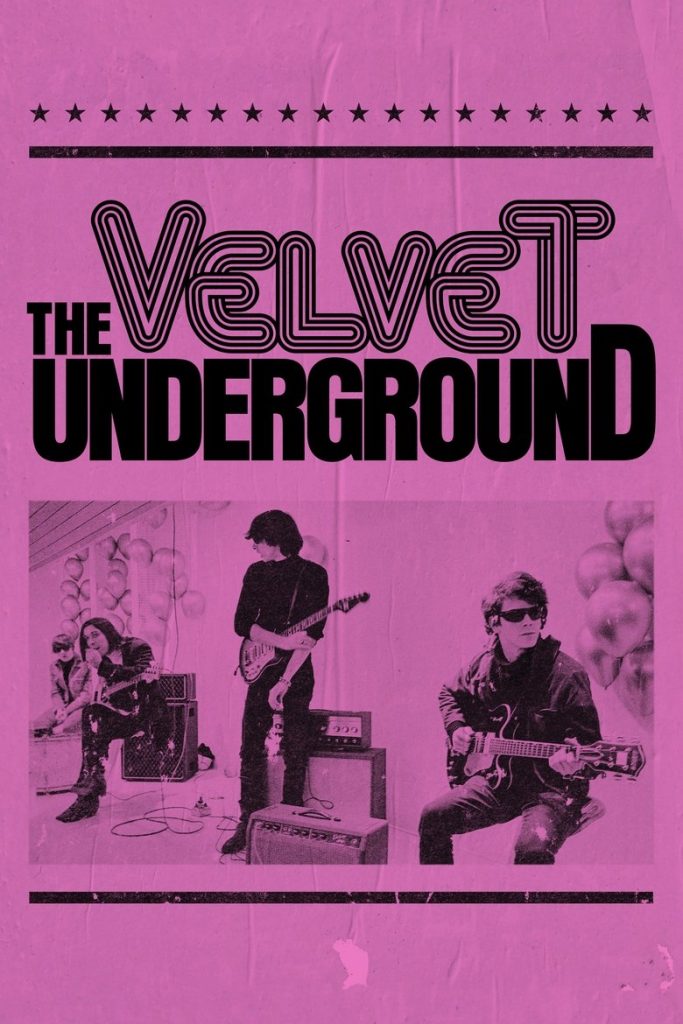
Story overview
This documentary explores the history and cultural impact of the influential rock band The Velvet Underground, featuring interviews with band members and archival footage that captures the avant-garde spirit of their era.
Parent Guide
A documentary about an influential rock band that includes mature discussions of drug culture, occasional strong language, and artistic themes best understood by older viewers.
Content breakdown
No violence or peril depicted.
Some archival footage and discussions of drug culture might be unsettling for younger viewers, but nothing graphic or intentionally frightening.
Occasional strong language typical of documentary interviews about rock music culture.
References to adult relationships and sexuality in the context of the band's history and lyrics, but no explicit content.
Frequent discussions of drug use and culture, including references to heroin and other substances that were part of the band's era and scene.
Emotional discussions about artistic struggles, band dynamics, and the challenges of creative work, but presented in a documentary format.
Parent tips
This R-rated documentary contains mature themes including discussions of drug use, occasional strong language, and references to adult relationships. It's best suited for older teens and adults who can contextualize the historical and artistic content.
Parent chat guide
Parent follow-up questions
—
—
—
- What did you find most interesting about how the band created their music?
- How does this documentary help us understand the 1960s counterculture movement?
- What artistic risks did the band take, and why were they important?
- How do you think documentaries like this preserve cultural history?
🎭 Story Kernel
The film isn't a linear biography but a sensory excavation of how environment shapes art. It argues that The Velvet Underground wasn't just a band, but a living, breathing collision of disparate New York City subcultures—Warhol's Factory glamour, La Monte Young's drone minimalism, and the gritty realism of street literature. The driving force isn't ambition in the traditional sense, but a shared, almost pathological need to translate raw, unfiltered experience—boredom, addiction, deviance, beauty—into sound. Their story is the tension between Lou Reed's literary, street-smart cynicism and John Cale's avant-garde formalism, a creative friction that produced something entirely new before consuming itself.
🎬 Visual Aesthetics
Todd Haynes employs a radical split-screen technique not as a gimmick, but as the film's core philosophy. It visually replicates the band's sonic layering—simultaneously showing performance, interview, archival footage, and abstract visual collages. The palette is stark: high-contrast black and white for the Factory era, bleeding into muted, grainy color as the scene shifts. The camera often lingers in static, tableau-like shots, mirroring the drone of the music, then violently cuts to rapid-fire montages of Warhol films and NYC street life. It's a film that looks the way their music sounds: hypnotic, confrontational, and beautifully fragmented.
🔍 Details & Easter Eggs
💡 Behind the Scenes
Director Todd Haynes famously avoided using any talking-head interviews shot specifically for the film. All audio commentary is sourced from archival recordings or played over relevant imagery. The only 'new' footage is of surviving member John Cale listening to playbacks in a studio, a profound and silent performance in itself. Haynes and his team restored and digitized hours of rare Warhol films, including the multi-screen projection 'The Exploding Plastic Inevitable,' to authentically reconstruct the sensory overload of the live experience. The film's rights required navigating the complex estates of Lou Reed, Andy Warhol, and Nico.
Where to watch
Choose region:
- Apple TV
- Apple TV Amazon Channel
- Amazon Video
- Apple TV Store
- Fandango At Home
Trailer
Trailer playback is unavailable in your region.