
The Wages of Fear (1953)
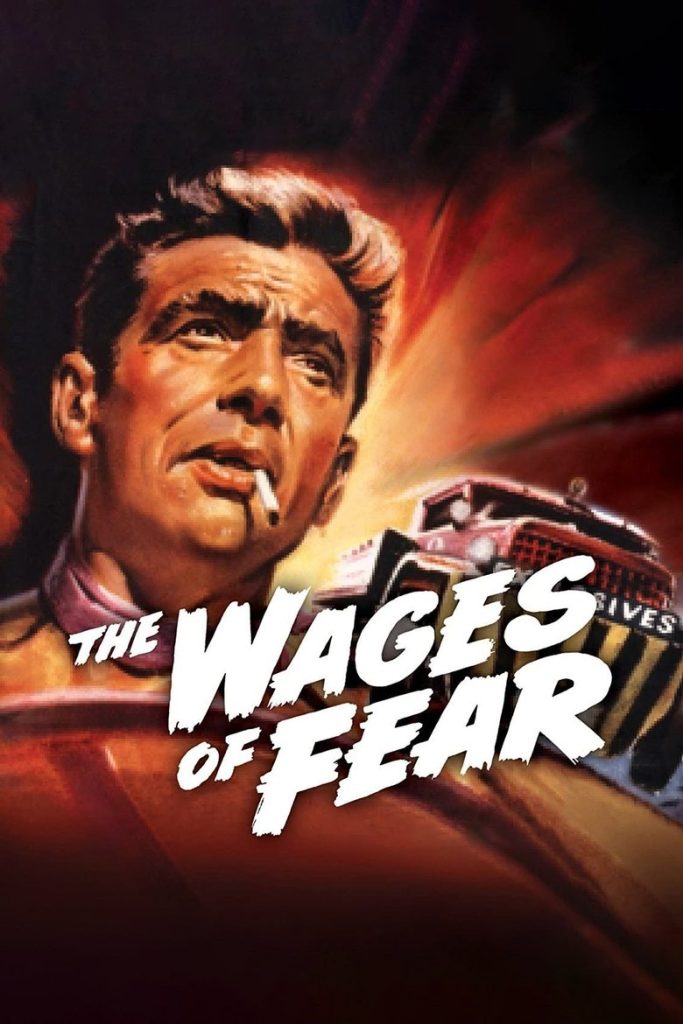
Story overview
The Wages of Fear is a tense 1953 French-Italian thriller about desperate men in a South American town who accept a dangerous job transporting unstable explosives through treacherous jungle terrain. As they embark on this perilous journey, the film explores how extreme pressure tests human relationships, revealing both courage and conflict among the drivers. The story builds suspense through the constant threat of catastrophe, examining themes of greed, survival, and the psychological toll of life-or-death situations.
Parent Guide
A tense thriller with sustained psychological suspense and peril, suitable for mature teenagers who can handle anxiety-inducing situations.
Content breakdown
Contains peril from transporting explosives, with implied threats of sudden death, though graphic violence is minimal.
Sustained tension and anxiety from life-threatening situations, with psychological rather than graphic horror elements.
Occasional strong language in subtitles, typical of tense situations in a foreign language film.
No sexual content or nudity present in the film.
Some social drinking and smoking shown, consistent with the 1950s setting.
High emotional intensity from constant life-or-death situations and psychological pressure on characters.
Parent tips
This classic thriller contains intense suspense and peril throughout its lengthy runtime, with characters facing constant danger from transporting volatile explosives. While there's minimal graphic violence, the psychological tension and threat of sudden disaster create a consistently anxious atmosphere that may be overwhelming for younger viewers. The film's mature themes about desperation, mortality, and human nature under pressure make it more suitable for older children and teenagers who can handle sustained tension.
Parent chat guide
Parent follow-up questions
- What was the scariest part for you?
- How did the truck drivers feel in the movie?
- What would you do if you had a very important job to do?
- Why do you think people take dangerous jobs?
- What makes a good friend when things get hard?
- Why do you think the characters took such a risky job?
- How did the movie make you feel during the tense scenes?
- What does the movie show about how people act under pressure?
- How do you think you would handle a very stressful situation?
- What did you learn about teamwork from this story?
- What themes about human nature did you notice in the film?
- How does the movie build suspense without showing graphic violence?
- What do you think the film says about risk-taking and desperation?
- How did the relationships between characters change under pressure?
- What would you have done differently in their situation?
- How does the film explore the psychological effects of extreme stress?
- What commentary does the movie make about economic desperation?
- How does the tension in this film compare to modern thrillers?
- What did you think about the moral choices the characters faced?
- How does the film's setting contribute to its themes of isolation and danger?
🎭 Story Kernel
At its core, 'The Wages of Fear' explores the psychological corrosion of capitalism and desperation. The film isn't about trucks carrying nitroglycerin—it's about men carrying the unbearable weight of their own mortality for a paycheck. Each character's motivation reveals a different facet of human frailty: Mario's ambition, Jo's cynicism, Luigi's simple hope, Bimba's nihilistic expertise. The American oil company becomes an indifferent god, offering salvation through suicide missions. The tension derives not from whether they'll succeed, but how much of their humanity will be sacrificed along the way. The final irony—Mario's death after surviving the mission—exposes the ultimate truth: the fear itself was the real wage, paid in advance.
🎬 Visual Aesthetics
Clouzot's visual language is a masterclass in sustained anxiety. The camera becomes a relentless observer, lingering on sweat-drenched faces and trembling hands in extreme close-ups that feel claustrophobic. The washed-out color palette of the South American landscape mirrors the characters' existential emptiness. Action sequences are deliberately slow, with every bump in the road registering like a seismic event. The famous 'nitroglycerin on the wobbly platform' sequence uses minimal movement to create maximum tension—the camera barely moves, forcing us to stare at the inevitable. Shadows stretch ominously, making the trucks themselves seem like moving coffins long before anyone dies.
🔍 Details & Easter Eggs
💡 Behind the Scenes
The production was notoriously difficult, mirroring the film's themes. Director Henri-Georges Clouzot suffered a heart attack during filming, forcing a two-month hiatus. The nitroglycerin scenes used real explosives with actors dangerously close—insurance companies refused coverage. Yves Montand (Mario) learned to drive the massive truck himself, performing most stunts. The South American setting was actually filmed in the Camargue region of France and at the Bouches-du-Rhône studios, with meticulous set design creating the oppressive atmosphere. The film was banned in several countries for its anti-capitalist themes, particularly in the UK where censors demanded cuts to the American company's portrayal.
Where to watch
Choose region:
- HBO Max
- HBO Max Amazon Channel
- Criterion Channel
- Amazon Video
- Apple TV
- Fandango At Home
- Tubi TV
- Kanopy
Trailer
Trailer playback is unavailable in your region.