
The Way (2010)
Story overview
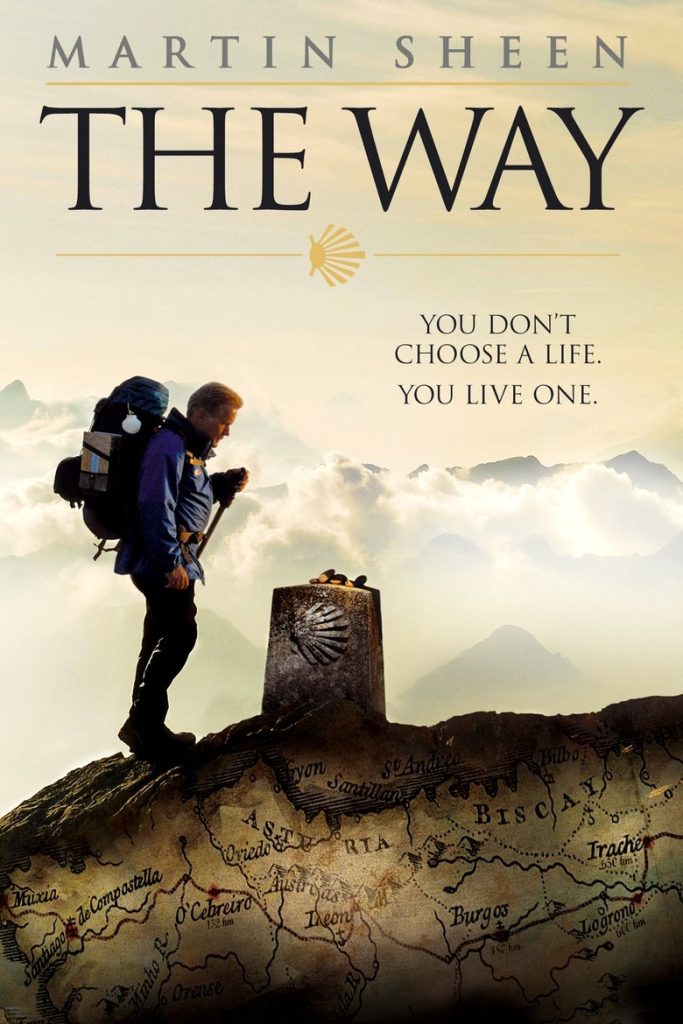
The Way is a 2010 adventure drama about a father who travels to France to retrieve the body of his son who died while hiking the Camino de Santiago pilgrimage route. Instead of returning home immediately, he decides to complete the journey himself in honor of his son. Along the way, he meets other pilgrims who help him process his grief and find new meaning. The film explores themes of loss, healing, and personal transformation through the physical and emotional challenges of the pilgrimage.
Parent Guide
A thoughtful drama about grief and healing with positive messages about community and perseverance. Best for mature children due to emotional themes.
Content breakdown
Some hiking scenes show characters in mildly perilous situations like walking on narrow paths or in bad weather. No physical violence.
The central theme of a parent grieving a child's death may be emotionally challenging. Some scenes show characters crying or expressing sadness.
Occasional mild language. Nothing strong or frequent.
No sexual content or nudity.
Social drinking in restaurants and cafes, typical of European settings. No excessive drinking or drug use.
Strong emotional themes of loss and grief throughout. Characters experience and process deep sadness, but ultimately find healing and hope.
Parent tips
This PG-13 film deals with mature themes of grief and loss that may be challenging for younger viewers. The story centers on a father coping with his son's death, which could trigger emotional responses in children who have experienced similar losses. While there's no graphic content, the emotional weight and some mild peril during hiking scenes make this more suitable for older children and teenagers.
Parents should be prepared to discuss how people process grief differently and the importance of finding support during difficult times. The film's positive messages about community, perseverance, and finding meaning after tragedy can provide valuable discussion points for families with mature children.
Parent chat guide
For younger viewers, emphasize the adventure and friendship aspects rather than the grief themes. For teens, you can explore deeper questions about how people find meaning after loss and the value of challenging experiences. The film provides opportunities to discuss healthy coping mechanisms and the importance of reaching out to others during difficult times.
Parent follow-up questions
- What was your favorite part of the walking journey?
- How did the friends help each other on their trip?
- What beautiful places did you see in the movie?
- What would you pack if you went on a long walk?
- How do you think the characters felt when they reached their destination?
- Why do you think the father decided to finish the walk?
- How did meeting new friends help the main character?
- What challenges did the walkers face during their journey?
- What did you learn about helping others who are sad?
- How do you think the walk changed the characters?
- How did different characters deal with their personal struggles?
- What does this film teach us about honoring someone's memory?
- Why is community important when facing difficult times?
- How does physical challenge help with emotional healing?
- What would you do differently if you were on this journey?
- How does the film portray the grieving process realistically?
- What cultural or spiritual insights did you gain from the pilgrimage theme?
- How do the characters' motivations evolve throughout their journey?
- What does this story suggest about finding purpose after loss?
- How might this experience impact the characters' lives going forward?
🎭 Story Kernel
At its core, 'The Way' is about the quiet, painful, and ultimately redemptive process of accepting a life you didn't choose. Tom's initial motivation is grief and a sense of paternal duty to 'finish' his son's journey. The Camino de Santiago becomes a crucible where this brittle intention is shattered and reformed. The film argues that true pilgrimage isn't about reaching a destination, but about the people you walk with and the versions of yourself you shed along the path. Tom's transformation isn't a sudden epiphany but a gradual unwinding, mirrored in his changing relationship with his pack—first a burden, then a companion, and finally, a shared weight with his newfound community.
🎬 Visual Aesthetics
The film's visual language is one of grounded, unvarnished realism, favoring wide, lingering shots of the Spanish and French countryside that emphasize the pilgrim's smallness against the ancient landscape. The camera often adopts Tom's perspective, making the viewer feel the weight of the pack and the length of the road. The color palette is deliberately muted—earthy browns, dusty greens, and the faded blues of well-worn gear—eschewing postcard glamour for authenticity. This aesthetic reinforces the film's central truth: the Camino isn't a scenic vacation, but a physically demanding, often monotonous act of putting one foot in front of the other, where beauty is earned, not given.
🔍 Details & Easter Eggs
💡 Behind the Scenes
The film is a deeply personal project for Martin Sheen and his son, writer/director Emilio Estevez. Sheen's real name is Ramón Estévez, and he took the pilgrimage himself in preparation. The character Tom is named after Sheen's father. Much of the film was shot in sequence along the actual Camino de Santiago, with the cast and crew walking portions of the route. The cameo by James Nesbitt as the writer Jack is a nod to the real-life pilgrims and storytellers found on the trail. Sheen performed most of the walking scenes himself, carrying a real pack to capture the authentic physical strain.
Where to watch
Choose region:
- Peacock Premium
- Angel Studios
- Peacock Premium Plus
- FilmBox Live Amazon Channel
- Apple TV
- Google Play Movies
- YouTube
- Fandango At Home
Trailer
Trailer playback is unavailable in your region.