
The Way Back (2019)
Story overview
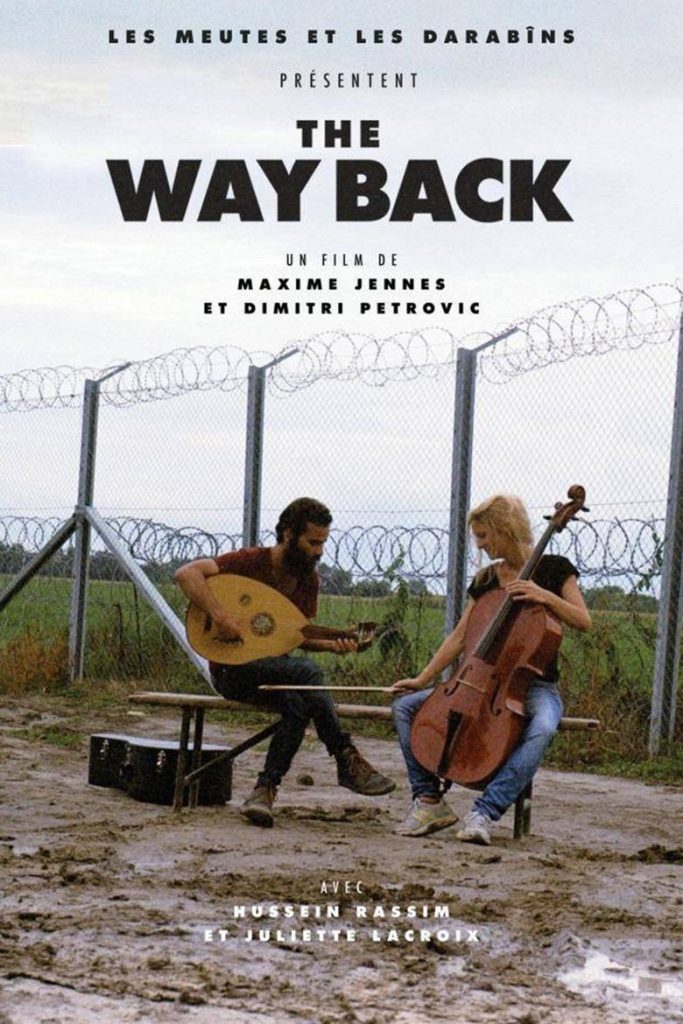
The Way Back is a 2019 Belgian documentary that follows Hüseyin Al Baldawi, an Iraqi immigrant who arrives in Brussels in 2015 after a long journey. A year later, after receiving his residence permit, he decides to travel from Brussels to Greece. The film documents his journey, highlighting the challenges faced by Hüseyin and thousands of other immigrants as they navigate through different countries. Along the way, it portrays the forgotten people he meets and critiques the selfish aspects of European society, delivering messages about immigration, humanity, and social issues.
Parent Guide
A documentary about immigration with emotional depth and social commentary. Suitable for mature children who can handle realistic depictions of struggle.
Content breakdown
No physical violence shown, but there are implied dangers and hardships of immigration journeys.
Emotionally heavy themes of displacement and struggle might be disturbing to sensitive viewers.
No offensive language noted; film is in French with subtitles.
No sexual content or nudity present.
No substance use shown.
Strong emotional themes of struggle, displacement, and social injustice.
Parent tips
This documentary deals with mature themes of immigration, displacement, and social critique. It may be emotionally intense for younger children due to its realistic portrayal of struggles. Parents should be prepared to discuss topics like empathy, global issues, and human rights. The film is in French with subtitles, so reading skills are needed. It's best suited for older children and teens who can process complex social issues.
Parent chat guide
Parent follow-up questions
—
- What is an immigrant?
- Why did Hüseyin travel so far?
- How can we be kind to new people?
- What challenges do immigrants face in Europe?
- What does the film say about society?
- How does the documentary make you feel about Hüseyin's journey?
- What social critiques does the film make about European society?
- How does the documentary portray the immigrant experience?
- What solutions might address the issues shown in the film?
- How does media representation affect our view of immigration?
🎭 Story Kernel
The film explores how grief manifests as self-destruction and how purpose can be found in serving others. Jack's alcoholism isn't just a character flaw—it's his coping mechanism for unbearable loss, making his coaching position both a potential lifeline and a dangerous trigger. The basketball team becomes a mirror for his own need for discipline and connection, while the players' struggles reflect his inability to save his own son. The ending's ambiguity—whether he truly achieves sobriety or simply finds a different way to cope—avoids pat resolutions, suggesting recovery is a continuous choice rather than a destination.
🎬 Visual Aesthetics
Director Gavin O'Connor uses a desaturated color palette for Jack's personal life, with cold blues and grays dominating his solitary drinking scenes, while the basketball court bursts with warmer tones during games. The camera work shifts from shaky, intimate close-ups during emotional breakdowns to fluid tracking shots during gameplay, visually connecting Jack's internal chaos with the structured rhythm of sports. Water imagery recurs throughout—from ocean waves to drinking—symbolizing both drowning and purification. The final shot of Jack walking into the ocean suggests baptism rather than surrender.
🔍 Details & Easter Eggs
💡 Behind the Scenes
Ben Affleck drew from his own experiences with alcoholism and rehabilitation for his portrayal of Jack, with the actor being in recovery during filming. The basketball scenes were shot at the actual Bishop Montgomery High School in Torrance, California, using real student athletes as extras. Director Gavin O'Connor previously explored similar themes of sports and redemption in 'Miracle' and 'Warrior,' creating an unofficial trilogy about broken men finding purpose through coaching.
Where to watch
Choose region:
- Netflix
- Netflix Standard with Ads
- Amazon Video
- Apple TV Store
- Google Play Movies
- YouTube
- Fandango At Home
- Spectrum On Demand
- Plex