
The Weight of Gold (2020)
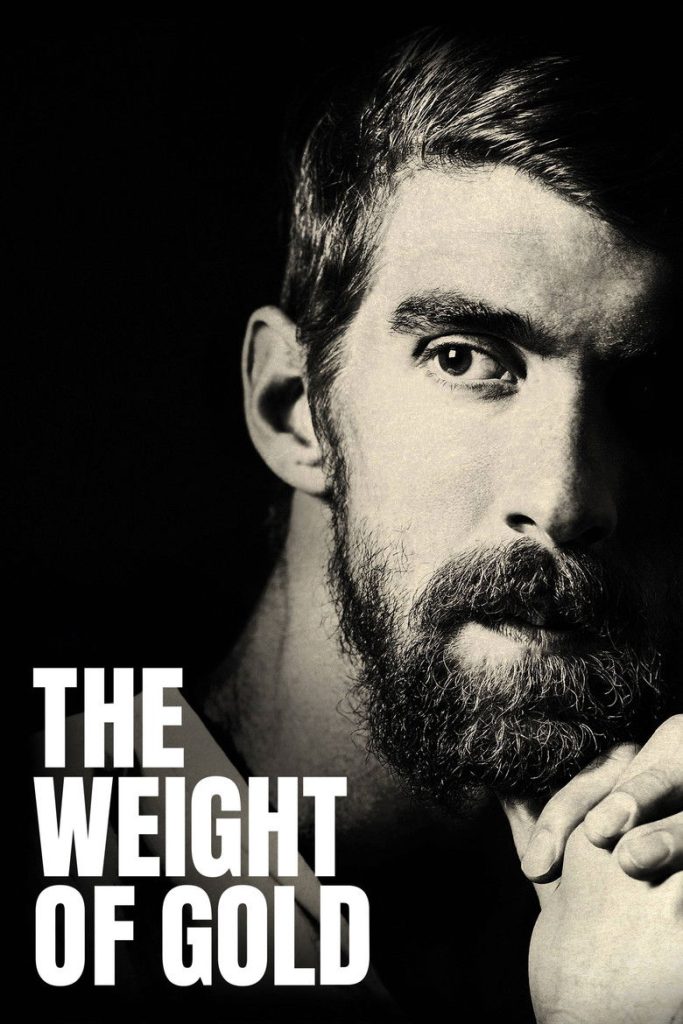
Story overview
This documentary explores the mental health challenges faced by Olympic athletes, featuring interviews with prominent figures like Michael Phelps and Shaun White. It addresses serious topics such as depression, anxiety, and the pressure of elite competition, aiming to reduce stigma and encourage seeking help.
Parent Guide
A documentary focusing on mental health awareness with no graphic content, but it deals with emotionally heavy themes that may require parental guidance for younger viewers.
Content breakdown
No violence or physical peril depicted.
Discussions of mental health struggles, including depression and anxiety, which could be unsettling for sensitive children, but presented in a clinical, non-sensational manner.
No offensive language noted.
No sexual content or nudity.
No depiction of substance use.
High emotional intensity due to personal stories of mental health challenges, which may evoke sadness or concern, but is handled with a supportive, educational tone.
Parent tips
Watch together to discuss mental health openly. The content is mature but presented thoughtfully; preview if concerned about your child's sensitivity to emotional topics. Use it as a springboard for conversations about resilience and support systems.
Parent chat guide
Parent follow-up questions
—
- What does it mean to feel sad or worried?
- Who can you talk to if you're feeling upset?
- Why do you think these athletes found it hard to ask for help?
- How can we support friends who might be struggling?
- How does societal pressure affect mental health in sports or school?
- What resources are available for mental health in our community?
🎭 Story Kernel
The film exposes the profound psychological toll of elite athleticism, focusing on Olympic athletes' mental health crises. It's not about triumph but the aftermath—the void left when the spotlight fades. Characters are driven by a desperate need to reconcile their public personas with private suffering, revealing how the pressure-cooker environment of high-stakes competition often leads to depression, anxiety, and suicidal thoughts. The documentary dismantles the 'happy warrior' myth, showing how systemic neglect and the 'win-at-all-costs' mentality leave athletes isolated once their competitive days end.
🎬 Visual Aesthetics
The cinematography employs intimate close-ups and stark, minimalist interviews that strip away athletic grandeur, focusing instead on raw human emotion. A muted color palette—often grays and blues—mirrors the psychological heaviness. Archival footage of triumphant moments is juxtaposed with present-day vulnerability, creating visual whiplash. The camera lingers on empty stadiums and quiet training facilities, symbolizing the loneliness that follows fame. This restrained visual approach amplifies the emotional weight, making the athletes' testimonies feel uncomfortably direct and unvarnished.
🔍 Details & Easter Eggs
💡 Behind the Scenes
The documentary was executive produced by Michael Phelps, who appears as an interviewee and drew from his own mental health battles. Filming occurred across multiple countries to capture diverse athlete perspectives, with many participants sharing their stories publicly for the first time. Director Brett Rapkin emphasized creating a safe, non-judgmental environment for interviews, which often lasted hours to build trust. The title references both the physical weight of medals and the psychological burden of carrying a nation's expectations.
Where to watch
Choose region:
- HBO Max
- HBO Max Amazon Channel
Trailer
Trailer playback is unavailable in your region.