The Whale (2022)
Story overview
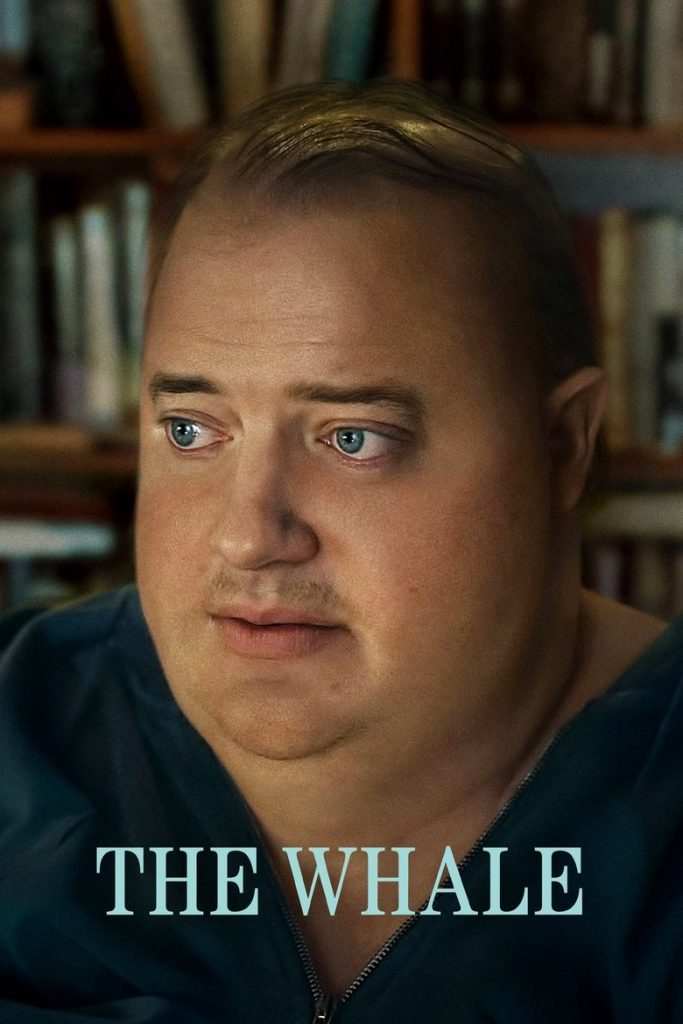
The Whale is a 2022 drama film that explores themes of isolation, regret, and human connection. The story follows a reclusive English teacher who struggles with severe obesity and attempts to reconnect with his estranged teenage daughter. The film presents an emotional character study that examines complex family dynamics and personal redemption.
Parent Guide
Mature drama with emotional themes requiring parental guidance for younger viewers.
Content breakdown
Some emotional conflict and tense situations
Emotional intensity and difficult family situations
Adult language consistent with R rating
Limited romantic elements
Brief references to substance use
Heavy emotional themes and complex relationships
Parent tips
This film contains mature themes and emotional intensity that may be challenging for younger viewers. The R rating indicates content that may not be suitable for children under 17 without parental guidance. Parents should be aware that the film deals with serious emotional issues and contains adult language.
Parent chat guide
Parent follow-up questions
- How did the characters show they cared about each other?
- What made you feel happy or sad in the movie?
- What does it mean to be a good friend or family member?
- Why do you think the main character felt so lonely?
- How did the characters try to help each other?
- What did you learn about understanding people's feelings?
- What challenges did the characters face in their relationships?
- How did the film show the importance of communication?
- What did you think about how the characters dealt with their problems?
- How does the film explore themes of forgiveness and redemption?
- What did you think about the portrayal of family dynamics?
- How did the film handle complex emotional situations realistically?
🎭 Story Kernel
The Whale is less about obesity and more about the weight of guilt and the desperate need for redemption. Charlie's self-destruction through food is a physical manifestation of his grief over losing his lover, Alan—a punishment he believes he deserves for abandoning his family for a gay relationship. His mission to reconnect with his estranged daughter, Ellie, isn't about saving himself, but about ensuring she inherits his life savings and, more importantly, his belief in people's inherent goodness. Every character is drowning: Charlie in flesh, Liz in codependency, Thomas in religious hypocrisy, and Ellie in bitterness. The film argues that authenticity, however ugly, is the only path to salvation.
🎬 Visual Aesthetics
Director Darren Aronofsky traps us in Charlie's apartment with a claustrophobic 4:3 aspect ratio, making the walls feel like they're closing in as Charlie's body expands. The color palette is sickly—dominated by yellows, browns, and the pale blue of Charlie's computer screen—creating a visceral sense of decay and stagnation. The camera often lingers uncomfortably on Charlie's body, not for shock value, but to force us to see past the flesh to the man within. The most powerful visual motif is the recurring shot of Charlie watching his old lecture videos, where the screen's light illuminates his face with a ghostly, hopeful glow, connecting him to his lost, lighter self.
🔍 Details & Easter Eggs
💡 Behind the Scenes
Brendan Fraser's transformative performance required a prosthetic suit weighing up to 300 pounds, which took 4-6 hours to apply each day. The film is adapted from Samuel D. Hunter's semi-autobiographical play of the same name; Hunter also wrote the screenplay. To maintain the play's intense, single-location feel, the entire movie was shot in just 30 days in a carefully constructed studio set in Newburgh, New York. Hong Chau, who plays Liz, was initially hesitant about the role due to the sensitive subject matter but was convinced by Hunter's personal connection to the story.
Where to watch
Choose region:
- HBO Max
- Amazon Video
- Apple TV
- Google Play Movies
- YouTube
- Fandango At Home
- Spectrum On Demand
- Plex
Trailer
Trailer playback is unavailable in your region.