
The Wind Rises (2013)
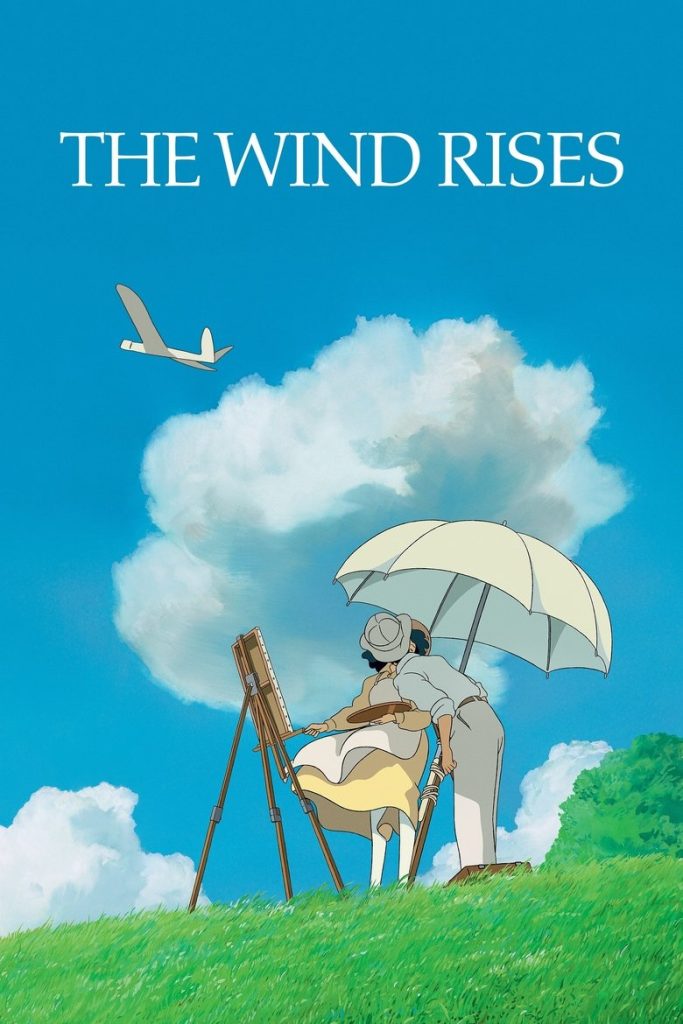
Story overview
The Wind Rises is an animated historical drama that follows the life of Jiro Horikoshi, a Japanese aviation engineer who dreams of designing beautiful airplanes. The film explores his passion for flight, his professional challenges, and his personal relationships against the backdrop of early 20th-century Japan. While celebrating creativity and perseverance, it also touches on the complex moral questions surrounding technological advancement during wartime.
Parent Guide
A thoughtful animated biography with mature themes about creativity, ethics, and historical context, best for older children and teens.
Content breakdown
Scenes of earthquakes and wartime bombings show destruction without graphic injury. Aircraft crashes are depicted with emotional impact but minimal visual detail.
Natural disaster sequences and wartime destruction may be intense for sensitive viewers. Themes of illness and loss create emotional weight.
No offensive language noted in the English version.
Romantic relationships are portrayed through emotional connection rather than physical intimacy.
No substance use depicted.
Themes of loss, moral conflict, and wartime consequences create sustained emotional depth. Characters face significant personal and professional challenges.
Parent tips
This PG-13 film contains mature themes including wartime context, natural disasters, illness, and complex ethical dilemmas about technology's role in conflict. While there's no graphic violence, the movie includes scenes of peril during earthquakes and wartime bombings, as well as emotional intensity around loss and moral conflict. The 126-minute runtime and thoughtful pacing may challenge younger viewers' attention spans.
Parents should know this isn't a typical animated adventure but rather a biographical drama with philosophical depth. The film presents nuanced perspectives on pursuing dreams while acknowledging the consequences of one's work. It's best suited for mature children who can handle historical context and abstract concepts.
Parent chat guide
Ask open-ended questions about creativity, responsibility, and how people make decisions during challenging times. Connect discussions to your family's values about innovation, peace, and ethical choices. The film provides excellent opportunities to talk about how art can present complex historical perspectives without taking sides.
Parent follow-up questions
- What was your favorite airplane in the movie?
- How did the characters show they cared about each other?
- What sounds did you hear when the planes were flying?
- What colors did you see in the sky?
- How did the movie make you feel?
- What was Jiro trying to create in the movie?
- How did nature (like earthquakes) affect the story?
- What does it mean to have a dream or passion?
- How did the characters help each other during hard times?
- What did you notice about how the airplanes were designed?
- What challenges did Jiro face in pursuing his dreams?
- How does the movie show the relationship between creativity and responsibility?
- What different perspectives on war and technology does the film present?
- How do the characters deal with loss and disappointment?
- What does the film suggest about following your passion despite obstacles?
- How does the film explore the ethical dilemmas of creating technology that can be used for harm?
- What commentary does the movie make about the relationship between beauty and function in design?
- How does the historical context shape the characters' choices and opportunities?
- What does the film suggest about the cost of pursuing ambitious dreams?
- How does the animation style contribute to the film's emotional and thematic impact?
🎭 Story Kernel
The film explores the profound tension between artistic passion and moral consequence through Jiro Horikoshi's life. It's not merely a biopic about the Zero fighter's designer, but a meditation on how pure creative dreams become entangled with real-world violence. Jiro's drive isn't patriotism or militarism—it's an artist's obsession with form and function, a desire to make something beautiful fly. The tragedy lies in his compartmentalization: he pursues aeronautical perfection while ignoring the destruction his creations will enable. His relationship with Nahoko represents the fragile beauty he wants to preserve, even as his work contributes to systems that destroy such beauty.
🎬 Visual Aesthetics
Miyazaki employs a painterly, nostalgic palette dominated by soft blues, gentle greens, and warm earth tones that romanticize pre-war Japan while subtly contrasting with the mechanical grey of aircraft. Dream sequences feature surreal, fluid transformations where planes morph into fish or skeletal structures, visualizing Jiro's subconscious conflicts. The earthquake sequence stands out with its ground literally rippling like ocean waves—a technical marvel that conveys terror through beauty. Camera work often adopts Jiro's perspective, literally and metaphorically keeping us at a designer's distance from the human consequences of his work.
🔍 Details & Easter Eggs
💡 Behind the Scenes
This was Hayao Miyazaki's final film before retirement (though he later returned), making its themes of artistic legacy particularly personal. The voice cast included Hideaki Anno (creator of Evangelion) as Jiro—a fascinating choice given Anno's own complex portrayals of mecha and trauma. Miyazaki conducted extensive research, visiting Horikoshi's actual design office and interviewing surviving Zero mechanics. The earthquake sequence required new animation techniques to create the ground's liquid-like movement. Studio Ghibli faced criticism for portraying a warplane designer sympathetically, which Miyazaki addressed by emphasizing the universal conflict between creative passion and ethical responsibility.
Where to watch
Choose region:
- HBO Max
- HBO Max Amazon Channel
- Amazon Video
- Apple TV
- Google Play Movies
- YouTube
- Fandango At Home
Trailer
Trailer playback is unavailable in your region.