
The Witcher: Nightmare of the Wolf (2021)
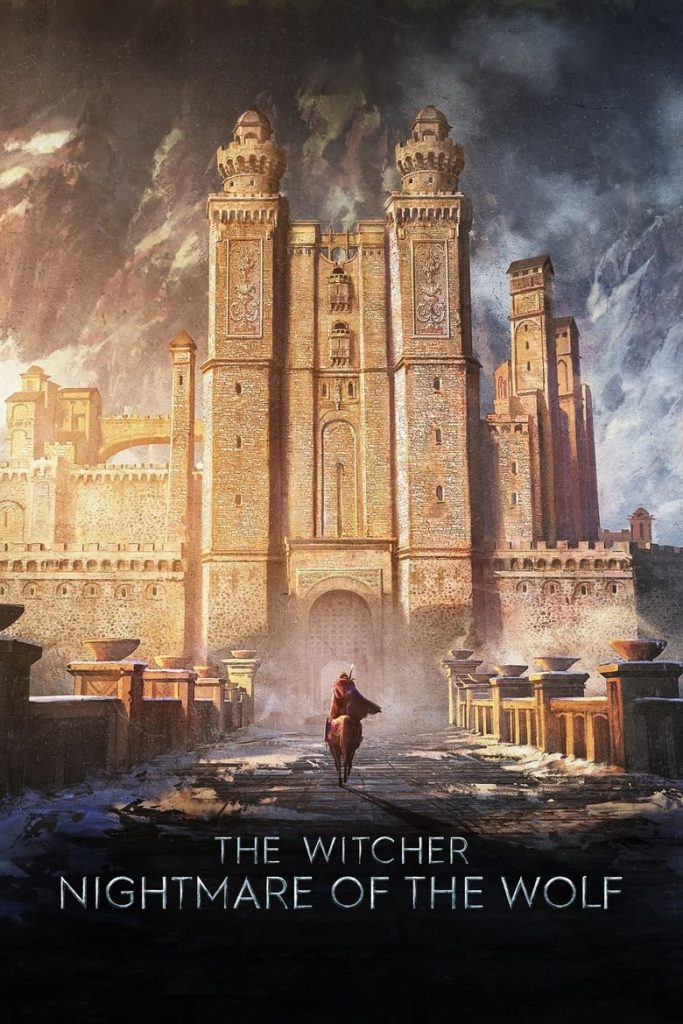
Story overview
The Witcher: Nightmare of the Wolf is an animated fantasy film following Vesemir, a monster hunter known as a witcher. As he battles creatures for money and fame, a new threat emerges that forces him to confront painful memories from his past. The story explores themes of ambition, sacrifice, and facing one's personal demons in a dark fantasy world.
Parent Guide
Mature animated fantasy with intense action and dark themes, best for older teens.
Content breakdown
Frequent fantasy violence including monster battles, sword fights, and magical combat with some blood and gore. Characters face life-threatening peril.
Monster designs and intense action sequences may be frightening. Themes of trauma and dark fantasy elements create an unsettling atmosphere.
Occasional mild fantasy-themed exclamations and threats.
No sexual content or nudity present.
Brief references to fantasy substances in tavern settings.
Themes of trauma, sacrifice, and moral conflict create emotional weight. Characters face difficult choices and confront painful memories.
Parent tips
This animated film is rated TV-MA for mature audiences due to intense fantasy violence and dark themes. While visually striking, it contains graphic monster battles, perilous situations, and themes of trauma that may be too intense for younger viewers. Parents should consider the emotional maturity of their children, as the film deals with complex moral questions and violent fantasy action.
Parent chat guide
Parent follow-up questions
- What was your favorite creature in the movie?
- How did the characters help each other?
- What colors did you see in the animation?
- Was there anything that made you feel scared?
- What would you do if you saw a friendly monster?
- Why do you think the main character became a monster hunter?
- How did the characters show bravery in the story?
- What lessons about friendship did you notice?
- How did the animation make the action scenes exciting?
- What would you do if you had to face something scary from your past?
- What does the film say about how people deal with difficult memories?
- How does the fantasy setting affect the story's messages?
- What choices did characters make that showed their values?
- How does the animation style contribute to the mood?
- What real-world situations might relate to the themes in this story?
- How does the film explore the concept of personal sacrifice versus ambition?
- What commentary does the story make about social class and opportunity?
- How do the fantasy elements serve as metaphors for real emotional struggles?
- What ethical questions does the monster hunting profession raise?
- How does the animation medium allow for different storytelling approaches than live action?
🎭 Story Kernel
The film explores how systems of power create the very monsters they claim to hunt. Vesemir's journey from impoverished youth to elite Witcher reveals how the School of the Wolf's brutal training and the Continent's political machinations breed violence rather than control it. His mentor Deglan embodies the cycle—a victim turned perpetrator who justifies cruelty as necessity. The real horror isn't the monsters, but the realization that becoming a Witcher means accepting a system that dehumanizes both hunter and hunted. The mages' betrayal and the massacre at Kaer Morhen expose how power structures sacrifice individuals for perceived greater goods, leaving survivors like Vesemir to question whether their entire identity is built on lies.
🎬 Visual Aesthetics
The animation blends traditional anime influences with Western fantasy aesthetics, creating a distinct visual language. Action sequences feature dynamic camera movements that follow the fluidity of Witcher combat—swirling around sword strikes and magical signs with cinematic weight. The color palette shifts deliberately: warm golds and browns dominate Vesemir's childhood poverty, cool blues and grays define the sterile Witcher school, while the final battle erupts in violent reds and oranges. Symbolism appears in recurring motifs—the recurring spiral staircase at Kaer Morhen representing the cyclical nature of violence, and the contrast between the mages' pristine white robes and the blood-soaked reality they create.
🔍 Details & Easter Eggs
💡 Behind the Scenes
Studio Mir, known for 'The Legend of Korra,' handled animation, bringing their signature blend of Eastern and Western styles. Voice actor Theo James prepared by studying Polish folklore elements from the original Witcher books. The film's director, Kwang Il Han, specifically requested more graphic violence than typical anime to match the Witcher universe's gritty tone. Several background designs were adapted from unused concepts for the live-action Netflix series, creating visual continuity between the projects. The musical score incorporates traditional Slavic instruments to ground the fantasy in Eastern European cultural textures.
Where to watch
Choose region:
- Netflix
- Netflix Standard with Ads
Trailer
Trailer playback is unavailable in your region.