
The Wolf of Wall Street (2013)
Story overview
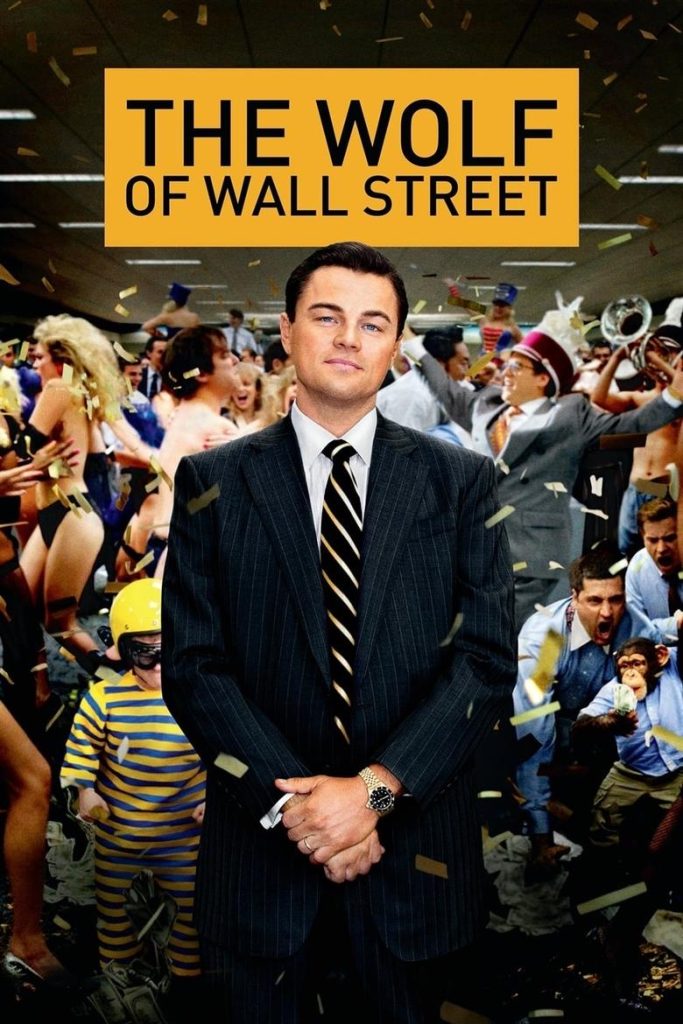
The Wolf of Wall Street is a biographical crime drama based on the true story of Jordan Belfort, a stockbroker who rose to immense wealth through fraudulent schemes in the 1990s. The film chronicles his extravagant lifestyle fueled by illegal activities, excessive partying, and substance abuse. It serves as a cautionary tale about greed, corruption, and the consequences of unethical behavior in the financial world.
Parent Guide
Extremely mature content with graphic depictions of illegal activities, substance abuse, and sexual behavior. Not suitable for children or young teens.
Content breakdown
Some physical altercations, threats, and perilous situations related to criminal activities. Includes scenes of domestic conflict and workplace aggression.
Disturbing portrayals of addiction, self-destructive behavior, and the psychological impact of greed. Some intense emotional scenes and consequences of illegal actions.
Extremely frequent strong language throughout, including profanity, sexual references, and offensive terms. Dialogue is consistently explicit.
Graphic sexual content, frequent nudity, and explicit sexual situations. Includes depictions of infidelity, orgies, and objectification of women.
Extensive portrayal of drug and alcohol abuse throughout. Shows characters using various illegal substances recreationally and addictively, often glamorizing the behavior.
High emotional intensity with extreme highs and lows, manic behavior, and consequences of unethical choices. Themes of greed, addiction, and moral decay create intense viewing experience.
Parent tips
This film is rated R for pervasive strong language, graphic sexual content, nudity, drug use, and some violence. It depicts excessive and glamorized illegal behavior that may be inappropriate for younger viewers. Parents should be aware that the movie portrays substance abuse, financial fraud, and hedonistic lifestyles in a way that might confuse or mislead impressionable audiences about real-world consequences.
Parent chat guide
Parent follow-up questions
- What did you think about how the people were acting?
- Did anyone in the movie seem happy or sad?
- What colors or sounds did you notice most?
- Was there anything that made you feel confused?
- What was your favorite part of the movie?
- Why do you think the main character made the choices he did?
- How did the characters' actions affect other people in the story?
- What messages do you think the movie was trying to share?
- Did anything in the movie seem unrealistic or exaggerated?
- What would you do differently if you were in that situation?
- What real-world consequences might follow the behaviors shown in the film?
- How does the movie portray wealth and success?
- What ethical dilemmas did the characters face?
- How might this story be different if told from another perspective?
- What lessons about honesty and integrity can we learn from this film?
- How does the film critique or comment on American capitalism and consumer culture?
- What role does peer pressure and social environment play in the characters' decisions?
- How does the movie handle the tension between entertainment and moral messaging?
- What systemic factors enabled the fraudulent behavior depicted?
- How might this story relate to current events or personal financial responsibility?
🎭 Story Kernel
The movie is less about the mechanics of financial fraud and more about the seductive power of narrative. Jordan Belfort doesn't just sell penny stocks; he sells a story of invincibility and belonging. The film's true engine is the audience's own complicity—we're invited to laugh at the excess, to be dazzled by the spectacle, and in doing so, we momentarily buy into the very fantasy it critiques. The characters are driven by a bottomless hunger for validation, using money and drugs not as ends, but as fuel for a performance where they are both star and audience. The tragedy isn't the prison sentence; it's that even after losing everything, the performance continues, because the story is all he has left.
🎬 Visual Aesthetics
Scorsese employs a hyperkinetic, cocaine-fueled visual grammar. The camera is rarely still, using whip-pans, crash zooms, and frenetic tracking shots to mirror the characters' manic energy. The color palette is aggressively saturated—blazing reds, electric blues, and gold—creating a world of artificial, candy-coated euphoria. Slow-motion is used not for grandeur, but to luxuriate in the grotesque, like the quaalude-crawling sequence. The film's visual language is one of relentless, invasive spectacle, refusing to let the audience look away from the decay, making the ugliness as compelling as the glamour.
🔍 Details & Easter Eggs
💡 Behind the Scenes
Much of Jordan Belfort's manic dialogue was improvised. Leonardo DiCaprio based his performance on a real cheetah documentary, studying the predator's focused, still intensity before a strike. The iconic 'crawling to the car' sequence on Quaaludes was largely DiCaprio's invention, developed after Scorsese challenged him to portray a 'cerebral palsy level' of impairment. The film holds the record for the most uses of the word 'fuck' in a non-documentary film. Matthew McConaughey's chest-thumping chant was his own contribution, a ritual he actually performs to ground himself before scenes.
Where to watch
Choose region:
- Netflix
- Paramount+ Amazon Channel
- Paramount+ Roku Premium Channel
- Netflix Standard with Ads
- Paramount Plus Essential
- Paramount Plus Premium
- Amazon Video
- Apple TV
- Google Play Movies
- YouTube
- Fandango At Home
- Plex
- Tubi TV
- Kanopy
Trailer
Trailer playback is unavailable in your region.