
The Women of Brewster Place (1989)
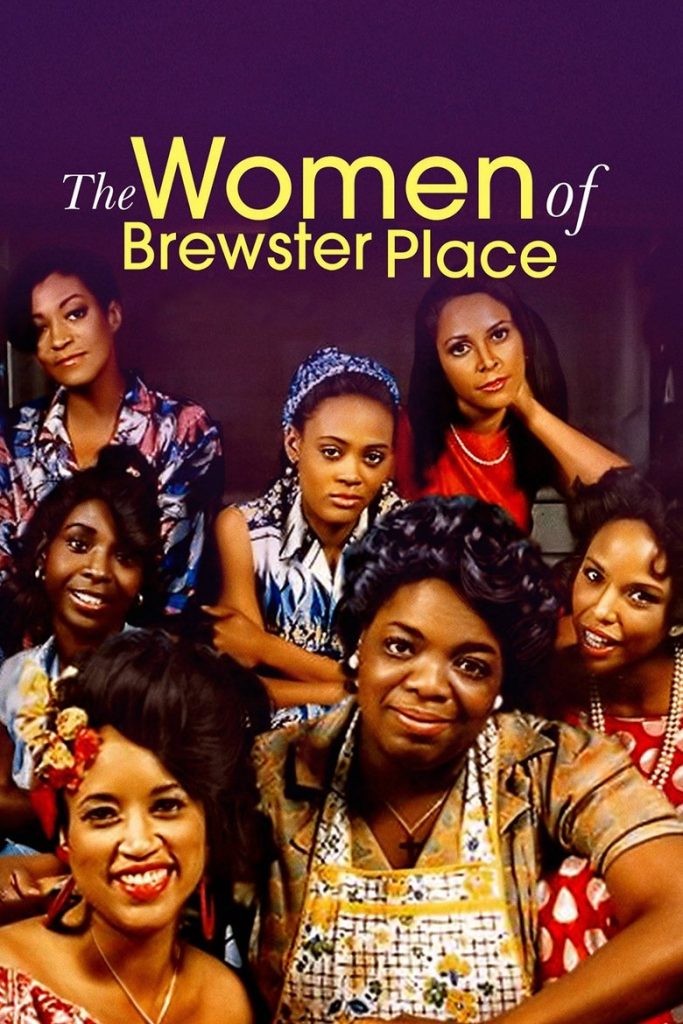
Story overview
This 1989 television miniseries adaptation of Gloria Naylor's novel follows the interconnected lives of African American women living in a rundown urban housing complex called Brewster Place. Through multiple generations, the story explores themes of resilience, sisterhood, racial discrimination, poverty, domestic violence, and the pursuit of dreams against systemic obstacles. The ensemble cast portrays complex characters navigating love, loss, friendship, and survival in a challenging environment.
Parent Guide
Mature drama with intense themes suitable for older teens. Contains discussions of domestic violence, racial injustice, and sexual assault without graphic depiction. Strong emotional content requires parental guidance.
Content breakdown
Scenes of domestic violence and implied sexual assault (not graphically shown). Characters face peril from poverty, discrimination, and abusive relationships. One character is attacked off-screen with aftermath shown.
Emotionally disturbing content including domestic abuse, racial violence references, poverty, and traumatic events. The overall tone is serious and sometimes bleak, though ultimately hopeful about human resilience.
Occasional mild profanity and racial slurs appropriate to the historical context. No frequent strong language.
Implied sexual relationships and discussions of sexuality. Brief romantic scenes without nudity or explicit content. References to sexual assault but not depicted.
Social drinking in some scenes. No prominent drug use depicted.
High emotional intensity throughout dealing with trauma, loss, discrimination, and survival. Characters experience significant hardship but demonstrate resilience. The film addresses heavy themes that may be emotionally challenging for younger viewers.
Parent tips
This mature drama deals with serious adult themes including domestic abuse, racial prejudice, poverty, and sexual assault. While there's no graphic violence or explicit content, the emotional intensity and subject matter make it most appropriate for older teens. Parents should watch first to determine readiness for their specific child. The film offers valuable discussions about African American history, women's experiences, and social justice issues.
Parent chat guide
Parent follow-up questions
—
—
- What did you notice about how the women supported each other?
- How do you think living in Brewster Place affected the characters' lives?
- How does the film portray systemic racism and its impact on the characters?
- What different forms of strength do the women demonstrate?
- How do the intergenerational relationships shape the community?
- What contemporary parallels do you see in the film's themes?
🎭 Story Kernel
The film is less about individual triumphs than about collective survival in a system designed for failure. Each woman's struggle—Mattie's eviction, Etta Mae's romantic disappointments, Kiswana's activism, Ciel's grief—reveals how institutional racism and economic oppression manifest in personal devastation. What drives them isn't ambition but preservation: of dignity, community, and hope against a backdrop of systemic neglect. The real antagonist isn't any person but the unyielding social structures that transform Brewster Place from a neighborhood into a prison of circumstance, where solidarity becomes the only viable currency.
🎬 Visual Aesthetics
The cinematography employs claustrophobic framing and muted earth tones—browns, grays, faded yellows—to visualize entrapment. Windows and doorways often appear as barriers rather than exits, with tight shots emphasizing the women's confined realities. Contrast emerges during flashbacks and fantasies, where warmer lighting briefly suggests what's been lost. The infamous wall scene uses stark, almost theatrical staging to symbolize both physical and psychological division. Visual motifs of hands—working, comforting, fighting—recur as silent testaments to labor and connection in a place that offers little reward for either.
🔍 Details & Easter Eggs
💡 Behind the Scenes
Based on Gloria Naylor's National Book Award-winning novel, the film was adapted for television in 1989 with a legendary cast including Oprah Winfrey (who also produced), Cicely Tyson, and Robin Givens. Filming occurred in Baltimore neighborhoods rather than New York, adding authentic urban texture. The production deliberately cast actors with extensive theater backgrounds to enhance the ensemble's emotional authenticity, with many scenes performed in extended takes to preserve dramatic intensity.
Where to watch
Choose region:
- Amazon Prime Video
- Peacock Premium
- Amazon Prime Video with Ads
- Peacock Premium Plus
- Fandango at Home Free
- Amazon Prime Video Free with Ads
- Tubi TV
- Amazon Video
- Apple TV Store
- Google Play Movies
- YouTube
- Fandango At Home
Trailer
Trailer playback is unavailable in your region.