
The Woodster (2026)
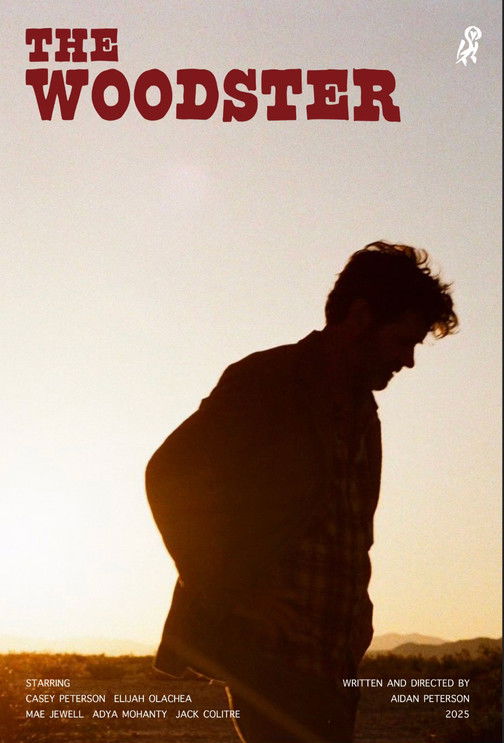
Story overview
The Woodster is a 2026 family adventure film directed by Aidan Peterson, starring Casey Peterson and Elijah Olachea. Set in a whimsical forest world, the story follows a young protagonist who discovers a magical creature called the Woodster, embarking on a journey of friendship and discovery while learning about nature and responsibility. With a runtime of 92 minutes, this lighthearted tale is designed to entertain and inspire young audiences with its imaginative setting and positive themes.
Parent Guide
A wholesome, imaginative adventure perfect for family viewing, with no concerning content and positive themes throughout.
Content breakdown
No violence or physical conflict. Mild peril involves characters getting momentarily lost or facing minor obstacles in the forest, all resolved safely.
No scary or disturbing content. The forest setting is depicted as friendly and magical, with no threatening creatures or dark themes.
No offensive language, slang, or inappropriate dialogue. All conversations are polite and age-appropriate.
No sexual content, references, or nudity. Characters are modestly dressed in typical outdoor clothing.
No depiction or reference to alcohol, drugs, tobacco, or any substance use.
Emotional tone is consistently light and positive. Brief moments of concern (e.g., a character feeling lost) are quickly resolved with reassurance and happy outcomes.
Parent tips
The Woodster is a gentle, family-friendly film suitable for most children. It contains no violence, scary scenes, or inappropriate content. The emotional tone is consistently upbeat, with mild moments of tension resolved quickly. Parents can expect positive messages about friendship, environmental awareness, and problem-solving. No language, substance use, or sexual content is present. Ideal for family viewing, especially for children aged 6-10.
Parent chat guide
Parent follow-up questions
- What was your favorite part of the movie?
- What color was the Woodster?
- Did the characters have fun in the forest?
- Why was it important to protect the Woodster's home?
- How did the friends work together to solve problems?
- What did you learn about forests from this movie?
- What real-world environmental issues does this story relate to?
- How did the characters demonstrate responsibility?
- What would you change about the story if you could?
- How does this film use fantasy to convey messages about conservation?
- What storytelling techniques made it engaging for younger audiences?
- How might this story differ if told from the Woodster's perspective?
Where to watch
Streaming availability has not been announced yet.