
The Year Earth Changed (2021)
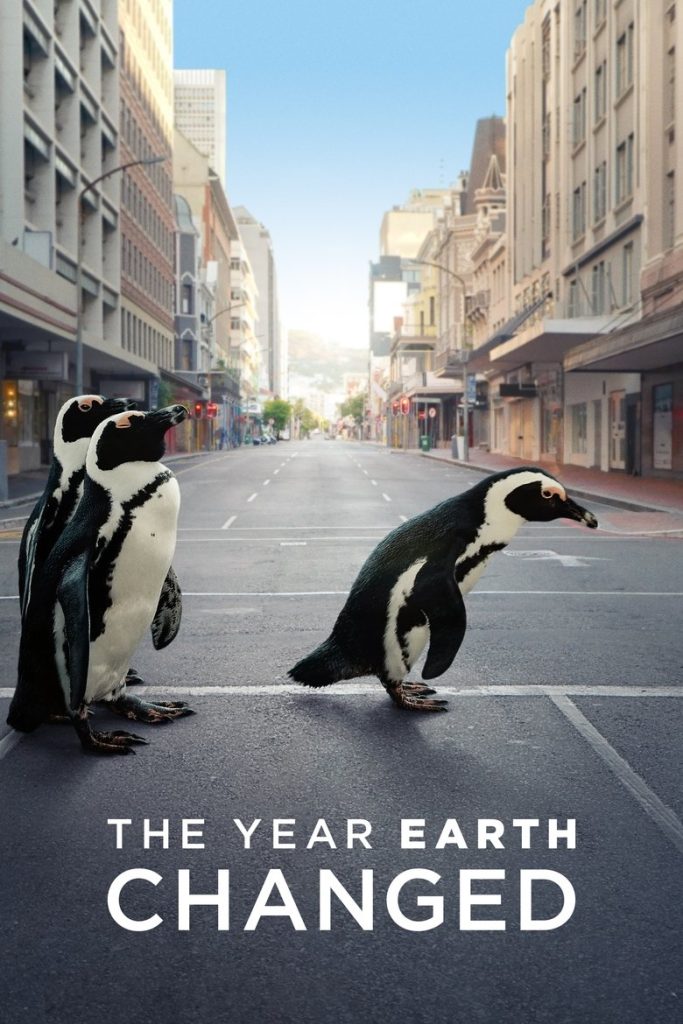
Story overview
This 2021 documentary narrated by David Attenborough explores how global lockdowns during the COVID-19 pandemic created unexpected positive effects on nature. Through stunning visual footage from around the world, the film shows how reduced human activity allowed animals to reclaim spaces, pollution levels to drop dramatically, and ecosystems to temporarily recover. The 48-minute presentation offers a hopeful perspective on humanity's relationship with the natural world.
Parent Guide
Exceptionally family-friendly documentary with no concerning content. Perfect for educational viewing and environmental awareness discussions.
Content breakdown
No violence, peril, or dangerous situations. Shows animals living naturally without human interference.
Nothing scary or disturbing. All footage is peaceful and educational. No predator-prey interactions shown.
No inappropriate language. David Attenborough's narration is educational and respectful.
No sexual content or nudity. Only shows animals in their natural habitats.
No substance use, references to drugs, alcohol, or smoking.
Mild emotional moments related to the beauty of nature and hopeful environmental messages. Some children might feel concern about environmental issues discussed, but the overall tone is positive.
Parent tips
This documentary is completely family-friendly and educational. The TV-PG rating reflects its appropriateness for all ages. There are no concerning elements - just beautiful nature footage and scientific information presented in an accessible way. Perfect for sparking conversations about environmental stewardship and our impact on the planet.
Parent chat guide
Parent follow-up questions
- What animals did you see that you liked?
- What colors did you notice in nature?
- How do you think animals felt when people stayed home?
- Why do you think animals came closer to cities when people stayed home?
- What are some ways we can help animals in our neighborhood?
- How did the air and water get cleaner during lockdown?
- What surprised you most about how nature responded to reduced human activity?
- How might we balance human needs with environmental protection?
- What long-term lessons can we learn from this temporary environmental recovery?
- What systemic changes would be needed to maintain the environmental benefits shown in the film?
- How does this documentary's message compare to other environmental media you've seen?
- What role should governments play in protecting natural spaces based on what we learned from the pandemic?
🎭 Story Kernel
The film explores how the global COVID-19 lockdowns inadvertently created a planetary experiment in human absence. It's not about wildlife 'reclaiming' territory but rather revealing what was always there, just suppressed by our constant noise and movement. The driving force isn't human characters but ecosystems themselves, showing how quickly nature recalibrates when given breathing room. This transforms from an environmental documentary into a meditation on coexistence, suggesting that small adjustments in human behavior—like changing shipping routes or beach closures—can yield dramatic ecological benefits without requiring total human withdrawal.
🎬 Visual Aesthetics
The cinematography employs striking contrasts between pre-pandemic human activity and lockdown tranquility. Aerial shots of empty cities feel both eerie and peaceful, while wildlife footage uses intimate close-ups that make animals feel like protagonists rather than subjects. The color palette shifts from the grays of urban landscapes to vibrant natural hues during animal sequences. Time-lapse photography effectively shows rapid environmental changes, while underwater scenes possess a meditative quality. The visual language avoids anthropomorphism, instead presenting animal behavior as inherently fascinating without human narrative overlay.
🔍 Details & Easter Eggs
💡 Behind the Scenes
Narrated by David Attenborough, the film was produced during 2020 lockdowns across five continents, requiring remote collaboration between filmmakers in isolation. The team used existing camera traps and drone footage initially collected for other projects, repurposing it to show pandemic contrasts. Some underwater sequences were filmed by local divers when international crews couldn't travel. The production coordinated with 160 cinematographers worldwide, often directing shots via video calls. The film's quietest urban scenes required special permits to film in normally bustling locations like Times Square and Shibuya Crossing.
Where to watch
Choose region:
- Apple TV
- Apple TV Amazon Channel
Trailer
Trailer playback is unavailable in your region.