
The Yin-Yang Master: Dream of Eternity (2020)
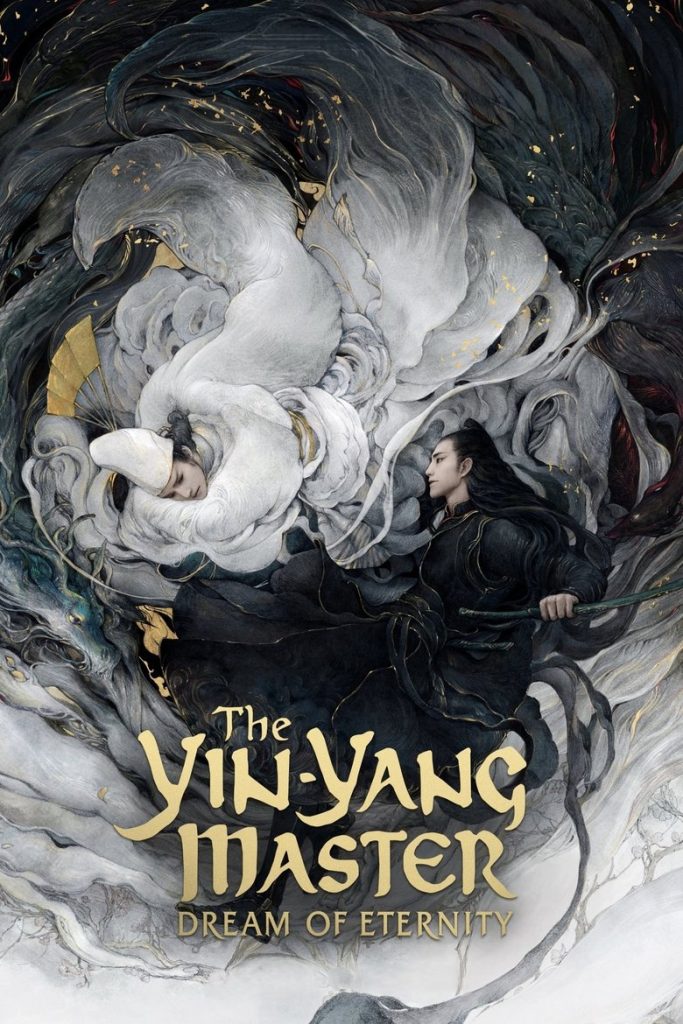
Story overview
The Yin-Yang Master: Dream of Eternity is a 2020 fantasy action film that blends Chinese mythology with supernatural elements. The story follows a yin-yang master who must navigate mystical realms and confront dark forces threatening the balance between worlds. With its PG-13 rating, it features stylized combat, magical creatures, and themes of destiny versus free will.
Parent Guide
Fantasy action film with magical combat and supernatural elements suitable for mature pre-teens and teens.
Content breakdown
Stylized fantasy violence with magical combat, characters in peril, and supernatural threats. No graphic realism.
Dark fantasy elements, supernatural creatures, and intense sequences that may frighten sensitive viewers.
Minimal strong language expected for PG-13 fantasy genre.
No significant sexual content or nudity in typical fantasy action film.
No substance use depicted in this genre film.
Themes of destiny, loss, and responsibility with some emotionally charged scenes.
Parent tips
This film contains fantasy violence with magical combat, supernatural creatures, and some intense sequences that may be frightening for younger viewers. The PG-13 rating suggests it's most suitable for teens and mature pre-teens. Parents should consider their child's sensitivity to fantasy peril and dark themes before viewing.
While not excessively graphic, the film includes scenes of characters in danger, magical battles, and some frightening imagery typical of the fantasy genre. The runtime and complex plot may challenge younger attention spans. Previewing or watching together can help parents gauge appropriateness for their family.
Parent chat guide
Explore themes of responsibility, friendship, and facing fears through the characters' journeys. For older viewers, conversations might include how the film blends traditional mythology with modern storytelling techniques. These discussions can help process any intense moments and reinforce positive messages.
Parent follow-up questions
- What was your favorite magical creature in the movie?
- How did the characters help each other?
- What colors did you see in the magical scenes?
- Was there anything that made you feel happy?
- What would you do if you had magical powers like the characters?
- What did you think about the way the characters solved problems?
- How did the movie show the difference between good and bad magic?
- What would you do if you saw something scary like in the movie?
- Which character would you want to be friends with and why?
- What lesson do you think the main character learned?
- How does the movie balance action scenes with story development?
- What do you think the film says about responsibility and power?
- How are the fantasy elements different from real life?
- Which character showed the most growth and why?
- What would you change about the story if you could?
- How effectively does the film blend mythology with modern fantasy tropes?
- What commentary does the movie make about destiny versus choice?
- How does the visual style enhance or detract from the storytelling?
- What cultural elements did you notice in the fantasy world-building?
- How does this compare to other fantasy films you've seen?
🎭 Story Kernel
At its core, 'The Yin-Yang Master: Dream of Eternity' explores the fluidity and corruption of identity. The plot is driven by characters grappling with stolen faces and borrowed lives—literally. Qingming's journey isn't about defeating an external evil, but confronting the monstrous potential within humanity itself. The serpent demon's parasitic existence through stolen identities becomes a dark mirror to the court's political machinations, where loyalty and betrayal are equally performative. The film ultimately suggests that true power lies not in mystical arts, but in accepting one's flawed, authentic self amidst a world of illusions.
🎬 Visual Aesthetics
The film employs a striking, desaturated color palette dominated by icy blues, ash grays, and muted golds, creating a world perpetually in twilight. This cold aesthetic visually reinforces the emotional isolation of the characters. The action sequences are a fascinating blend of wuxia elegance and supernatural spectacle—spells manifest as intricate, glowing calligraphy or ethereal silk threads, turning magic into a visual art form. Slow-motion is used not just for emphasis, but to dissect moments of emotional decision, like the hesitation in a character's eyes before betrayal. The serpent demon's transformations are rendered with a disturbing organic fluidity, contrasting sharply with the rigid, geometric architecture of the human palace.
🔍 Details & Easter Eggs
💡 Behind the Scenes
The film is an adaptation of the 'Onmyōji' novels by Baku Yumemakura, but takes significant creative liberties, crafting an original story within that universe. Actor Chen Kun, who plays Qingming, reportedly studied traditional Chinese puppetry to inform his character's graceful, controlled movements during spellcasting sequences. Much of the ethereal, otherworldly landscape was achieved through a combination of practical sets built at the Hengdian World Studios and extensive CGI, aiming for a painterly, ink-wash aesthetic inspired by classical Chinese art rather than pure digital spectacle.
Where to watch
Choose region:
- Netflix
- Netflix Standard with Ads
Trailer
Trailer playback is unavailable in your region.