
The Zookeeper’s Wife (2017)
Story overview
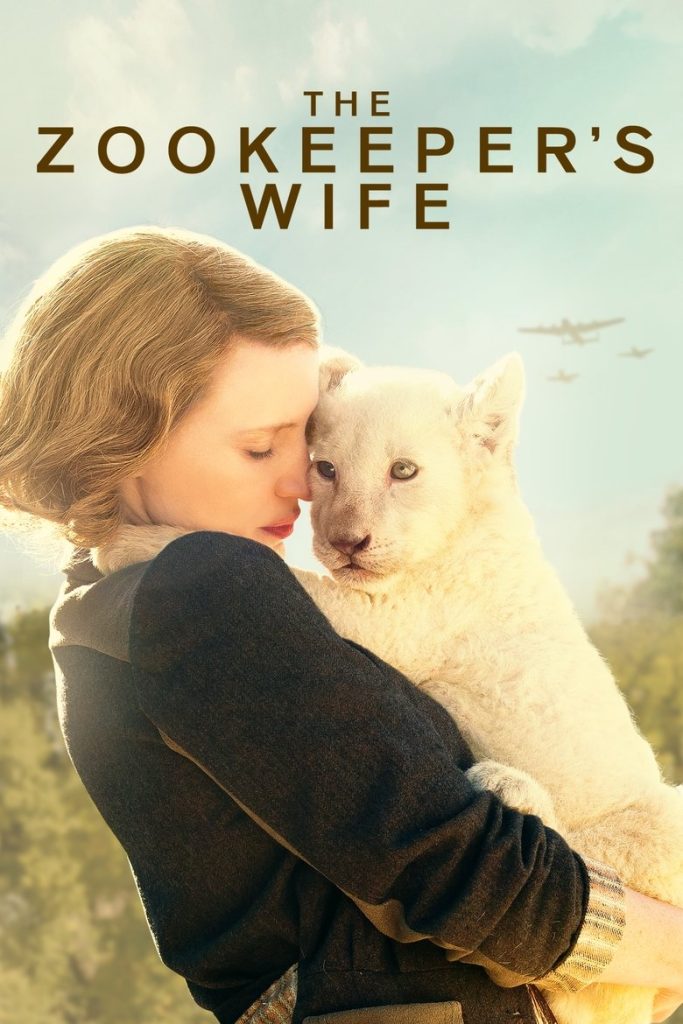
The Zookeeper's Wife is a historical drama set during World War II. It tells the true story of a Polish couple who operate the Warsaw Zoo and use it to shelter Jewish refugees from Nazi persecution. The film explores themes of courage, compassion, and resistance during a dark period in history.
Parent Guide
A historical drama about courage during WWII with mature themes suitable for older children and teens.
Content breakdown
War-related peril, Nazi occupation, tense situations, implied threats, but no graphic violence shown
Holocaust themes, discrimination, wartime danger, emotional intensity from historical events
Period-appropriate dialogue, no strong profanity
No sexual content or nudity
No substance use depicted
Strong emotional themes related to war, persecution, and courage under pressure
Parent tips
This PG-13 rated war drama contains mature themes related to the Holocaust and World War II. While not graphically violent, it depicts peril, discrimination, and tense situations that may be emotionally challenging for younger viewers. The film's historical context requires some understanding of World War II to fully appreciate the story.
Parents should be prepared to discuss the historical events portrayed, including Nazi occupation and anti-Semitism. The film shows acts of bravery and humanity amidst oppression, which can lead to meaningful conversations about moral courage and standing up against injustice.
Parent chat guide
After watching, focus discussions on the positive themes of courage, compassion, and resistance. Ask what your child found most inspiring about the characters' actions. Discuss how ordinary people can make extraordinary differences in challenging circumstances.
Parent follow-up questions
- What animals did you see in the movie?
- How did the people help each other?
- What was your favorite part of the story?
- Why were the characters hiding people in the zoo?
- What does it mean to be brave?
- How did the zookeepers protect the animals and people?
- What historical events is this movie based on?
- Why was it dangerous to help Jewish people during this time?
- What qualities made the main characters good helpers?
- How does this film portray resistance during wartime?
- What ethical dilemmas did the characters face?
- How does this true story compare to what you've learned about World War II history?
🎭 Story Kernel
At its core, 'The Zookeeper's Wife' explores the tension between domesticity and heroism, showing how ordinary compassion becomes extraordinary resistance. The Żabińskis don't set out to be heroes—they simply cannot turn away from suffering when it arrives at their doorstep. Antonina's maternal instincts extend beyond her own child to hundreds of strangers, transforming her home into a clandestine ark. The film suggests that true courage isn't dramatic confrontation but quiet persistence—maintaining normalcy while hiding Jews in plain sight, using the zoo's rhythms as camouflage. Their motivation isn't ideology but basic human decency, making their actions both more relatable and more profound.
🎬 Visual Aesthetics
The film's visual language masterfully contrasts the vibrant, sun-drenched pre-war zoo with the grim, desaturated Warsaw ghetto. Director Niki Caro uses warm golden tones for the zoo sequences—creating a Eden-like quality that makes its destruction more devastating. Camera movements are deliberately restrained, mirroring the characters' need to maintain composure under surveillance. Symbolically, animals and humans share visual parallels: both caged, both facing extermination. The recurring image of empty cages becomes haunting—first representing loss, then becoming metaphors for the hidden spaces where Jews survive. The cinematography emphasizes intimacy in close-ups during tense moments, making the audience complicit in the secrecy.
🔍 Details & Easter Eggs
💡 Behind the Scenes
Jessica Chastain studied Antonina Żabińska's actual diaries and learned to play piano for the role, performing the film's pieces herself. The production rebuilt the Warsaw Zoo on location in the Czech Republic, using historical photographs for accuracy. Director Niki Caro insisted on minimal CGI—the animal scenes feature trained creatures rather than digital effects. Interestingly, the real Antonina was also a published children's author, which informed Chastain's gentle storytelling manner with both animals and hidden children. The film's composer, Harry Gregson-Williams, incorporated traditional Polish folk melodies that subtly underscore scenes of cultural resistance.
Where to watch
Choose region:
- Netflix
- Starz Apple TV Channel
- Netflix Standard with Ads
- Amazon Video
- Apple TV
- Google Play Movies
- YouTube
- Fandango At Home
Trailer
Trailer playback is unavailable in your region.