
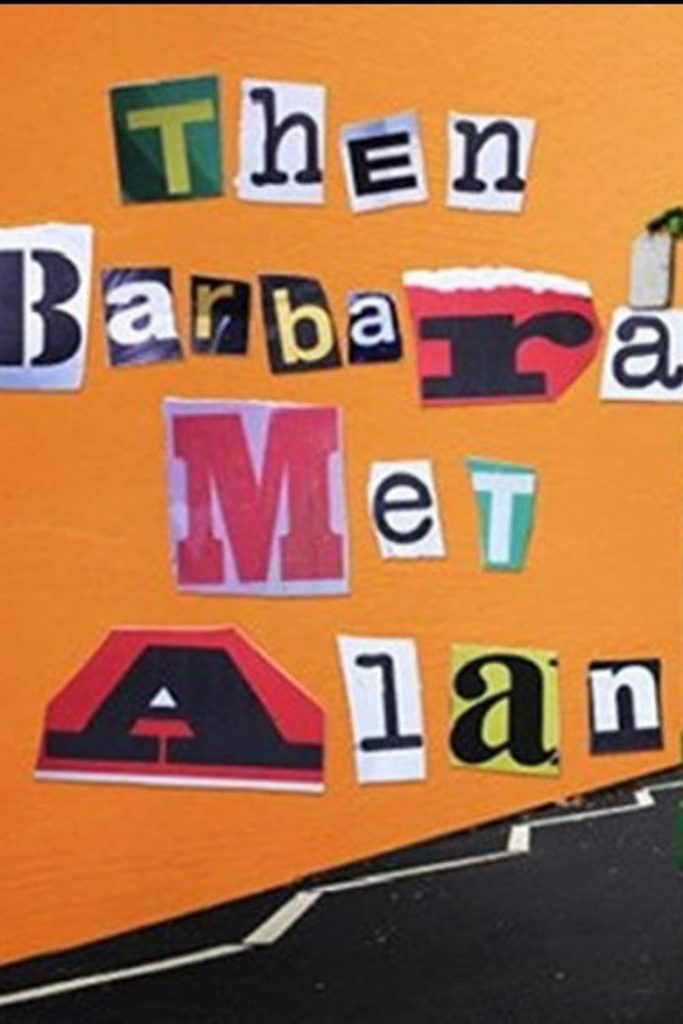
Then Barbara Met Alan (2022)
Story overview
Then Barbara Met Alan is a 2022 British drama that tells the inspiring true story of two disabled cabaret performers, Barbara and Alan, who fall in love and become key figures in the disability rights movement. Their activism through direct action campaigns plays a crucial role in the passage of the 1995 Disability Discrimination Act in the UK. The film focuses on their personal relationship, artistic expression, and determined fight for equality, offering a powerful look at love, resilience, and social change.
Parent Guide
A historically significant drama about disability rights activism, suitable for ages 8+ with its educational focus on social justice and resilience. Parents may want to preview or watch with younger children to discuss themes of discrimination.
Content breakdown
Includes non-violent protest scenes, such as activists blocking roads or chaining themselves to objects, which are portrayed calmly without physical harm. No fights, weapons, or injuries shown.
Some emotional moments depict frustration or sadness related to discrimination and societal barriers, but nothing graphic or terrifying. The tone is uplifting overall.
No profanity or offensive language noted; dialogue is respectful and focused on activism and personal relationships.
No sexual content or nudity; the romance is portrayed through emotional connection and supportive interactions, with mild affection like hugging or holding hands.
No depiction of alcohol, drugs, or smoking; characters are shown in sober, focused activist settings.
Moderate emotional themes related to overcoming adversity and fighting for rights, but handled in an inspiring, hopeful way. Suitable for most children with parental discussion.
Parent tips
This film is suitable for children ages 8 and up, with parental guidance recommended for younger viewers due to themes of discrimination and activism. It portrays historical struggles for disability rights in a respectful, educational manner. Parents should be prepared to discuss topics like social justice, disability, and non-violent protest. The film includes mild emotional intensity related to the characters' challenges, but no graphic content. It's an excellent opportunity to teach children about civil rights, empathy, and perseverance.
Parent chat guide
Parent follow-up questions
—
- What did Barbara and Alan want to change?
- How did they help each other?
- What does 'fairness' mean to you?
- Why was the Disability Discrimination Act important?
- What challenges did Barbara and Alan face as activists?
- How does the film show that love can inspire change?
- How does this film compare to other civil rights movements?
- What effective strategies did the activists use?
- How has disability rights evolved since 1995, and what work remains?
🎭 Story Kernel
At its core, 'Then Barbara Met Alan' is less about romance and more about the radical, transformative power of shared purpose born from shared oppression. The film expresses how personal disability becomes political identity when systemic barriers are the common enemy. What drives Barbara and Alan isn't just attraction, but a combustible fusion of frustration—hers channeled into strategic, organized defiance, his into raw, confrontational anger. Their relationship is the engine for the Direct Action Network, proving that the most revolutionary act can be finding someone whose pain mirrors your own and deciding to fight back together, turning private struggle into public spectacle.
🎬 Visual Aesthetics
The film employs a grounded, intimate visual language that deliberately avoids sentimentality. Handheld camerawork places us in the immediacy of protests and private moments alike, creating a documentary-like urgency. The color palette is muted and naturalistic, with bursts of vivid color reserved for the visual protest signs and the energy of the demonstrations themselves—a metaphor for how activism injects vitality into a gray, inaccessible world. Key scenes use tight close-ups on faces during strategic debates, emphasizing the intellectual and emotional labor of activism as much as the physical confrontations on the streets.
🔍 Details & Easter Eggs
💡 Behind the Scenes
The film is a BBC drama based on the true story of disabled rights activists Barbara Lisicki and Alan Holdsworth. Actors Ruth Madeley and Arthur Hughes, who both have physical disabilities, brought personal experience to their portrayals. Key protest scenes were filmed in Nottingham, standing in for 1990s London. The production consulted closely with the real-life activists and members of the Direct Action Network to authentically recreate the tactics and atmosphere of the movement, ensuring the depiction of civil disobedience was accurate and respectful.
Where to watch
Choose region:
- Netflix
- Netflix Standard with Ads
Trailer
Trailer playback is unavailable in your region.