
There’s Something Wrong with Aunt Diane (2011)
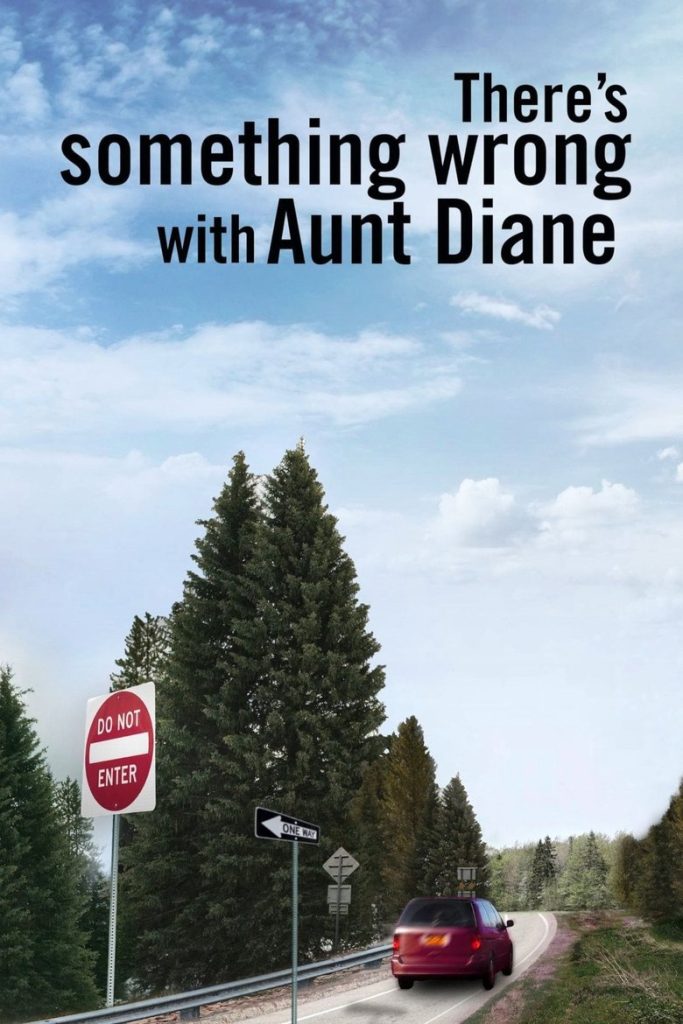
Story overview
This documentary examines the 2009 Taconic State Parkway crash, where Diane Schuler drove the wrong way while intoxicated, killing herself and seven others. Through interviews and evidence, it explores her life, the tragedy's aftermath, and the search for explanations, focusing on themes of grief, accountability, and the limits of understanding.
Parent Guide
This documentary is intense and emotionally heavy, focusing on a fatal drunk-driving accident. It includes discussions of substance abuse, graphic descriptions of the crash, and family grief. Recommended for mature viewers only, with parental guidance for teens.
Content breakdown
No visual violence, but detailed verbal descriptions of the car crash, injuries, and deaths. Includes discussions of the aftermath and legal proceedings.
Themes of sudden death, family tragedy, and unresolved mystery are deeply unsettling. Emotional distress from interviews with affected families and graphic crash details.
Occasional mild language in interviews or emotional contexts, but no strong profanity.
No sexual content or nudity.
Central theme: detailed discussion of alcohol and marijuana use leading to the accident. Includes toxicology reports and debates on substance abuse.
High emotional intensity due to real-life grief, loss, and the tragic nature of the event. Can be overwhelming for sensitive viewers.
Parent tips
This film deals with real-life tragedy, substance abuse, and graphic crash details. It's best for mature teens and adults. Watch with teens to discuss responsible choices, grief, and media portrayal of trauma. Skip if sensitive to car accidents or family crises.
Parent chat guide
Parent follow-up questions
—
—
- What does it mean to be responsible when driving or in charge of others?
- How can we show support to people who are grieving?
- How does the documentary present the facts versus emotions in the case?
- What role does substance abuse play in this tragedy, and how can we prevent similar situations?
- How do you think the media should report on such sensitive events?
🎭 Story Kernel
The film's core is not the horrific crash itself, but the frantic, desperate aftermath of explanation. It expresses the terrifying void left when a senseless act defies our narratives of cause and effect. The driving force for the family, the media, and the audience becomes the obsessive search for a 'why'—was it alcohol, marijuana, a tooth abscess, a neurological event? The characters are propelled by the unbearable weight of ambiguity, clinging to any theory, however flawed, to rebuild a shattered world where actions must have reasons. The movie is ultimately about the stories we tell to make the unthinkable survivable.
🎬 Visual Aesthetics
The visual language is one of haunting juxtaposition. Sun-drenched, shaky home videos of Diane as a vibrant, loving mother are starkly cut against the sterile, clinical visuals of the crash site and the cold, formal talking-head interviews. There is no stylized reenactment of the crash; its horror is conveyed through aftermath photos, police diagrams, and the raw, grieving faces of survivors. The color palette mirrors this divide: warm ambers and golds in the family archives versus the bleak grays and blues of the investigation. This creates a powerful, unsettling tension between the person remembered and the act committed.
🔍 Details & Easter Eggs
💡 Behind the Scenes
The documentary, directed by Liz Garbus, faced significant legal and ethical hurdles. Much of the crash scene footage and evidence was obtained through Freedom of Information Act requests after initial refusals. The family members who participated, particularly Diane's sister Jay Schuler, did so at great personal cost, reopening profound wounds. The film's title directly echoes the frantic 911 call made by a witness, a chilling piece of audio that anchors the entire narrative in real-time panic.
Where to watch
Choose region:
- HBO Max
- HBO Max Amazon Channel
Trailer
Trailer playback is unavailable in your region.