
This Is Spinal Tap (1984)
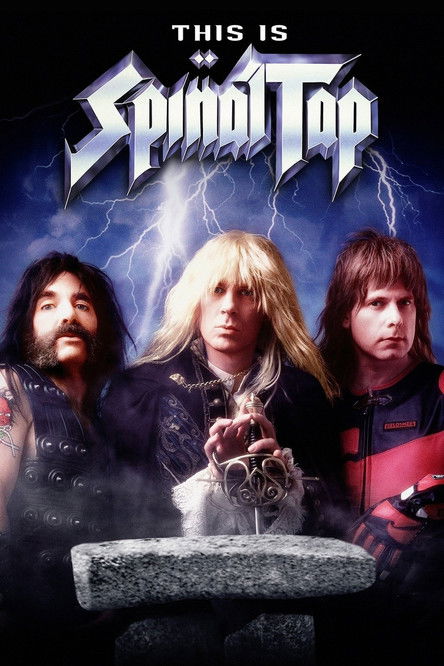
Story overview
This Is Spinal Tap is a 1984 mockumentary comedy that follows the fictional British heavy metal band Spinal Tap as they embark on a disastrous U.S. tour. The film humorously satirizes the rock music industry, band dynamics, and the absurdities of fame through interviews, concert footage, and behind-the-scenes moments. It features exaggerated characters, comedic mishaps, and witty dialogue that poke fun at rock star clichés.
Parent Guide
This mockumentary comedy contains strong language, sexual references, and drug content typical of R-rated films. While not graphically violent, it portrays the excesses of rock culture with satirical humor that requires maturity to understand. Best for older teens familiar with music industry tropes.
Content breakdown
No physical violence. Some comedic peril includes a drummer spontaneously combusting (played for laughs), equipment malfunctions, and general tour mishaps. All presented in exaggerated, humorous context.
No scary or disturbing content. The film is entirely comedic in tone, though some absurd situations (like the miniature Stonehenge prop) might confuse younger viewers.
Frequent strong language including f-words, s-words, and other profanity typical of R-rated films. Sexual references and crude humor throughout dialogue.
Sexual references, innuendo, and discussions throughout. Groupies are mentioned and shown briefly. No nudity, but sexual situations are implied and discussed comically.
Frequent references to drug use (marijuana, cocaine) and alcohol consumption typical of rock band portrayals. Shown in comedic context rather than glorified. Characters are often intoxicated.
Low emotional intensity. The film maintains a light, satirical tone throughout. Some frustration and band conflicts are played for laughs rather than drama.
Parent tips
This film is rated R primarily for strong language and sexual references. It's a satire best suited for mature teens who can appreciate its humor about rock music culture. The mockumentary style may confuse younger viewers. Parents should be aware of frequent profanity, sexual innuendo, drug references, and comedic depictions of rock star excess. The humor is clever but relies on understanding music industry tropes.
Parent chat guide
Parent follow-up questions
—
—
- What was funny about the band's problems?
- Why do you think they made a fake documentary?
- How does the film satirize rock star stereotypes?
- What does the film say about fame and the music industry?
- Why is the mockumentary format effective for this story?
- How does the humor differ from typical comedies?
🎭 Story Kernel
At its core, 'This Is Spinal Tap' explores the absurd tragedy of artistic irrelevance through the lens of rock's most clueless survivors. The film isn't really about a band's decline—it's about the human capacity for self-delusion in the face of diminishing returns. Nigel Tufnel's childlike obsession with amplifiers that 'go to eleven' and David St. Hubbins' spiritual quest for 'bigger bottoms' reveal characters who've mistaken technical minutiae for artistic evolution. Their entire American tour becomes a slow-motion car crash of ego, incompetence, and the quiet horror of realizing you're becoming a nostalgia act while still believing you're cutting edge. The film's genius lies in showing how these men maintain their dignity through complete denial of reality.
🎬 Visual Aesthetics
The film's visual language perfectly mimics the flat, unglamorous aesthetic of early-80s documentary filmmaking, which makes its absurdity land with devastating authenticity. Shaky handheld shots in cramped backstage areas and poorly lit hotel rooms create an intimate discomfort. The concert sequences use harsh, unflattering lighting that highlights the band's aging faces and thinning hair—a deliberate contrast to the mythologizing lighting of actual rock docs. Notice how the camera often lingers on empty seats during their increasingly disastrous shows, or captures the band members' confused reactions just a beat too long. The color palette shifts from the vibrant reds and blacks of their '70s flashbacks to the drab browns and beiges of their present-day decline, visually tracking their fading relevance.
🔍 Details & Easter Eggs
💡 Behind the Scenes
The film's improvisational genius emerged from Christopher Guest's and Harry Shearer's background in music—both were actual musicians who understood band dynamics intimately. Many scenes were shot in real working clubs with actual audiences who didn't know they were watching fiction. The 'Stonehenge' sequence was inspired by an actual Yes concert where the band used miniature monuments. Most dialogue was improvised from basic outlines, with Rob Reiner often filming until the actors broke character. The amp that 'goes to eleven' became such a cultural touchstone that real amplifier manufacturers later created models with eleven markings.
Where to watch
Choose region:
- HBO Max
- HBO Max Amazon Channel
- Amazon Video
- Apple TV Store
- Google Play Movies
- YouTube
- Fandango At Home
Trailer
Trailer playback is unavailable in your region.