
Three Billboards Outside Ebbing, Missouri (2017)
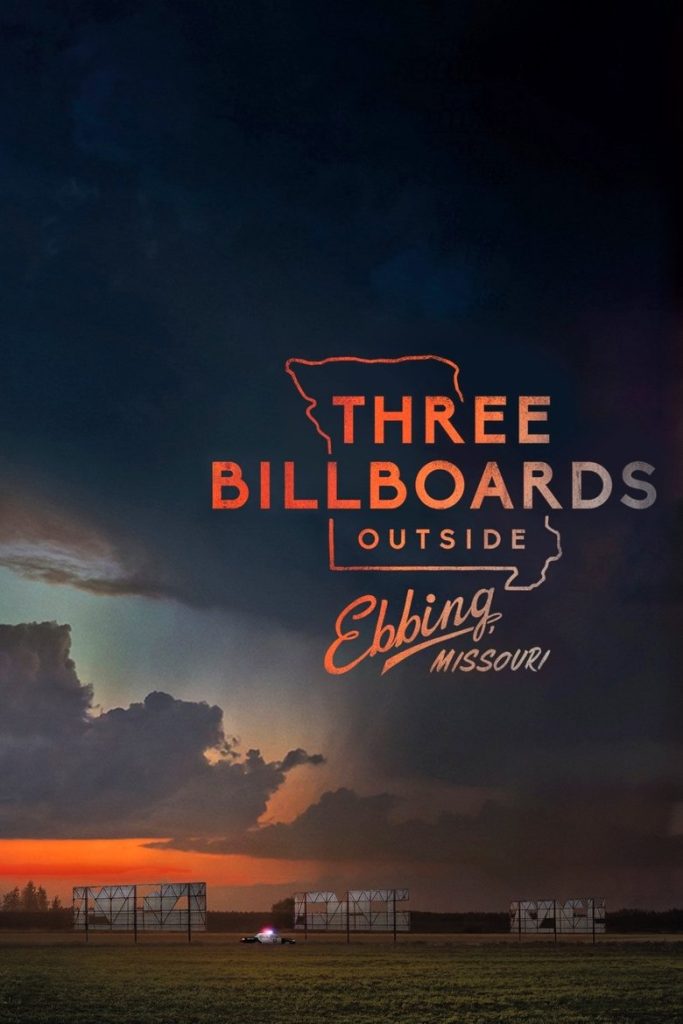
Story overview
This film follows a grieving mother who takes unconventional action to pressure local police about her daughter's unsolved murder. Her confrontational approach creates escalating tensions with law enforcement in her small town. The story explores themes of justice, grief, and community conflict through complex characters and moral ambiguity.
Parent Guide
Mature drama with strong content requiring parental guidance for older teens.
Content breakdown
Includes physical assaults, police brutality, arson, and threats of violence. Some scenes show injuries and blood.
Deals with murder, grief, and moral ambiguity. Contains intense confrontations and emotional distress.
Frequent strong profanity throughout. Includes racial slurs and offensive language.
References to sexual assault and crude sexual dialogue. Brief non-explicit sexual situations.
Characters drink alcohol regularly. Some smoking and references to drug use.
High emotional tension throughout. Explores grief, anger, and moral conflicts in depth.
Parent tips
This R-rated film contains strong language, violence, and mature themes unsuitable for younger viewers. Parents should be aware that the story deals with murder, police brutality, and intense emotional situations. The film includes characters who use racial slurs and engage in violent behavior, which could be disturbing or confusing for children.
Parent chat guide
Parent follow-up questions
- How do you think the mom felt when she was sad?
- What are good ways to tell people when we're upset?
- Who can we ask for help when something bad happens?
- Why do you think the characters were so angry with each other?
- What are better ways to solve problems than fighting?
- How can we show we care about someone without being mean?
- What does justice mean to you?
- How do grief and anger affect people's decisions?
- What responsibilities do police officers have in our community?
- How does the film explore the difference between revenge and justice?
- What systemic issues might contribute to the conflicts shown?
- How do personal biases affect how characters treat each other?
🎭 Story Kernel
The film explores how trauma transforms into rage that spreads like contagion through a community. Mildred's billboards aren't just about her daughter's murder—they're a Molotov cocktail thrown at the town's complacency. Every character is driven by guilt: Mildred's over her last words to her daughter, Dixon's over his inadequacy as a policeman, Willoughby's over leaving his family with his suicide. The real story isn't solving the crime but watching people choose between perpetuating cycles of violence or breaking them. That final ambiguous car ride asks whether redemption requires punishment or simply the courage to change direction.
🎬 Visual Aesthetics
McDonagh uses the billboards as visual anchors—their stark red against Missouri's muted landscapes creates visual tension mirroring the emotional conflict. The camera often lingers on faces during moments of violence, forcing us to witness the human cost. Notice how interiors feel claustrophobic (the police station, Mildred's home) while exteriors offer no relief—even wide shots feel oppressive. The color palette shifts from earthy browns and greens to more vivid tones as characters evolve, with Dixon's hospital scene bathed in transformative light. Fire becomes a recurring visual motif—from the billboards burning to Willoughby's letters—representing both destruction and purification.
🔍 Details & Easter Eggs
💡 Behind the Scenes
Frances McDormand optioned the script herself and fought for Martin McDonagh to direct. The billboards were real structures built in North Carolina, not CGI. Sam Rockwell based Dixon's physicality on watching bar fights in his hometown. Woody Harrelson had only three days to film all his scenes. The film's title comes from McDonagh seeing actual billboards in Texas asking about an unsolved murder.
Where to watch
Choose region:
- Amazon Video
- Apple TV
- Google Play Movies
- YouTube
- Fandango At Home
- Spectrum On Demand
Trailer
Trailer playback is unavailable in your region.