
Three Colors: Blue (1993)
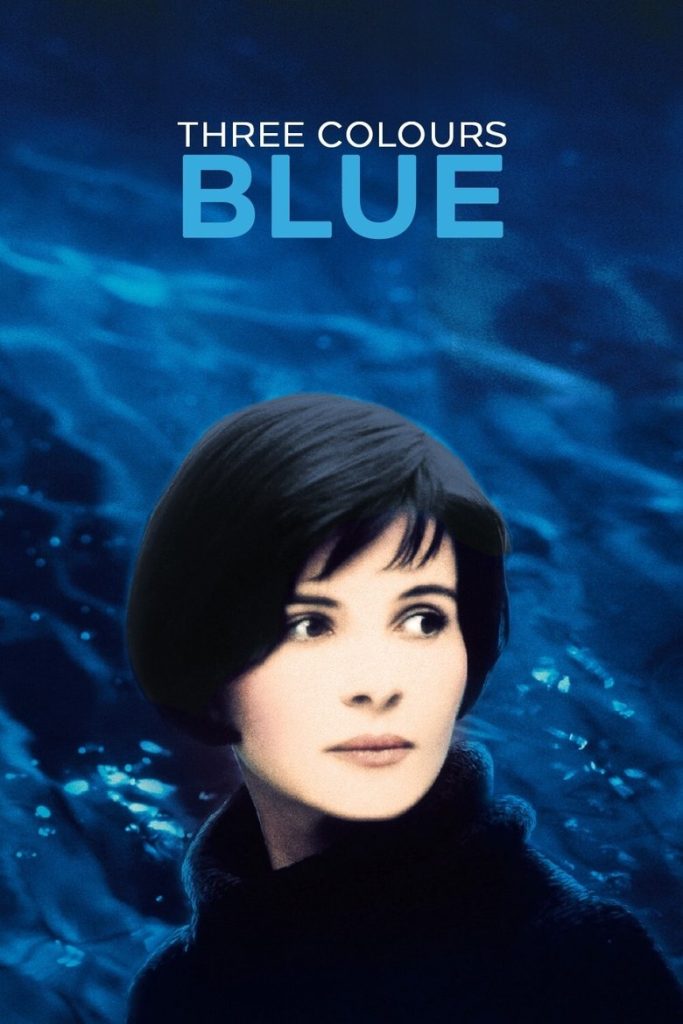
Story overview
Three Colors: Blue is a 1993 French drama film that explores themes of grief, loss, and personal liberation. The story follows a woman who loses her family in a tragic accident and must navigate her new life while confronting memories and emotional connections. Through its artistic cinematography and symbolic use of the color blue, the film examines how individuals process trauma and find meaning after profound loss.
Parent Guide
Mature drama exploring grief and emotional recovery with artistic intensity
Content breakdown
Implied tragic accident with emotional aftermath, no graphic violence shown
Themes of death, grief, and loss may be emotionally intense for some viewers
Minimal strong language, typical of dramatic films
Brief non-sexual nudity in artistic context
Social drinking shown in some scenes
Heavy themes of grief, loss, and emotional processing throughout
Parent tips
This R-rated drama deals with mature themes of grief, death, and emotional recovery that may be challenging for younger viewers. The film contains intense emotional content and some brief nudity, making it more appropriate for older teenagers and adults. Parents should be prepared to discuss themes of loss and healing with mature viewers who watch this film.
Parent chat guide
Parent follow-up questions
- What colors did you see in the movie?
- How did the music make you feel?
- What do you think the blue things meant?
- How do you think the main character felt after her loss?
- What ways did she try to remember her family?
- Why do you think blue was an important color in the movie?
- What does the movie show about dealing with grief?
- How does art help people express difficult feelings?
- What choices did the main character make about her memories?
- How does the film explore the concept of personal freedom after trauma?
- What does the movie suggest about the relationship between memory and identity?
- How does the artistic style enhance the emotional themes of the story?
🎭 Story Kernel
Krzysztof Kieślowski's 'Blue' explores freedom not as liberation but as the unbearable weight of emotional truth. Julie, after losing her husband and daughter, attempts to erase her past through radical detachment—selling possessions, moving anonymously, even throwing away her husband's unfinished concerto. Yet every attempt at freedom pulls her deeper into connection: the haunting melody that follows her, the neighbor who needs her help, the revelation of her husband's mistress. The film argues that true freedom comes not from escaping emotional bonds but from consciously choosing which ones to honor. Julie's journey from numbness to composing the concerto's completion represents accepting that grief and love are inseparable strands of human experience.
🎬 Visual Aesthetics
Kieślowski employs blue not as mere symbolism but as a sensory environment—it floods scenes through filters, pool water, candy wrappers, and lighting to create an emotional atmosphere rather than represent one. The camera often isolates Julie in frames, emphasizing her alienation, then unexpectedly pulls back to reveal connections (like the wide shot of her apartment building showing multiple lives). Sudden blackouts punctuate traumatic memories, while lingering close-ups on mundane objects—a sugar cube absorbing coffee, a chandelier's crystals—transform them into vessels of meaning. The visual rhythm mirrors Julie's internal state: controlled compositions during her attempts at control, more fluid movement as she accepts emotional flow.
🔍 Details & Easter Eggs
💡 Behind the Scenes
Juliette Binoche prepared for the role by learning to swim properly, as Kieślowski wanted authentic underwater scenes. The famous blue filter was achieved through both lighting and post-production, creating the distinctive saturated look. Composer Zbigniew Preisner created the 'Song for the Unification of Europe' concerto specifically for the film, with the melody designed to feel both incomplete and hauntingly memorable. The trilogy's colors correspond to the French Revolutionary ideals—blue for liberty, white for equality, red for fraternity—though Kieślowski insisted the connections were loose and intuitive rather than allegorical.
Where to watch
Choose region:
- HBO Max
- HBO Max Amazon Channel
- Criterion Channel
- Amazon Video
- Apple TV
- Fandango At Home
Trailer
Trailer playback is unavailable in your region.